

 English
 China
China Thailand
 Malaysia
 Vietnam
 Laos
Laos Cambodia
 Pilipinas
 Indonesia
 Russian
 Portuguese
 Arabic
 Japanese
 Spanish
 Italian
 French
 German
News
- Home
- News
- Company News
Security is a fundamental concern for both private and public properties. With the increasing need to protect assets and individuals from unauthorized access, anti climb fence fittings have become an essential component in modern security systems. This report aims to explore the importance of anti climb fence fittings, their role in enhancing security, and the various types available on the market. By understanding these elements, stakeholders can make informed decisions about the implementation of such fittings in their security infrastructure.
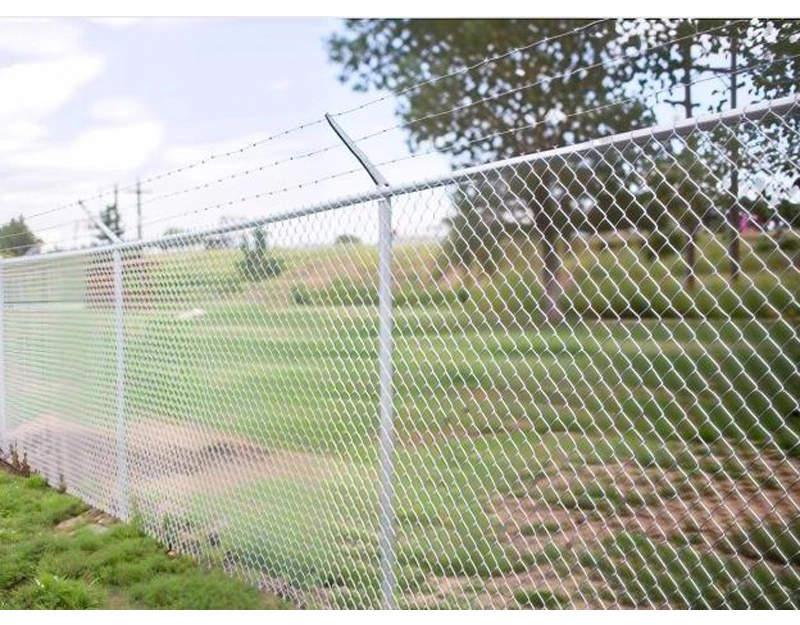
One of the primary functions of anti climb fence fittings is to act as a deterrent against potential intruders. These fittings are designed to make it extremely difficult, if not impossible, for individuals to scale or bypass the fence. The psychological impact of seeing a well-secured perimeter can be significant, often deterring would-be intruders from even attempting to breach the fence. This is particularly important for high-risk areas such as industrial sites, government facilities, and residential communities. Anti climb fence fittings, when properly installed, create a formidable barrier that significantly reduces the likelihood of unauthorized entry.
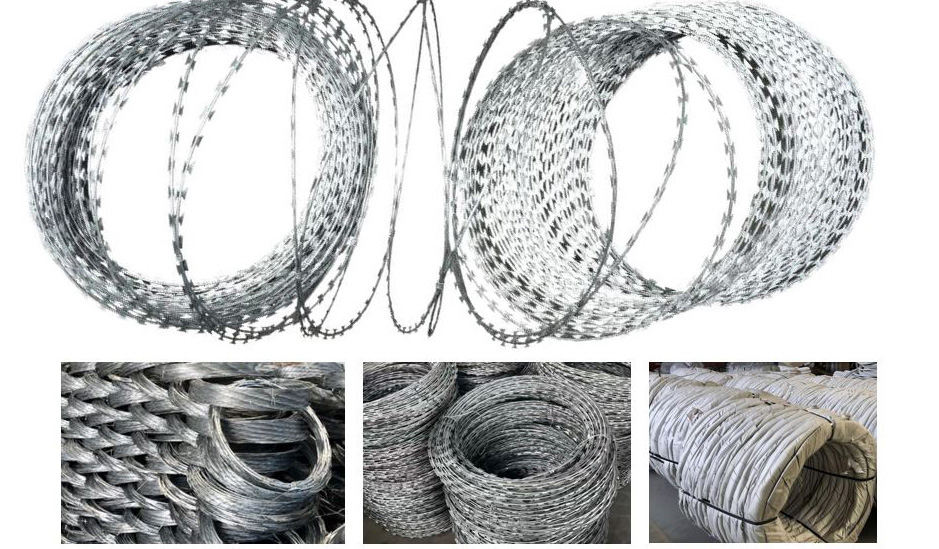
Beyond mere deterrence, anti climb fence fittings play a crucial role in enhancing the physical security of a property. These fittings are engineered to withstand forceful attempts at breaching the fence, such as climbing, cutting, or prying. Common types of anti climb fence fittings include:
By incorporating these fittings into the fence design, property owners can significantly enhance the physical security of their premises. This is especially important in areas where the risk of intrusion is high, such as correctional facilities, military bases, and critical infrastructure.
When installing anti climb fence fittings, it is essential to consider regulatory compliance and legal requirements. Many regions have specific regulations regarding the use of certain types of anti climb fittings, particularly those that could cause injury. For example, the use of anti-climb spikes may be regulated in some areas due to the potential for serious injury. It is crucial to consult local laws and guidelines to ensure that the chosen fittings comply with all relevant regulations. Additionally, property owners should consider the potential liability associated with the use of these fittings. Proper signage and warning notices can help mitigate legal risks by informing individuals of the presence of anti climb measures.
While anti climb fence fittings are a powerful tool in their own right, they are most effective when integrated with other security measures. A comprehensive security system often includes multiple layers of protection, such as surveillance cameras, motion sensors, and alarm systems. Anti climb fence fittings can be seamlessly integrated into these systems to provide a cohesive and robust security solution. For example, motion sensors can be placed along the fence line to detect any attempts to breach the perimeter, while cameras can capture visual evidence of any suspicious activity. This multi-layered approach ensures that any weaknesses in one area are compensated for by the strengths of another, creating a more secure environment overall.
Investing in anti climb fence fittings can be a cost-effective way to enhance security. While the initial installation costs may vary depending on the type and extent of the fittings, the long-term benefits often outweigh the upfront expenses. By preventing unauthorized access, these fittings can help reduce the risk of theft, vandalism, and other security breaches, which can result in significant financial losses. Additionally, the peace of mind provided by a well-secured perimeter can be invaluable for both property owners and residents. Regular maintenance and inspections can ensure that the fittings remain in good condition and continue to provide effective security for years to come.
In conclusion, anti climb fence fittings are a vital component in modern security systems. They serve as a powerful deterrent, enhance physical security, and can be integrated with other security measures to create a comprehensive and robust defense. By understanding the importance of these fittings and considering the regulatory and legal aspects, property owners can make informed decisions that will protect their assets and ensure the safety of their premises.


Leave a Reply