

 English
 China
China Thailand
 Malaysia
 Vietnam
 Laos
Laos Cambodia
 Pilipinas
 Indonesia
 Russian
 Portuguese
 Arabic
 Japanese
 Spanish
 Italian
 French
 German
News
- Home
- News
- Company News
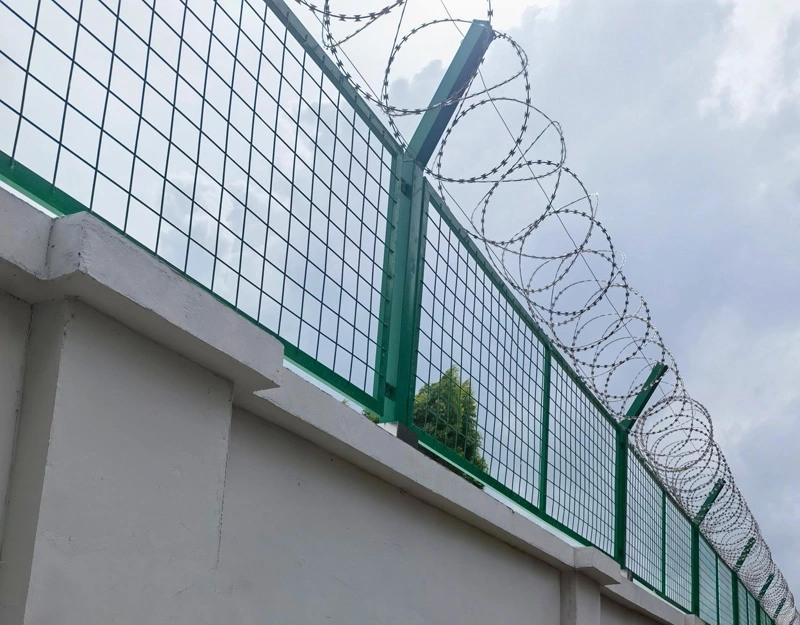
sharp edge barrier systems, often found in urban and suburban areas, play a crucial role in preventing unauthorized access to buildings and other structures. While their primary purpose is security, these barriers can also significantly impact local wildlife, affecting movement patterns, causing injuries, and even leading to fatalities. This report aims to explore the multifaceted impacts of sharp edge barriers on wildlife, highlighting the need for more wildlife-friendly alternatives.
One of the most immediate and visible impacts of sharp edge barriers on wildlife is the physical danger they present. These barriers, designed with protruding edges or spikes, are intended to deter human intruders. However, animals, particularly those that are nocturnal or have poor eyesight, may not be able to perceive the threat until it is too late. Birds, for example, may collide with the barriers while flying at night, resulting in severe injuries or death. Small mammals, such as squirrels and raccoons, may also suffer from lacerations and puncture wounds when attempting to navigate over or around these structures. The sharp edge barrier system, therefore, serves as a formidable obstacle that can lead to significant harm.
Beyond the immediate physical dangers, sharp edge barriers can disrupt the natural movement patterns of wildlife, leading to fragmentation of habitats. Many species rely on continuous corridors to move between feeding, breeding, and sheltering areas. When these corridors are interrupted by impenetrable barriers, animals may be forced to find alternative routes, which can be longer and more dangerous. This disruption can lead to increased exposure to predators, vehicular traffic, and other hazards. Additionally, the inability to access essential resources can result in reduced fitness and lower survival rates. The sharp edge barrier system, in this context, acts as a barrier to habitat connectivity, impacting the overall health and viability of wildlife populations.
The presence of sharp edge barriers can also induce psychological stress in wildlife, leading to behavioral changes. Animals that encounter these barriers may become more cautious and wary, altering their normal behavior. For instance, birds may avoid areas near buildings equipped with sharp edge barriers, leading to a reduction in biodiversity in these regions. Similarly, mammals may experience increased stress levels, which can affect their reproductive success and overall well-being. The constant fear of injury or death from these barriers can create a hostile environment, making it difficult for wildlife to thrive. The sharp edge barrier system, therefore, not only poses a physical threat but also has far-reaching psychological and behavioral implications.
Given the significant negative impacts of sharp edge barriers on wildlife, it is essential to explore and implement more wildlife-friendly alternatives. One approach is to use less harmful deterrents, such as smooth, rounded barriers that do not cause physical injury. Another option is to incorporate natural elements, such as vegetation, into the design of security systems. Plants can provide a visual and physical barrier without posing a direct threat to wildlife. Additionally, the installation of wildlife crossings, such as overpasses and underpasses, can help maintain habitat connectivity and reduce the risk of injury. By adopting these strategies, we can create a safer and more sustainable environment for both humans and wildlife.
The sharp edge barrier system, while effective in deterring human intruders, has significant and often overlooked impacts on wildlife. These barriers can cause physical injuries, disrupt movement patterns, and induce psychological stress. To mitigate these effects, it is crucial to consider and implement more wildlife-friendly alternatives. By doing so, we can ensure the coexistence of security measures and the well-being of our natural ecosystems. Further research and collaboration between ecologists, urban planners, and security experts will be essential in developing and implementing these solutions.




Leave a Reply