

 English
 China
China Thailand
 Malaysia
 Vietnam
 Laos
Laos Cambodia
 Pilipinas
 Indonesia
 Russian
 Portuguese
 Arabic
 Japanese
 Spanish
 Italian
 French
 German
News
- Home
- News
- Company News
The utilization of sharp edge barrier systems in security and deterrent strategies has become increasingly prevalent, particularly in urban environments. These systems are designed to prevent unauthorized access, protect property, and ensure public safety. This report aims to assess the effectiveness of sharp edge barriers by examining their design, implementation, and overall impact on security measures.
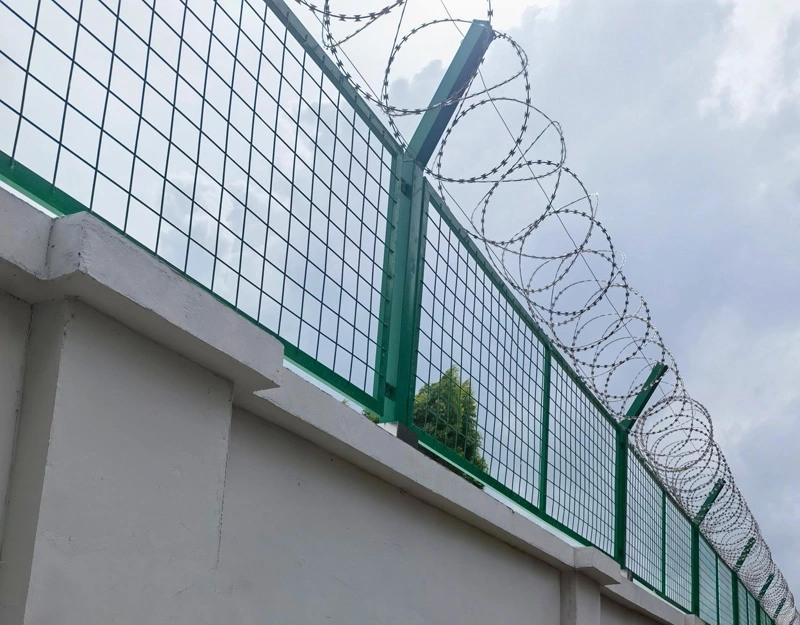
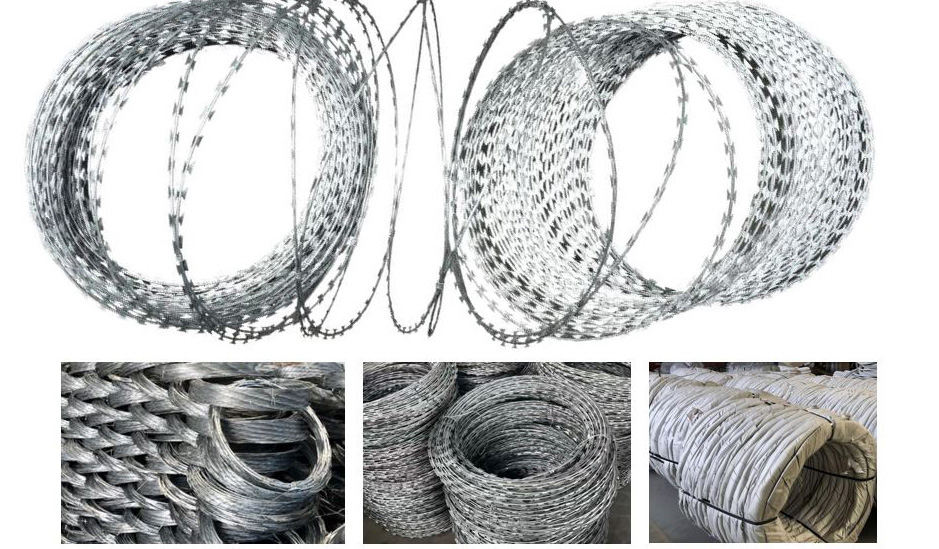
One of the primary factors that contribute to the effectiveness of a sharp edge barrier system is its design and the materials used. The design must be robust enough to withstand physical force while also being visually intimidating. Common materials include steel, which is known for its durability and resistance to corrosion, and other metals that can be shaped into sharp points or edges. The geometry of the barrier, including the angle and length of the spikes, plays a crucial role in deterring potential intruders. Additionally, the visibility of the barrier, often enhanced with reflective coatings or bright colors, serves as a psychological deterrent, making it clear that the area is protected.
Proper installation and regular maintenance are essential for the long-term effectiveness of a sharp edge barrier system. Installation should be carried out by trained professionals to ensure that the barrier is securely mounted and aligned correctly. Factors such as the height and spacing of the spikes, as well as the surface to which they are attached, must be carefully considered. Regular inspections and maintenance, including cleaning and checking for any signs of wear or damage, are necessary to ensure that the barrier remains effective. Failure to maintain the system can lead to vulnerabilities that may be exploited by determined intruders.
The primary goal of a sharp edge barrier system is to deter unauthorized access and enhance overall security. Studies have shown that the presence of such barriers significantly reduces the likelihood of attempted breaches. The physical discomfort and potential injury associated with these barriers serve as a strong deterrent, making them an effective component of a comprehensive security strategy. However, it is important to note that while sharp edge barriers can be highly effective, they should not be the sole means of protection. They work best when integrated with other security measures, such as surveillance cameras, alarm systems, and regular patrols.
The use of sharp edge barrier systems raises several ethical and legal considerations. While these barriers are designed to deter, they can also cause serious injury if someone comes into contact with them. As a result, there are regulations in many jurisdictions that govern the use of such systems. For example, some areas require that the barriers be installed at a certain height to minimize the risk of accidental injury. Additionally, there may be restrictions on the types of properties where these barriers can be used, such as residential areas. It is crucial for organizations and individuals to be aware of and comply with these regulations to avoid legal issues and ensure the ethical use of these systems.
When evaluating the effectiveness of a sharp edge barrier system, cost-effectiveness and long-term viability are important considerations. While the initial installation costs can be significant, the long-term benefits often outweigh the expenses. These barriers typically require minimal ongoing maintenance, and their durable construction ensures a long lifespan. Moreover, the reduction in security breaches and the associated costs, such as property damage and theft, can provide a substantial return on investment. However, it is important to conduct a thorough cost-benefit analysis to determine whether the installation of a sharp edge barrier system is the most cost-effective solution for a given situation.
In conclusion, the effectiveness of sharp edge barrier systems in deterrent strategies is multifaceted, encompassing design, installation, maintenance, and ethical considerations. When properly implemented and maintained, these systems can significantly enhance security and deter unauthorized access. However, they should be part of a broader, integrated security approach to maximize their effectiveness and ensure compliance with legal and ethical standards.

Leave a Reply