

 English
 China
China Thailand
 Malaysia
 Vietnam
 Laos
Laos Cambodia
 Pilipinas
 Indonesia
 Russian
 Portuguese
 Arabic
 Japanese
 Spanish
 Italian
 French
 German
News
- Home
- News
- Company News
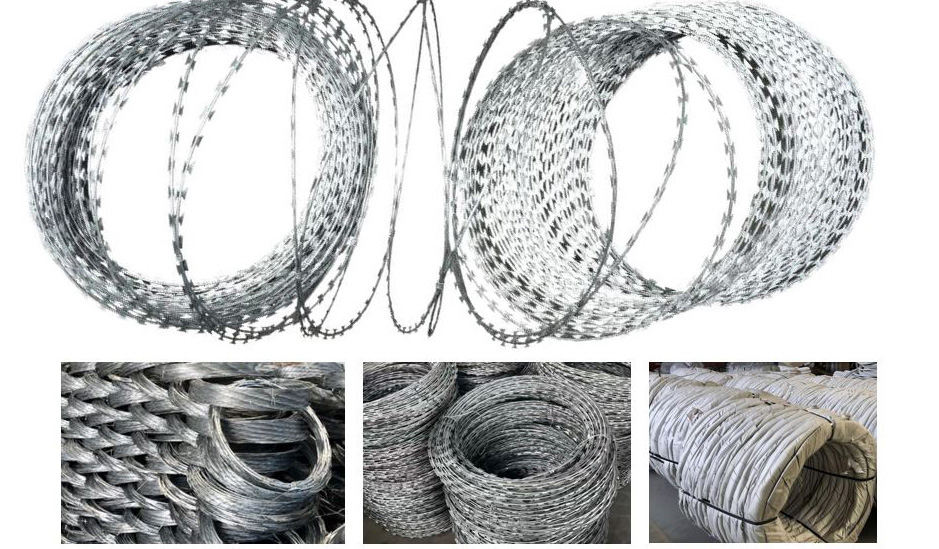
sharp edge barrier systems, also known as crash cushions or impact attenuators, have become increasingly prevalent in modern traffic safety management. These systems are designed to absorb and dissipate the kinetic energy of a vehicle during a collision, thereby reducing the severity of accidents and saving lives. This report aims to explore the benefits and drawbacks associated with sharp edge barrier systems, providing a comprehensive analysis that can help stakeholders make informed decisions about their implementation.
Over the years, there has been a significant evolution in traffic safety measures. From simple guardrails to advanced smart barriers, the goal has always been to minimize the consequences of road accidents. Sharp edge barrier systems represent a notable advancement in this field. Unlike traditional barriers, which often cause severe damage to vehicles and passengers upon impact, these systems are engineered to collapse progressively, absorbing the force of the collision more effectively. This design not only reduces the risk of injury but also minimizes vehicle damage, making them a preferred choice for many highway authorities.
One of the primary advantages of sharp edge barrier systems is their ability to enhance safety and reduce injuries. When a vehicle collides with a sharp edge barrier, the system's energy-absorbing properties come into play. The barrier is designed to deform in a controlled manner, which helps to dissipate the kinetic energy of the vehicle. This deformation process significantly reduces the g-forces experienced by the occupants, thereby lowering the risk of serious injuries. Additionally, the barrier's progressive collapse ensures that the vehicle does not rebound back into the path of oncoming traffic, further enhancing overall safety.
While the initial installation cost of sharp edge barrier systems may be higher compared to traditional barriers, they offer long-term cost-effectiveness. The reduced severity of collisions means lower medical costs and fewer insurance claims, which can offset the initial investment over time. Moreover, these systems are designed to be reusable after a collision, requiring only partial replacement of damaged components. This feature significantly reduces maintenance and replacement costs, making sharp edge barrier systems a financially viable option for road safety management.
Another important aspect to consider is the environmental impact of sharp edge barrier systems. Traditional barriers, such as concrete or steel, often require significant amounts of raw materials and energy for production, leading to a higher carbon footprint. In contrast, many modern sharp edge barrier systems are made from recycled materials and are designed to be recyclable at the end of their lifecycle. This not only reduces the environmental impact but also aligns with the growing emphasis on sustainability in infrastructure projects. Additionally, the reusability of these systems further contributes to their eco-friendliness, as it minimizes waste and resource consumption.
Despite their numerous benefits, sharp edge barrier systems are not without challenges and limitations. One of the main concerns is the need for regular inspection and maintenance to ensure their effectiveness. Any damage or wear and tear can compromise the barrier's performance, potentially leading to more severe accidents. Additionally, the installation of these systems requires specialized knowledge and equipment, which may not be readily available in all regions. This can lead to higher installation costs and logistical challenges, particularly in remote or underdeveloped areas.
Another limitation is the potential for misalignment or improper installation, which can render the barrier ineffective. Ensuring that the barrier is correctly positioned and securely anchored is crucial for its optimal performance. Furthermore, while these systems are designed to handle a wide range of collision scenarios, they may not be as effective in high-speed or high-impact collisions. In such cases, additional safety measures, such as speed reduction zones or enhanced signage, may be necessary to complement the barrier system.
In conclusion, sharp edge barrier systems offer a robust and effective solution for enhancing road safety. Their ability to reduce the severity of collisions, coupled with their cost-effectiveness and environmental benefits, makes them a valuable addition to modern traffic management. However, it is essential to address the challenges and limitations associated with these systems, including the need for regular maintenance and proper installation. By carefully considering these factors, stakeholders can maximize the benefits of sharp edge barrier systems and create safer, more sustainable roadways for all users.

Leave a Reply