

 English
 China
China Thailand
 Malaysia
 Vietnam
 Laos
Laos Cambodia
 Pilipinas
 Indonesia
 Russian
 Portuguese
 Arabic
 Japanese
 Spanish
 Italian
 French
 German
News
- Home
- News
- Company News
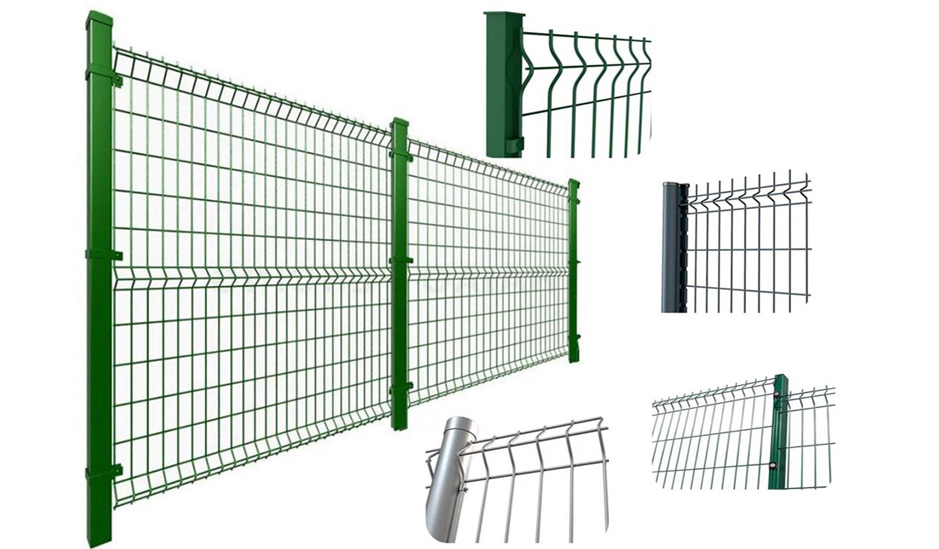
The use of welded wire grid structure in modern construction has gained significant attention due to its ability to enhance building safety. This report delves into the various aspects of welded wire grid structures, highlighting their role in improving structural integrity, fire resistance, and overall durability. By exploring these key areas, we aim to provide a comprehensive understanding of how such structures contribute to safer and more resilient buildings.
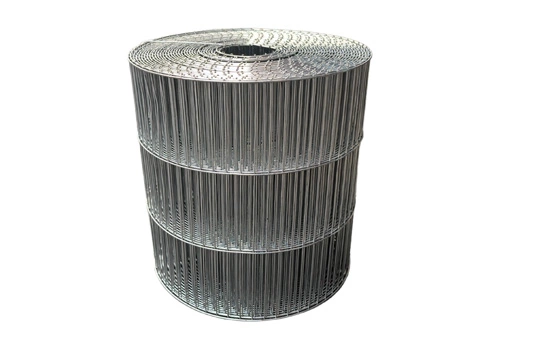
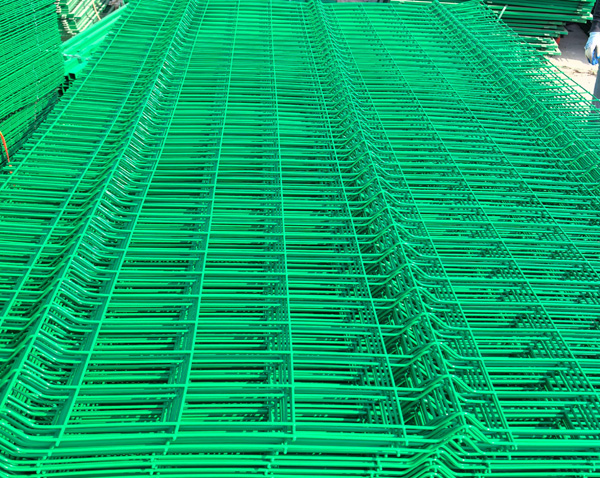
One of the primary advantages of using a welded wire grid structure is its contribution to the overall structural integrity of a building. These grids are composed of high-strength Steel Wires that are welded at each intersection, creating a robust and uniform mesh. This design not only distributes loads evenly across the structure but also provides additional reinforcement against tensile and shear stresses. The even distribution of forces helps to prevent localized failures, thereby increasing the lifespan and reliability of the building. Additionally, the use of welded wire grids can reduce the amount of concrete required for construction, leading to cost savings and a more sustainable approach to building.
Fire safety is a critical aspect of any building design, and welded wire grid structures play a crucial role in enhancing fire resistance. The high-temperature resistance of steel, combined with the open grid design, allows for better heat dissipation and reduced thermal conductivity. In the event of a fire, the welded wire grid can help to contain the spread of flames and limit the damage to the building. Furthermore, these grids can be coated with fire-resistant materials, providing an additional layer of protection. The combination of these features makes welded wire grids an excellent choice for applications where fire safety is a top priority, such as in high-rise buildings, industrial facilities, and public infrastructure.
Another significant benefit of welded wire grid structures is their ability to increase the durability and longevity of buildings. The high-strength steel used in these grids is resistant to corrosion and other forms of degradation, ensuring that the structure remains intact over time. This is particularly important in environments where exposure to moisture, chemicals, or extreme temperatures is common. The welded wire grid also provides a stable framework that can withstand natural disasters such as earthquakes and hurricanes, further enhancing the building's resilience. By incorporating these grids into the design, architects and engineers can create structures that are not only safe but also have a longer service life, reducing the need for frequent repairs and maintenance.
In conclusion, the use of welded wire grid structures in building construction offers numerous benefits that significantly enhance safety and durability. The enhanced structural integrity, improved fire resistance, and increased longevity make these grids a valuable addition to any building project. As the demand for safer and more resilient buildings continues to grow, the adoption of welded wire grid structures is likely to become even more widespread. By leveraging the unique properties of these grids, the construction industry can build a safer and more sustainable future.


Leave a Reply