

 English
 China
China Thailand
 Malaysia
 Vietnam
 Laos
Laos Cambodia
 Pilipinas
 Indonesia
 Russian
 Portuguese
 Arabic
 Japanese
 Spanish
 Italian
 French
 German
News
- Home
- News
- Company News
The construction industry is continually evolving, with new materials and techniques being developed to improve the efficiency, durability, and cost-effectiveness of structures. One such innovation is the use of welded wire grid (WWG) in place of traditional rebar. This report aims to compare the performance, installation process, and economic benefits of welded wire grid with those of conventional rebar in structural applications.
When it comes to the strength and durability of a structure, both welded wire grid and traditional rebar are designed to provide reinforcement. However, there are notable differences that can influence their effectiveness in different scenarios. Welded wire grid, due to its uniform mesh design, offers consistent spacing between wires, which ensures even distribution of stresses throughout the concrete. This uniformity can lead to improved crack control compared to rebar, where spacing and positioning can vary based on the installer's precision. Additionally, the smaller cross-sectional area of the wires in a welded wire grid allows for better bond with the concrete, potentially increasing the overall tensile strength of the composite material.
On the other hand, traditional rebar, typically made from steel, has been the go-to choice for many years because of its high tensile strength and ability to withstand significant loads. In situations requiring very high load-bearing capacities, rebar might still be preferred over welded wire grids. Yet, advancements in manufacturing technologies have enabled the production of high-strength welded wire grids that can compete effectively in terms of load capacity with standard rebar configurations. It’s crucial, therefore, to carefully evaluate project requirements before deciding on the type of reinforcement to use.
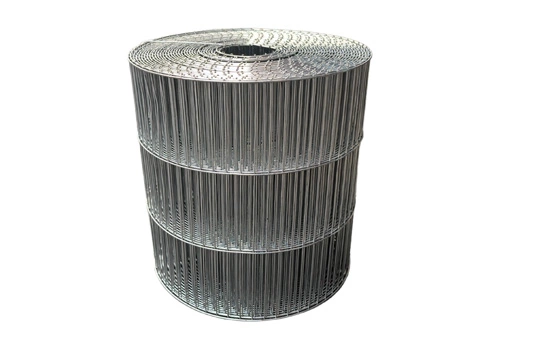
The ease and speed of installation represent another critical factor when choosing between welded wire grid and traditional rebar. A major advantage of using welded wire grid lies in its prefabricated nature, meaning that it arrives at the job site ready to be placed into position. This preassembly significantly reduces the time required for setting up the reinforcement, as well as minimizes the risk of errors during placement. Moreover, because WWG comes in large sheets or rolls, it can cover larger areas more quickly than individual bars, further enhancing productivity on-site.
In contrast, installing traditional rebar often involves cutting, bending, and tying individual pieces together, which can be labor-intensive and time-consuming. While experienced workers can efficiently handle these tasks, the process remains inherently more complex and prone to human error. For projects with tight deadlines or limited manpower, the simplicity offered by welded wire grid could prove invaluable, allowing for faster completion times without compromising on quality.
Cost is always a key consideration in any construction project, and this is no less true when comparing welded wire grid against traditional rebar. Initially, the cost per unit volume of steel may seem similar for both options; however, several factors contribute to making welded wire grid a potentially more economical choice. Firstly, the reduced labor costs associated with quicker and easier installation directly translate into savings. Secondly, fewer raw materials are wasted during the installation of WWG, as it is manufactured to precise specifications, thereby minimizing excess material that would otherwise end up as scrap.
Furthermore, the longevity and maintenance aspects also favor welded wire grid. Due to its superior corrosion resistance, especially when galvanized or coated, WWG tends to last longer under harsh environmental conditions. This extended lifespan not only means lower replacement costs but also enhances the sustainability profile of the building, aligning with modern green building standards. Traditional rebar, while robust, may require additional protective measures, such as epoxy coatings, to achieve comparable levels of protection, adding to the overall expense.
In conclusion, while both welded wire grid and traditional rebar serve vital roles in reinforcing concrete structures, each presents distinct advantages and disadvantages. The selection should ultimately depend on specific project needs, including required strength, ease of installation, and budget constraints. As the construction industry continues to advance, it is likely that we will see further innovations in both types of reinforcement, ensuring they remain relevant and effective solutions for future challenges.



Leave a Reply