

 English
 China
China Thailand
 Malaysia
 Vietnam
 Laos
Laos Cambodia
 Pilipinas
 Indonesia
 Russian
 Portuguese
 Arabic
 Japanese
 Spanish
 Italian
 French
 German
News
- Home
- News
- Company News
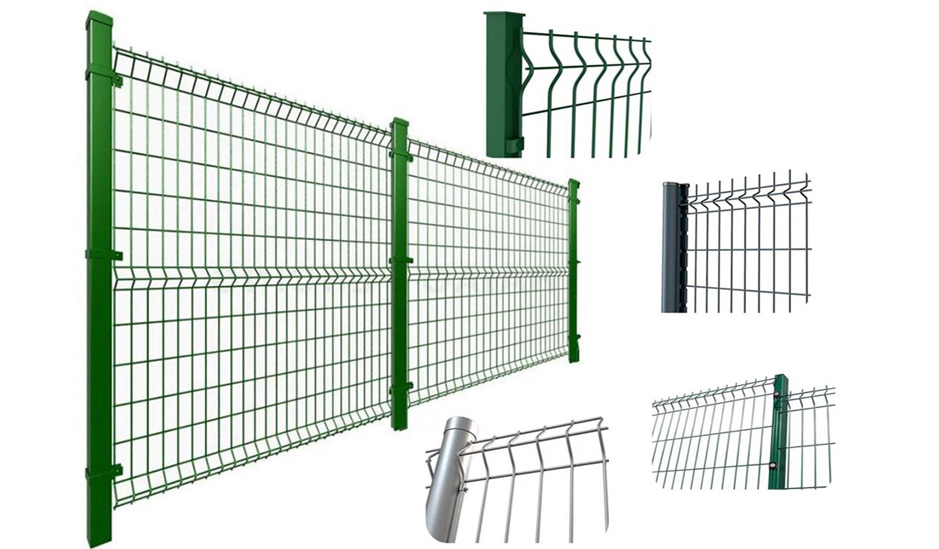
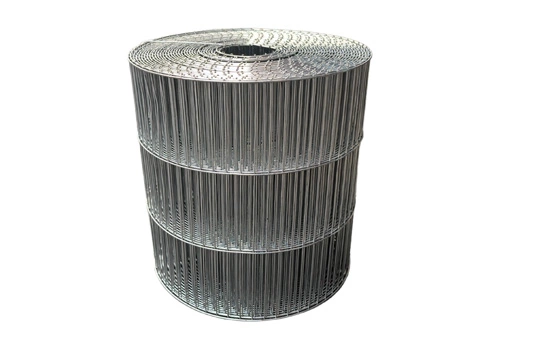
Welded wire grid, also known as welded wire fabric (WWF), is a versatile material that has found its way into numerous applications within the modern construction industry. This report aims to explore the various uses and benefits of welded wire grid structure in contemporary building practices, highlighting its role in enhancing structural integrity, reducing costs, and improving overall project efficiency.
One of the most significant advantages of using welded wire grids in construction is their ability to significantly enhance the structural integrity of buildings. The welded wire grid structure is designed with intersecting wires that are permanently joined at each crosspoint, creating a robust framework that can distribute loads more evenly across surfaces. This characteristic makes it particularly suitable for use in concrete slabs, walls, and floors, where it serves as a reinforcement mechanism, providing tensile strength to counteract the compressive forces exerted by the concrete. Moreover, the uniform spacing between the wires ensures consistent reinforcement, which is crucial for maintaining the long-term stability and durability of structures. In addition to its primary function as a reinforcement, the grid also acts as a crack-arresting mechanism, preventing small cracks from propagating and potentially causing larger, more serious damage over time. This not only improves the safety and longevity of the building but also reduces maintenance costs associated with repairs.
Another key benefit of employing welded wire grid structure in construction projects is its cost-effectiveness. Compared to traditional rebar, which requires extensive labor for cutting, bending, and tying, welded wire grids arrive at the site ready to install, thereby significantly reducing on-site preparation time and labor costs. Furthermore, the pre-fabricated nature of these grids means that they are manufactured under controlled conditions, ensuring high-quality standards and consistency, which might be difficult to achieve with manually placed rebar. Additionally, the reduced need for skilled labor and the faster installation process contribute to an overall reduction in construction timelines, allowing for quicker project completion and earlier occupancy or use of the building. The financial savings achieved through the use of welded wire grids can then be allocated to other aspects of the project, such as incorporating higher quality materials or advanced technologies, thus further enhancing the final product's value and appeal.
As the world increasingly focuses on sustainability, the choice of materials used in construction plays a critical role in reducing the environmental impact of buildings. Welded wire grid structure offers several environmental benefits. Firstly, the manufacturing process of welded wire grids is generally more energy-efficient compared to the production of conventional steel bars, leading to lower carbon emissions. Secondly, due to the precise control over the dimensions and spacing during the manufacturing process, there is minimal waste generated, both in terms of raw materials and at the construction site. This not only contributes to a cleaner environment but also aligns with green building standards and certifications, such as LEED (Leadership in Energy and Environmental Design). Lastly, the lighter weight of welded wire grids, relative to equivalent reinforcing systems, means that less energy is required for transportation, further decreasing the carbon footprint of the construction process. By choosing welded wire grids, builders and developers can make a positive contribution to environmental conservation while still achieving the necessary structural requirements for their projects.
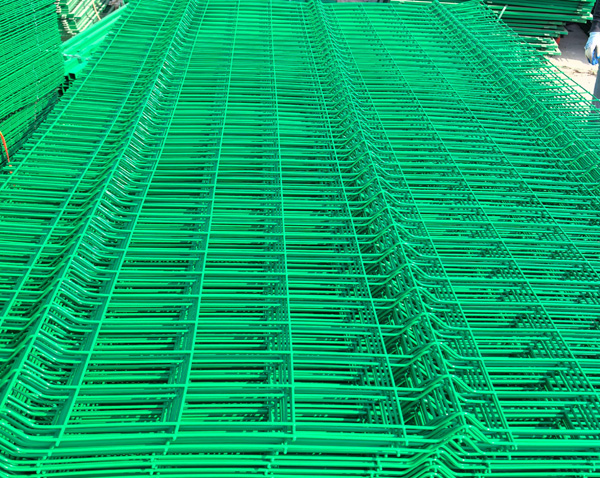
Worksite safety is a paramount concern in any construction project, and the use of welded wire grid structure can play a significant role in enhancing this aspect. Traditional rebar often poses risks to workers due to its sharp edges and the need for manual handling, which can lead to injuries if not managed properly. On the other hand, welded wire grids are typically supplied in large, flat sheets, making them easier and safer to handle. The elimination of the need for on-site cutting and shaping of individual bars reduces the risk of accidents and injuries, thereby improving overall worksite safety. Additionally, the ease of installation and the reduced amount of time spent on reinforcement work mean that workers can focus on other critical tasks, leading to increased productivity and efficiency. Improved safety and productivity not only benefit the workers directly involved in the construction process but also have a positive impact on the overall project timeline and budget, as fewer delays and interruptions occur.
The versatility of welded wire grid structure extends beyond its structural and economic benefits; it also provides designers and engineers with greater flexibility and adaptability in creating innovative and efficient building designs. The ability to customize the grid size, wire diameter, and spacing allows for tailored solutions that meet specific project requirements. For example, in areas prone to seismic activity, a denser grid pattern can be employed to provide additional reinforcement against potential ground movements. Similarly, in regions with high wind loads, the use of welded wire grids in conjunction with other structural elements can help to create more resilient and stable buildings. This adaptability is particularly valuable in complex or unconventional architectural designs, where traditional reinforcement methods may prove challenging or impractical. By offering a wide range of customization options, welded wire grids enable architects and engineers to push the boundaries of design, creating structures that are not only aesthetically pleasing but also structurally sound and functional.
In conclusion, the welded wire grid structure has emerged as a highly effective and versatile solution in modern construction. Its ability to enhance structural integrity, reduce costs, improve worksite safety, and offer flexible design options makes it an invaluable component in a wide array of building projects. As the construction industry continues to evolve, the adoption of welded wire grids is likely to increase, driven by the growing demand for more efficient, sustainable, and innovative building solutions.

Leave a Reply