

 English
 China
China Thailand
 Malaysia
 Vietnam
 Laos
Laos Cambodia
 Pilipinas
 Indonesia
 Russian
 Portuguese
 Arabic
 Japanese
 Spanish
 Italian
 French
 German
News
- Home
- News
- Company News
When it comes to choosing the right fencing for a property, understanding the benefits and drawbacks of different fencing material types is crucial. This decision not only affects the aesthetic appeal but also the security, maintenance, and overall cost-effectiveness of the project. In this report, we will explore various fencing materials, their characteristics, and how they can meet diverse needs.
Wooden fences have long been a popular choice due to their natural beauty and versatility in design. They can be customized to fit almost any style or architectural need, making them an excellent option for homeowners who value aesthetics. However, one of the primary drawbacks of wood fencing is its susceptibility to weathering, rot, and insect damage. Regular maintenance, such as staining or painting, is necessary to prolong the life of the fence. Additionally, while initial costs may seem lower compared to other materials, ongoing upkeep expenses can add up over time. For those willing to invest in regular care, wood provides a classic look that enhances both privacy and curb appeal.
Vinyl has become increasingly popular as a fencing material type due to its durability and low maintenance requirements. Unlike wood, vinyl does not rot, warp, or attract insects, which significantly reduces the need for repairs and replacements. It’s also resistant to moisture and UV rays, maintaining its appearance without fading or discoloration. The installation process for vinyl fencing is relatively straightforward, often requiring less labor than traditional wood fences. On the downside, vinyl fences can be more expensive upfront, and although they come in several colors, customization options are limited compared to wood. Moreover, while durable, vinyl might not offer the same level of strength against high winds or severe impacts as some other materials.
Aluminum fencing stands out for its combination of elegance and security. It offers a sleek, modern appearance that complements a wide range of architectural styles. One of the key advantages of aluminum is its resistance to rust and corrosion, making it particularly suitable for coastal areas or regions with high humidity. Aluminum fences are lightweight yet strong, providing good security without blocking views, which is beneficial for properties where visibility is important. Installation is generally quick and easy, and because aluminum is highly recyclable, it’s considered an eco-friendly choice. Despite these benefits, aluminum fencing can be more costly than other options, and while it’s strong, it may not provide the same level of privacy as solid materials like wood or vinyl. Additionally, the open design means that it may not be the best choice for those seeking complete seclusion.
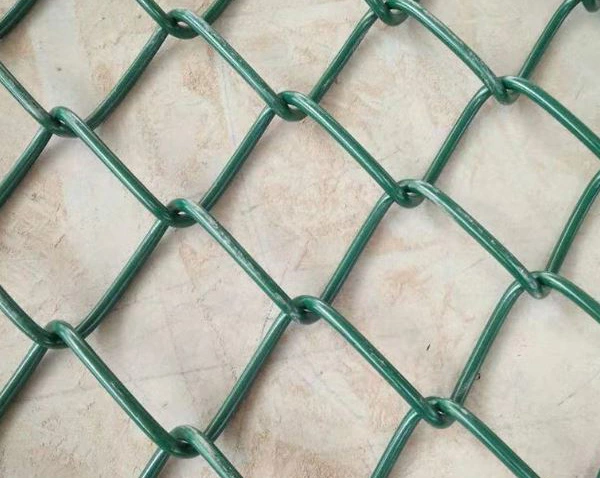
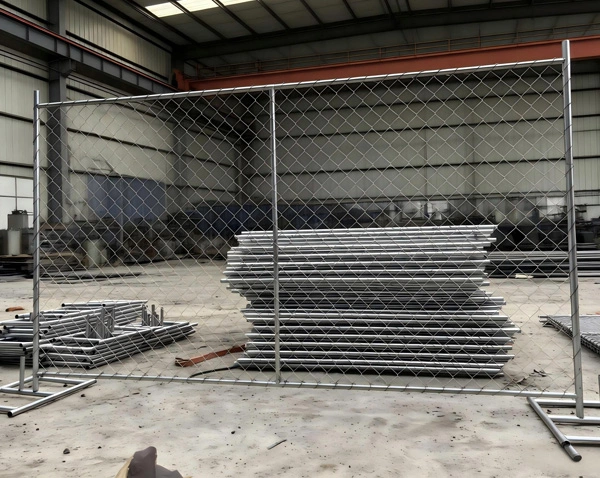
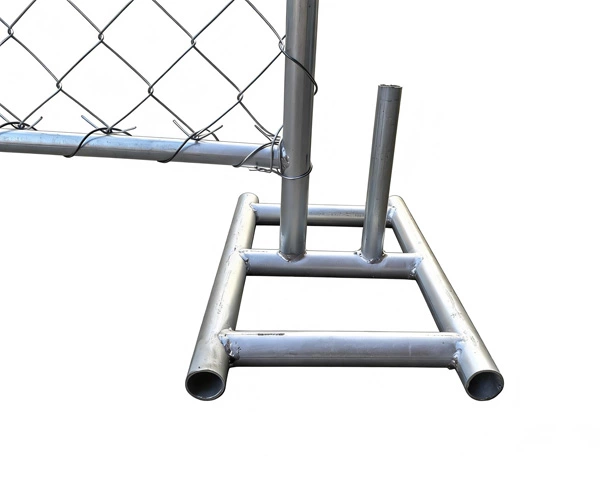
Chain link fencing is a common choice for both residential and commercial properties, primarily due to its affordability and ease of installation. It is made from galvanized steel wire, which makes it extremely durable and resistant to rust and corrosion. chain link fences require minimal maintenance, and they can last for decades with proper care. They are also versatile, allowing for various heights and configurations to suit different needs. However, chain link fencing is not the most visually appealing option, and it offers little in terms of privacy. While it can be enhanced with slats or privacy screens, these additions increase the cost and may reduce the simplicity of the original design. For those prioritizing function over form, chain link remains a practical and cost-effective solution.
Composite fencing, made from a mixture of wood fibers and recycled plastic, combines the best features of wood and vinyl. It offers a natural, wood-like appearance but with the added benefit of being more resistant to rot, decay, and insect infestation. Composite fences require very little maintenance, typically needing only occasional cleaning to keep them looking new. They are also environmentally friendly, as they utilize recycled materials. However, composite fencing can be quite expensive, and while it is durable, it may not withstand extreme weather conditions as well as some other materials. Additionally, the color and texture options are somewhat limited, and the initial investment can be higher than for traditional wood or vinyl fences.
In conclusion, selecting the appropriate fencing material types depends on a variety of factors, including budget, maintenance preferences, and desired aesthetic. Each material—wood, vinyl, aluminum, chain link, and composite—offers unique benefits and drawbacks. By carefully considering these aspects, homeowners and property managers can make an informed decision that best meets their specific needs and enhances the overall value of their property.
Leave a Reply