

 English
 China
China Thailand
 Malaysia
 Vietnam
 Laos
Laos Cambodia
 Pilipinas
 Indonesia
 Russian
 Portuguese
 Arabic
 Japanese
 Spanish
 Italian
 French
 German
News
- Home
- News
- Company News
Understanding the durability of fencing materials is crucial for anyone planning to install a new fence or replace an existing one. The choice of material not only affects the aesthetic appeal and functionality but also the long-term cost and maintenance requirements. This report explores various fencing material types, evaluating their durability, advantages, and limitations, to help stakeholders make informed decisions.
Durability is a key factor when selecting fencing materials because it directly impacts how well the fence will withstand environmental conditions over time. A durable fence can resist damage from weather, pests, and physical stress, reducing the need for frequent repairs or replacements. In this section, we discuss why focusing on durability is essential and how different factors such as climate, local wildlife, and human activities influence the lifespan of fencing materials.
Wood has been a popular choice for fencing due to its natural beauty and versatility. It can be painted or stained to complement any architectural style, making it a favorite among homeowners. However, the durability of wood fences varies widely based on the type of wood used, treatment processes, and maintenance practices. Cedar and redwood, for instance, are known for their natural resistance to decay and insects, whereas pine may require more frequent treatments to maintain its integrity. Regular sealing and staining can significantly extend the life of wooden fences, although they remain susceptible to rot, warping, and pest infestations if not properly cared for. Despite these challenges, wood offers a classic look that many find appealing, and with proper care, can last 15-30 years.
Vinyl fencing has gained popularity as a low-maintenance option that does not sacrifice aesthetics. Made from polyvinyl chloride (PVC), vinyl fences come in a variety of styles and colors, mimicking the appearance of wood without the associated upkeep. One of the primary advantages of vinyl is its resistance to moisture, which means it won't rot, warp, or splinter. Additionally, it's impervious to insect damage and requires no painting or staining. While vinyl fences are generally more expensive than wood, their longevity and minimal maintenance can lead to cost savings over time. Under normal conditions, a vinyl fence can last 20-30 years, though exposure to extreme temperatures and direct sunlight can cause some discoloration and brittleness. Nonetheless, for those prioritizing ease of care and a clean, modern look, vinyl presents an excellent choice.
Aluminum fencing is another durable option that combines strength with a sleek design. Unlike traditional wrought iron, aluminum doesn't rust, making it particularly suitable for areas with high humidity or saltwater exposure. Its lightweight nature makes installation easier, while still providing robust security. Aluminum fences are often powder-coated, giving them a smooth finish that resists chipping, fading, and scratching. They are available in a range of styles, from ornamental designs to simple pickets, allowing for customization to fit specific needs. Although initial costs can be higher compared to some other materials, the longevity of aluminum—often lasting 25-30 years with little maintenance—makes it a worthwhile investment for many. Moreover, aluminum is recyclable, adding an environmentally friendly aspect to its appeal.
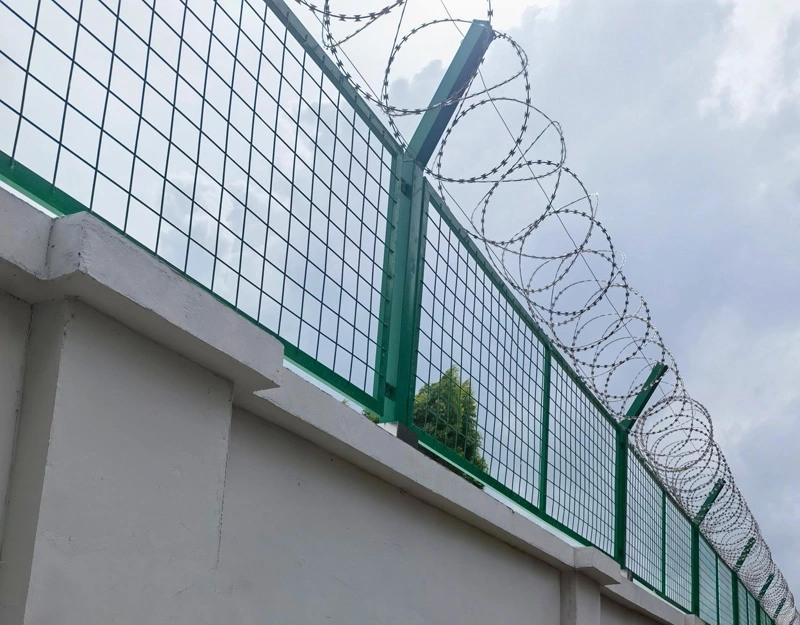
For applications where security is paramount, steel fencing stands out as a highly durable and robust solution. Steel, especially galvanized or stainless steel, provides exceptional resistance against corrosion, ensuring the fence remains intact even under harsh conditions. These fences are commonly used in industrial settings, residential areas requiring enhanced security, and public spaces. While steel is heavier and more challenging to install than aluminum, its durability and ability to withstand physical impact make it ideal for high-security needs. With regular maintenance, including periodic repainting to prevent rust, a steel fence can last 20-25 years. For those willing to invest in a long-lasting, secure barrier, steel is an excellent choice.
Composite fencing, made from a combination of wood fibers and recycled plastic, offers a unique blend of durability and sustainability. This material is designed to mimic the look of wood while overcoming many of its drawbacks. Composite fences do not rot, crack, or fade, and they are resistant to insect damage. They also require minimal maintenance, typically needing only occasional cleaning to keep them looking their best. The use of recycled materials in composite fencing makes it an eco-friendly option, appealing to environmentally conscious consumers. Although the upfront cost of composite fencing is generally higher than that of traditional wood, the reduced need for replacement and maintenance can result in lower overall costs. With a lifespan of 25-30 years, composite fencing provides a durable, low-maintenance, and sustainable alternative to traditional materials.
Choosing the right fencing material involves balancing durability, aesthetics, and maintenance requirements. Each material—wood, vinyl, aluminum, steel, and composite—has its own set of advantages and limitations. By understanding the specific needs of your project and the environmental conditions, you can select a fencing material that will provide both functional and aesthetic benefits for years to come. Whether you prioritize a classic look, low maintenance, or maximum security, there is a durable fencing material that can meet your needs.
Leave a Reply