

 English
 China
China Thailand
 Malaysia
 Vietnam
 Laos
Laos Cambodia
 Pilipinas
 Indonesia
 Russian
 Portuguese
 Arabic
 Japanese
 Spanish
 Italian
 French
 German
News
- Home
- News
- Company News
Understanding the right fencing material types for your specific needs is crucial not only for ensuring security and privacy but also for enhancing the aesthetic appeal of your property. This comprehensive guide aims to provide an in-depth analysis of various fencing materials, their characteristics, maintenance requirements, and suitability across different applications. By exploring the nuances of each type, from traditional wood to modern composite materials, we aim to equip you with the knowledge necessary to make an informed decision.
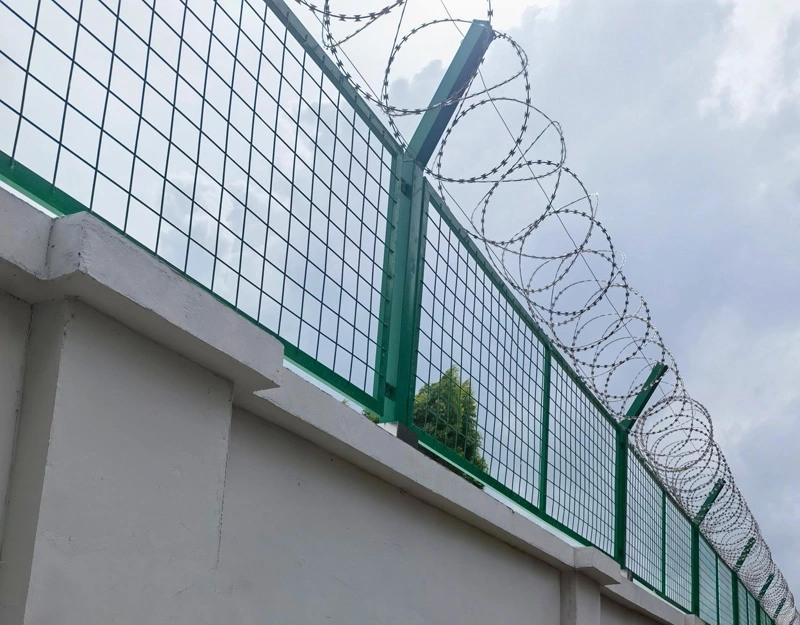
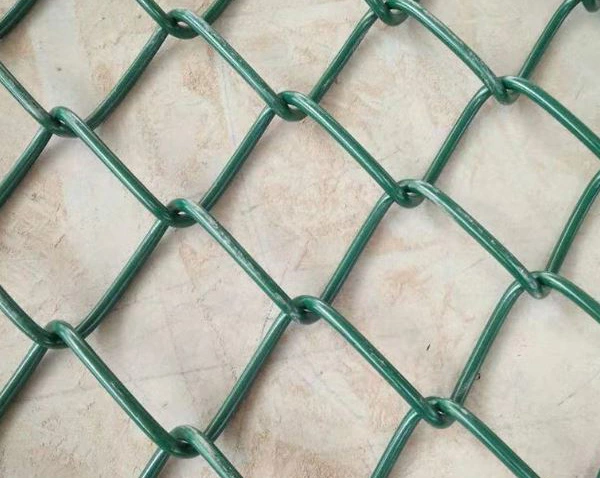
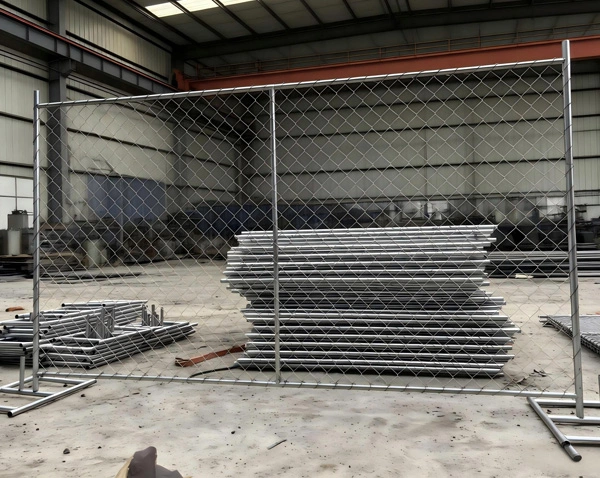
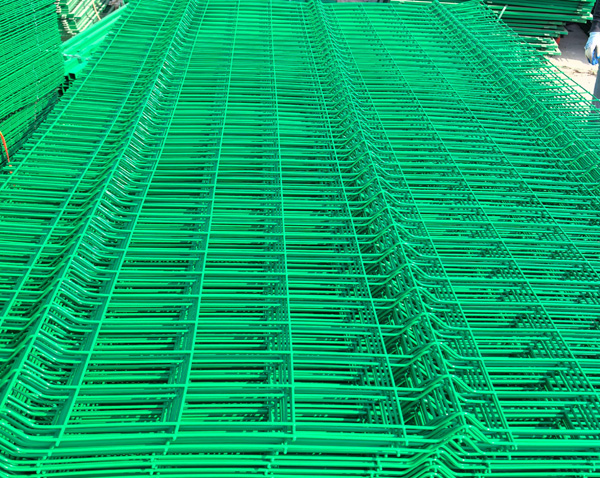
The durability and expected lifespan of a fence are among the most critical factors to consider when selecting fencing material types. Material durability can be influenced by several external factors, including climate, exposure to elements, and even local wildlife. For instance, wood fences, while aesthetically pleasing and versatile, may require more frequent maintenance in humid or rainy climates due to the risk of rotting and insect infestations. In contrast, metal fences, such as those made from aluminum or steel, offer superior resistance against weathering and pests, making them a more durable option for long-term use. Additionally, advancements in material science have led to the development of composite fencing, which combines the best properties of both natural and synthetic materials, offering a balance between durability and low maintenance. Understanding these differences is key to choosing a material that will withstand the test of time and environmental challenges.
Beyond functional considerations, the visual impact of a fence on your property should not be overlooked. The choice of fencing material types significantly influences the overall look and feel of your outdoor space. Wood, for example, lends a warm, natural appearance that can complement a wide range of architectural styles, from rustic to contemporary. However, it's important to note that wood requires regular staining or painting to maintain its appearance. On the other hand, vinyl fencing offers a clean, uniform look that remains consistent over time, requiring minimal upkeep. Metal fences, particularly those crafted from wrought iron, can add an elegant touch to any landscape, often being used in more formal or historic settings. Lastly, composite fencing, with its ability to mimic the appearance of natural materials while offering enhanced performance, provides a versatile solution for those seeking both style and substance. By carefully considering how each material aligns with your desired aesthetic, you can ensure that your fence not only serves its practical purpose but also enhances the beauty of your surroundings.
Cost-effectiveness and maintenance requirements are two interrelated aspects that play a significant role in the selection process of fencing material types. While some materials may have a lower upfront cost, they could end up being more expensive in the long run if they require frequent repairs or replacements. Wooden fences, for instance, are generally less expensive to install initially compared to alternatives like vinyl or composite; however, the need for regular treatment against rot and insects can add up over time. Vinyl, though pricier at first, boasts a longer lifespan and minimal maintenance, potentially leading to savings in the future. Similarly, metal fences, especially those made from galvanized steel or aluminum, offer good value for money given their durability and relatively low maintenance needs. Composite fencing, combining the benefits of wood and plastic, represents a middle ground, providing a balance between initial investment and long-term costs. It’s essential to weigh these financial implications alongside your personal preferences and circumstances to find the most suitable option. Remember, the goal is to select a fencing material that not only meets your immediate budget constraints but also stands the test of time, delivering lasting value and satisfaction.
In today’s world, where sustainability is becoming increasingly important, the environmental impact of the chosen fencing material types cannot be ignored. Traditional materials like wood, although renewable, can contribute to deforestation if not sourced responsibly. To mitigate this, opting for certified sustainable wood products, such as those marked with the Forest Stewardship Council (FSC) label, ensures that the wood comes from well-managed forests. Alternatively, recycled materials, such as reclaimed wood or recycled plastics, offer eco-friendly options that reduce waste and conserve resources. Composite fencing, which often incorporates recycled content, is another environmentally conscious choice. These materials not only minimize the demand for new raw materials but also have a lower carbon footprint compared to virgin materials. Moreover, the longevity and reduced maintenance of certain materials, such as vinyl and metal, mean fewer replacements and less waste over time. By prioritizing sustainability in your selection, you can make a positive contribution to the environment while still achieving your fencing goals.
Selecting the right fencing material types involves a careful evaluation of multiple factors, including durability, aesthetics, cost, and environmental impact. Each material has its unique advantages and potential drawbacks, making it essential to align your choice with your specific needs and preferences. Whether you prioritize longevity, visual appeal, or sustainability, there is a fencing material that can meet your requirements. By considering the insights provided in this guide, you can make a well-informed decision that enhances the functionality, beauty, and value of your property for years to come.
Leave a Reply