

 English
 China
China Thailand
 Malaysia
 Vietnam
 Laos
Laos Cambodia
 Pilipinas
 Indonesia
 Russian
 Portuguese
 Arabic
 Japanese
 Spanish
 Italian
 French
 German
News
- Home
- News
- Company News
In the realm of infrastructure development, China has been a leader in innovating and implementing advanced technologies to enhance the durability and safety of its highway systems. One critical aspect that has seen significant advancements is the design and installation of highway fences, which play an essential role in protecting road users and maintaining traffic flow. This report delves into the latest innovations in China's highway fence design, with a particular focus on the use of barbed wire installation guides to improve both the longevity and effectiveness of these barriers.
The foundation of any durable structure lies in the quality of materials used. In recent years, there has been a marked shift towards using high-strength, corrosion-resistant materials in the construction of highway fences. These materials not only increase the lifespan of the fences but also reduce maintenance costs over time. For instance, the incorporation of galvanized steel and composite materials has become increasingly popular. Galvanization provides a protective layer that shields the underlying metal from rust and other forms of corrosion, ensuring that the fence remains intact even under harsh environmental conditions.
Moreover, the use of advanced coatings, such as epoxy and polyurethane, further enhances the resistance of the fence to weathering and chemical exposure. These coatings form a barrier that prevents moisture and other corrosive agents from reaching the metal, thereby extending the life of the fence. The combination of these materials and coatings results in a robust and long-lasting solution that can withstand the rigors of daily use and environmental stressors.
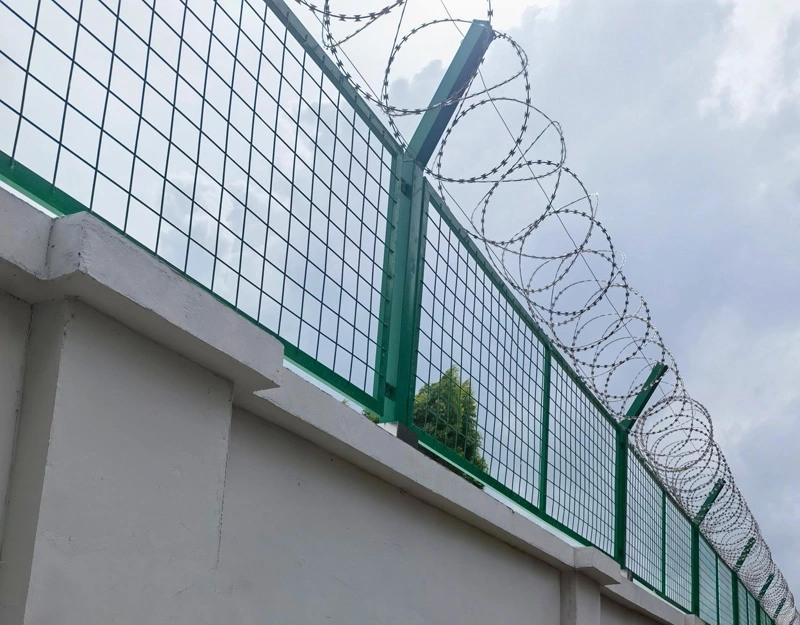
One of the key innovations in China's highway fence design is the integration of barbed wire installation guides. These guides are designed to facilitate the proper and efficient installation of barbed wire, which is often used as a top layer to deter unauthorized access and enhance security. The barbed wire installation guides ensure that the wire is installed at the correct height and tension, providing a consistent and effective barrier.
Barbed wire installation guides typically consist of pre-fabricated brackets and fasteners that are specifically engineered to fit the dimensions of the fence. These components are made from high-quality, corrosion-resistant materials, ensuring that they can withstand the same environmental conditions as the fence itself. The guides also include clear instructions and diagrams, making it easier for installers to follow best practices and achieve optimal results. By standardizing the installation process, these guides help to minimize errors and ensure that the barbed wire is securely and effectively integrated into the overall fence design.
Another significant advancement in highway fence design is the integration of smart technologies. These technologies enable real-time monitoring and maintenance, allowing for proactive management of the fence's condition. For example, sensors embedded in the fence can detect issues such as damage, wear, and potential breaches. This data is then transmitted to a central monitoring system, where it can be analyzed and acted upon promptly.
Smart fence technologies also include features such as remote surveillance and automated alerts. Cameras and motion sensors can be integrated into the fence to provide continuous monitoring of the perimeter. In the event of an intrusion or other security breach, the system can automatically send alerts to relevant authorities, enabling a rapid response. Additionally, these technologies can help to optimize maintenance schedules by identifying areas that require attention before they become major issues. This proactive approach not only enhances the overall security of the highway but also reduces the need for costly emergency repairs.
As the world becomes increasingly focused on sustainability, China's highway fence designs are also incorporating environmentally friendly practices. This includes the use of recycled materials and the implementation of energy-efficient manufacturing processes. For example, some manufacturers are now using recycled steel and plastic in the production of fence components, reducing the demand for virgin materials and minimizing waste.
Additionally, the design of the fences themselves is being optimized to reduce their environmental impact. This includes the use of modular designs that can be easily disassembled and reused, as well as the integration of green spaces and landscaping elements. These sustainable design practices not only contribute to a more eco-friendly infrastructure but also enhance the aesthetic appeal of the highways, creating a more pleasant and inviting environment for road users.
In conclusion, the innovations in China's highway fence design, including the use of advanced materials, barbed wire installation guides, smart technologies, and sustainable practices, are significantly enhancing the durability, safety, and environmental performance of these critical infrastructure elements. As these technologies continue to evolve, they will play an increasingly important role in shaping the future of highway infrastructure, ensuring that it remains robust, secure, and sustainable for generations to come.


Leave a Reply