

 English
 China
China Thailand
 Malaysia
 Vietnam
 Laos
Laos Cambodia
 Pilipinas
 Indonesia
 Russian
 Portuguese
 Arabic
 Japanese
 Spanish
 Italian
 French
 German
News
- Home
- News
- Company News
barbed wire fencing is a common and effective method for securing property, managing livestock, or creating boundaries. However, proper installation is crucial to ensure the fence's longevity and effectiveness. This guide provides essential tips for the correct barbed wire installation, ensuring that your fence serves its intended purpose efficiently and safely.
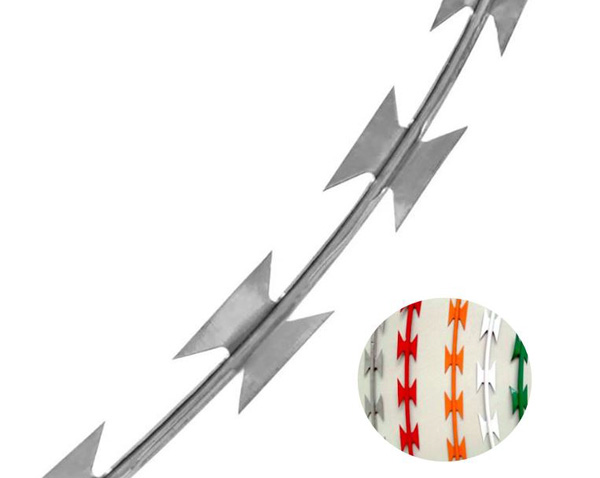
Before diving into the installation process, it’s important to understand the basics of barbed wire fencing. Barbed wire consists of two or more strands of wire twisted together, with sharp points or barbs spaced at regular intervals. These barbs are designed to deter animals and people from crossing the boundary. The wire is typically made of galvanized steel, which offers resistance to rust and corrosion, making it suitable for outdoor use in various weather conditions.
When selecting barbed wire, consider the number of strands and the spacing between the barbs. For example, a 2-strand fence is often used for light-duty applications, while a 4- or 5-strand fence is more appropriate for containing larger animals or providing a higher level of security. Additionally, the gauge (thickness) of the wire should be chosen based on the expected load and the desired lifespan of the fence.
Proper planning is key to a successful barbed wire installation. Begin by determining the layout of your fence. Use stakes and string to mark the path of the fence, ensuring that it follows the natural contours of the land and avoids any obstacles. It’s also important to check for any underground utilities or other potential hazards before starting the installation.
Consider the height of the fence as well. The standard height for a Barbed Wire Fence is typically 48 inches, but this can vary depending on local regulations and the specific needs of your property. If you are installing the fence for security purposes, you may want to increase the height to 60 inches or more.
Additionally, plan for the placement of gates and corners. Gates should be wide enough to accommodate the largest vehicle or piece of equipment that will need to pass through, and corners should be reinforced to prevent sagging and ensure the structural integrity of the fence.
Once the layout is planned, the next step is to prepare the site and gather the necessary tools and materials. Clear the area of any vegetation, rocks, or debris that could interfere with the installation. This will make the installation process smoother and help prevent damage to the wire.
The tools and materials needed for barbed wire installation include:
Ensure that all tools are in good working condition and that you have a sufficient supply of materials to complete the project. It’s also a good idea to have a helper on hand, as some tasks, such as stretching the wire, are easier with an extra set of hands.
The strength and stability of a barbed wire fence depend largely on the quality of the post installation. Start by digging holes for the posts. The depth of the holes should be at least one-third of the total length of the post. For example, if you are using 8-foot posts, the holes should be at least 32 inches deep.
For T-posts, simply drive them into the ground using a T-post driver. Ensure that the posts are plumb and properly aligned. For wooden posts, place the post in the hole and backfill with concrete. Use a level to ensure that the post is straight, and allow the concrete to cure according to the manufacturer’s instructions.
Place the corner and end posts first, as they will bear the most tension. Reinforce these posts with additional bracing to prevent them from leaning or pulling out of the ground. Once the corner and end posts are in place, install the line posts, spacing them evenly along the fence line. The typical spacing for line posts is 10 to 12 feet apart, but this can vary depending on the terrain and the type of wire being used.
With the posts in place, it’s time to attach and stretch the barbed wire. Start by attaching the wire to the first corner or end post. Use U-nails or wire ties to secure the wire to the post, ensuring that it is taut and level. Then, unroll the wire along the fence line, attaching it to each line post as you go.
To stretch the wire, use a fence stretcher. Attach the stretcher to the loose end of the wire and pull it taut. The wire should be tight enough to provide a secure barrier but not so tight that it puts excessive strain on the posts. Once the wire is stretched, secure it to the final corner or end post, and trim any excess wire.
Repeat this process for each strand of wire, starting with the bottom strand and working your way up. Ensure that the strands are evenly spaced and that the wire is taut and level. Use splice sleeves or clips to join lengths of wire, and make sure that the connections are strong and secure.
Proper maintenance is essential to ensure the longevity and effectiveness of your barbed wire fence. Regularly inspect the fence for any signs of damage, such as broken wires, loose posts, or rust. Address any issues promptly to prevent further damage and maintain the integrity of the fence.
Keep the area around the fence clear of vegetation and debris. Overgrown vegetation can put unnecessary strain on the fence and make it difficult to perform inspections. Additionally, keep an eye on the tension of the wire. Over time, the wire may loosen due to weathering or the settling of the posts. Re-tighten the wire as needed to maintain its effectiveness.
If you live in an area with harsh weather conditions, consider applying a protective coating to the wire to extend its lifespan. Galvanized wire is already resistant to rust, but an additional layer of protection can help prevent corrosion and extend the life of the fence.
Proper barbed wire installation is crucial for ensuring the effectiveness and longevity of your fence. By understanding the basics of barbed wire, planning your fence layout, preparing the site and tools, installing the posts, attaching and stretching the wire, and maintaining the fence, you can create a secure and durable boundary for your property. Follow these essential tips to achieve a successful and efficient barbed wire fencing project.

Leave a Reply