

 English
 China
China Thailand
 Malaysia
 Vietnam
 Laos
Laos Cambodia
 Pilipinas
 Indonesia
 Russian
 Portuguese
 Arabic
 Japanese
 Spanish
 Italian
 French
 German
News
- Home
- News
- Company News
barbed wire has been a staple in the world of fencing for decades, providing an effective and economical solution for boundary demarcation, security, and livestock containment. However, the installation of barbed wire is not without its intricacies, especially when it comes to advanced techniques that ensure longevity, stability, and compliance with safety standards. This report delves into several key aspects of barbed wire installation guides, offering insights and practical advice for both professionals and DIY enthusiasts. The focus will be on innovative methods that enhance the performance and durability of barbed wire fences.
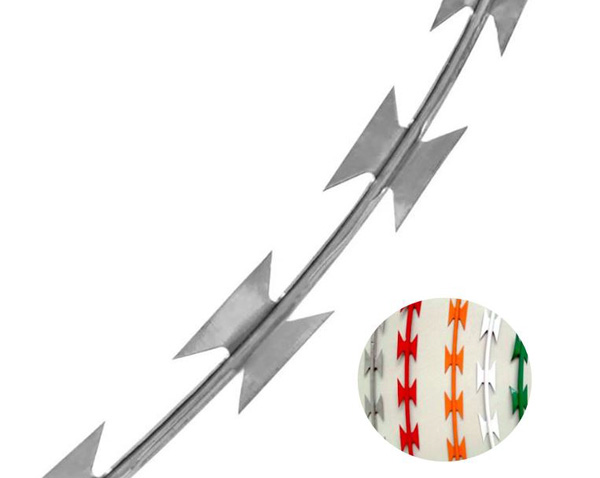
Before diving into advanced installation techniques, it is crucial to have a solid understanding of the basic components and properties of barbed wire. Barbed wire consists of two or more strands of Steel Wire twisted together, with sharp points or barbs spaced at regular intervals along the length. These barbs serve as a deterrent, making it difficult for animals or intruders to pass through. The core materials, typically galvanized or stainless steel, provide strength and resistance to corrosion, ensuring the fence remains intact over time. Familiarizing oneself with these fundamentals is the first step towards successful installation.
Effective planning is the cornerstone of any successful barbed wire fencing project. This phase involves several key steps, including site assessment, material selection, and regulatory compliance. Site assessment should consider factors such as terrain, soil type, and potential environmental impacts. For instance, in areas prone to heavy rainfall, drainage solutions may need to be integrated into the design to prevent water accumulation, which can lead to rust and structural weakening. Material selection is equally important; choosing the right gauge and type of barbed wire, as well as the appropriate posts and hardware, is essential for the fence's long-term integrity. Additionally, it is imperative to review local regulations and obtain any necessary permits before commencing the installation. Compliance with these guidelines ensures that the fence meets legal and safety standards, avoiding potential fines or rework.
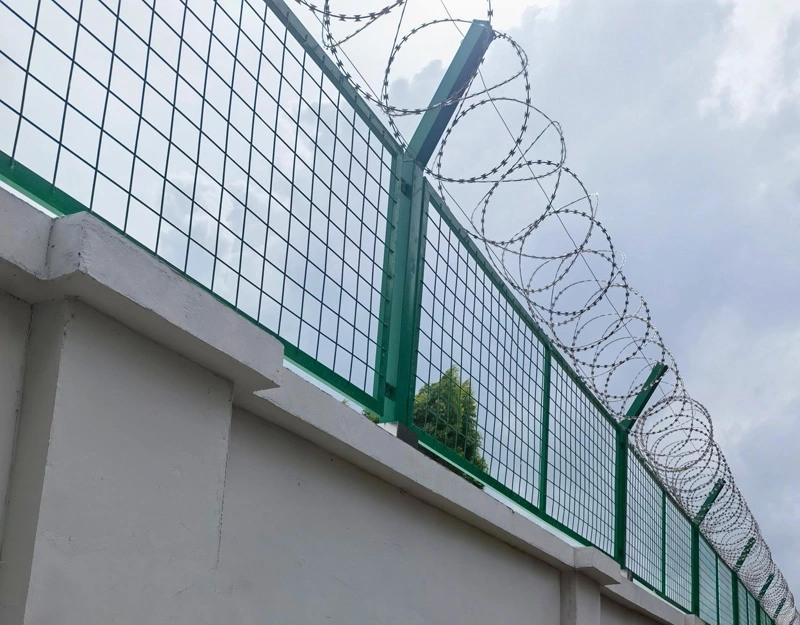
Advanced techniques in barbed wire fencing go beyond the basics, incorporating methods that significantly improve the fence's durability and effectiveness. One such technique is the use of tensioning tools, which ensure that the wire is stretched taut, reducing sagging and maintaining a uniform appearance. Proper tension also enhances the fence's ability to withstand external forces, such as wind and animal pressure. Another innovative approach is the integration of corner and end braces. These structures, typically made from strong, durable materials like treated wood or metal, provide additional support at critical points, preventing the fence from collapsing under stress. Furthermore, the application of anti-corrosion treatments, such as zinc coatings or specialized paints, can extend the life of the fence by protecting it from the elements. By adopting these advanced techniques, installers can create a robust and long-lasting barrier that requires minimal maintenance.
While barbed wire is an effective security measure, it is important to address safety concerns during installation. The sharp barbs can pose a risk to both installers and those who come into contact with the fence. To mitigate these risks, it is recommended to wear protective gear, such as gloves, goggles, and sturdy footwear, during the installation process. Additionally, clear signage should be placed at regular intervals along the fence to warn of the presence of barbed wire. For added safety, some installations may include a top rail, which provides a smooth surface for anyone who accidentally brushes against the fence. This not only reduces the likelihood of injury but also enhances the overall aesthetic appeal of the fence. Finally, regular inspections and maintenance are crucial to ensure that the fence remains in good condition and continues to function as intended. Addressing any issues promptly, such as loose wires or damaged posts, can prevent accidents and prolong the fence's lifespan.
The implementation of advanced techniques in barbed wire fencing represents a significant step forward in the field of perimeter security and containment. By understanding the fundamental principles, engaging in thorough pre-installation planning, and employing innovative methods, installers can create highly effective and durable barriers. Safety considerations and best practices further enhance the overall quality and reliability of the fence. As the demand for secure and cost-effective fencing solutions continues to grow, the adoption of these advanced techniques will play a pivotal role in meeting the needs of both residential and commercial applications. Whether you are a seasoned professional or a novice, mastering these advanced techniques will elevate your barbed wire fencing projects to new heights of excellence.

Leave a Reply