

 English
 China
China Thailand
 Malaysia
 Vietnam
 Laos
Laos Cambodia
 Pilipinas
 Indonesia
 Russian
 Portuguese
 Arabic
 Japanese
 Spanish
 Italian
 French
 German
News
- Home
- News
- Company News
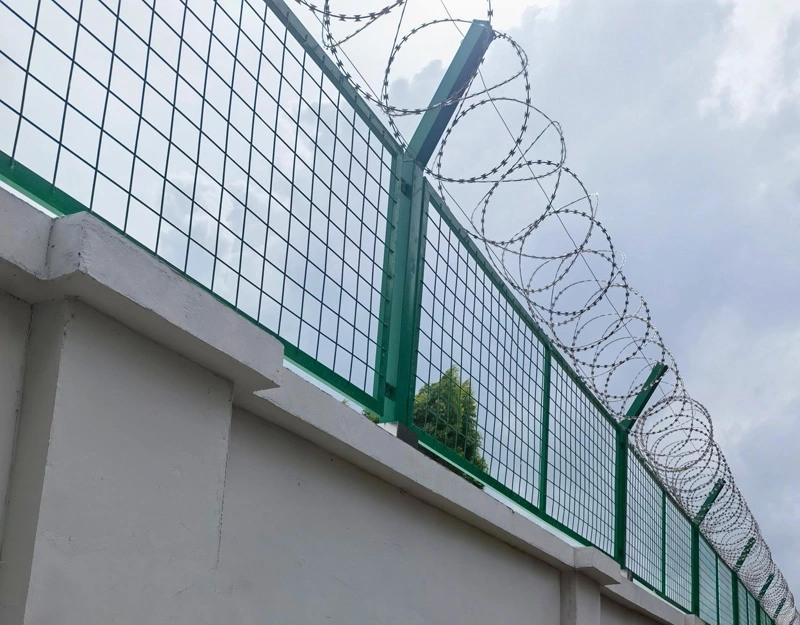
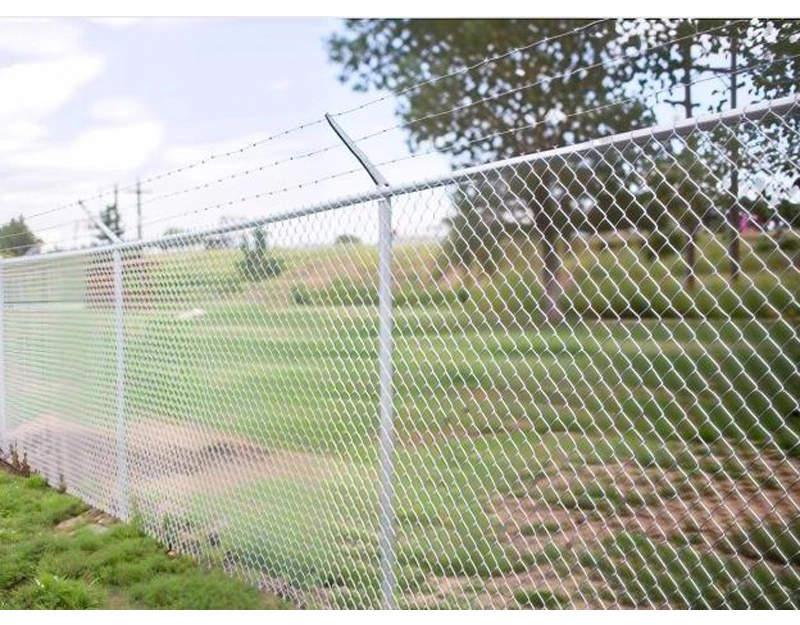
In the realm of security and boundary protection, advancements in CE certified anti climb fence technologies have significantly transformed how we think about perimeter defenses. This report delves into the latest innovations within this field, focusing on improvements that not only enhance safety but also integrate seamlessly with modern architectural designs. Through an exploration of material science, design principles, and integration with smart systems, it becomes evident how CE certified anti-climb fences are becoming more than just barriers; they are evolving into sophisticated security solutions.
The foundation of any effective CE certified anti climb fence lies in its materials. Recent years have seen a shift towards utilizing advanced alloys and composite materials that offer superior strength-to-weight ratios compared to traditional metals like iron or steel. These new materials, such as fiberglass-reinforced polymers (FRP), provide exceptional resistance against corrosion, making them ideal for environments exposed to harsh weather conditions. Moreover, the incorporation of non-conductive materials reduces the risk of electrical accidents, a critical factor in maintaining safety standards across various applications, from industrial sites to public spaces. The enhanced durability offered by these materials ensures that CE certified anti-climb fences can withstand physical attempts at breaching, thereby offering a robust first line of defense.
Beyond mere functionality, there is a growing emphasis on integrating aesthetic considerations into the design of CE certified anti-climb fences. Modern designs now aim to complement rather than clash with their surroundings, employing sleek lines and minimalistic structures that do not compromise on security. Innovations such as modular panel systems allow for greater flexibility in installation, enabling fences to be adapted to fit specific site requirements, including irregular shapes and terrains. Additionally, the use of colors and finishes that blend with the environment or architectural elements helps in reducing the visual impact of the fencing, making it less obtrusive while still effectively deterring unauthorized access. This approach not only enhances the overall appearance of the secured area but also contributes positively to urban and landscape aesthetics.
One of the most significant advancements in CE certified anti-climb fence technology is the integration with smart security systems. By incorporating sensors, cameras, and other monitoring devices directly into the fence structure, these barriers become part of a broader security network. Motion sensors, for example, can detect any attempt to scale or damage the fence, triggering immediate alerts to security personnel. Furthermore, the use of AI-powered video analytics allows for real-time analysis of potential threats, distinguishing between harmless activities and genuine security breaches. This level of integration transforms static barriers into active components of a dynamic security ecosystem, capable of providing comprehensive protection and rapid response capabilities. As technology continues to evolve, the possibilities for enhancing the functionality and effectiveness of CE certified anti-climb fences through smart system integration are virtually limitless.
An increasingly important aspect of developing new products, including CE certified anti-climb fences, is the consideration of environmental impact. Manufacturers are now prioritizing the use of sustainable materials and production processes that minimize waste and reduce carbon footprints. Recyclable materials, such as certain types of plastics and metals, are being explored for use in fence construction, ensuring that at the end of their lifecycle, these components can be repurposed rather than discarded. Additionally, energy-efficient manufacturing techniques and the adoption of renewable energy sources in the production phase contribute to lowering the overall environmental impact. Such efforts not only align with global sustainability goals but also appeal to environmentally conscious consumers and organizations, reinforcing the commitment to responsible innovation within the industry.
Ensuring that CE certified anti-climb fences meet all relevant safety and quality standards is paramount. The CE marking itself is a declaration by the manufacturer that their product complies with EU legislation, which covers aspects such as mechanical strength, stability, and resistance to adverse weather. However, regulatory compliance goes beyond just obtaining the CE certification. Continuous updates to international and local regulations necessitate ongoing research and development to keep pace with changing requirements. For instance, recent amendments to EN 1090, which governs the fabrication and erection of steel and aluminum structures, have implications for the design and manufacture of metal fences. Staying abreast of these changes and actively participating in standard-setting bodies enables manufacturers to produce fences that not only comply with current laws but are also prepared for future challenges. This proactive approach ensures that CE certified anti-climb fences remain at the forefront of safety and reliability, safeguarding both people and property effectively.
In conclusion, the evolution of CE certified anti-climb fence technology reflects a broader trend towards smarter, more integrated, and sustainably produced security solutions. By leveraging advances in material science, embracing innovative design philosophies, integrating with intelligent security systems, prioritizing environmental sustainability, and maintaining stringent adherence to regulatory standards, these fences are setting new benchmarks in the field of perimeter security. As we look to the future, it is clear that the continuous improvement and adaptation of these technologies will play a crucial role in shaping safer, more secure communities worldwide.

Leave a Reply