

 English
 China
China Thailand
 Malaysia
 Vietnam
 Laos
Laos Cambodia
 Pilipinas
 Indonesia
 Russian
 Portuguese
 Arabic
 Japanese
 Spanish
 Italian
 French
 German
News
- Home
- News
- Company News
When it comes to securing your property, choosing the right type of fencing is crucial. A CE certified anti climb fence offers not only a robust barrier against intruders but also ensures that it meets the stringent safety and quality standards set by European Union regulations. This article will guide you through the essential considerations when selecting a CE certified anti-climb fence for your property.
CE certification is a mandatory conformity marking for certain products sold within the European Economic Area (EEA). It signifies that a product has been assessed and meets the health, safety, and environmental protection requirements outlined in EU legislation. For an anti-climb fence, this means that the design, materials, and manufacturing processes have all been rigorously tested and approved. By opting for a CE certified anti-climb fence, you can be assured that the product adheres to the highest industry standards, offering both durability and security.
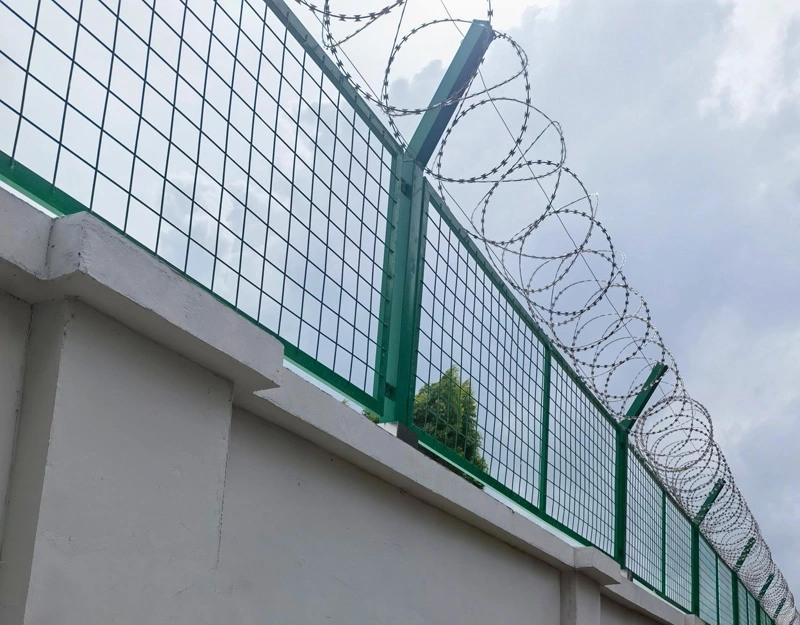
The effectiveness of an anti-climb fence largely depends on its design and the materials used. Common designs include welded wire mesh, palisade fencing, and 3D panels. Each type offers unique advantages. Welded wire mesh, for instance, provides a strong, see-through barrier that deters climbers while maintaining visibility. Palisade fencing, with its pointed tops, is particularly effective at preventing scaling. 3D panels, which feature a curved top, offer an additional layer of deterrence by making it difficult for individuals to gain a foothold.
Material selection is equally important. Steel and aluminum are popular choices due to their strength and resistance to corrosion. Galvanized steel, in particular, is highly durable and can withstand harsh weather conditions. Aluminum, while lighter, is also resistant to rust and requires minimal maintenance. When evaluating materials, consider factors such as the local climate, potential exposure to corrosive elements, and the overall aesthetic of your property.
Proper installation is critical to the effectiveness of an anti-climb fence. The fence should be securely anchored to the ground, with posts set in concrete for added stability. The height of the fence should be sufficient to deter would-be intruders; typically, a minimum height of 1.8 meters is recommended. Additionally, the fence should be installed in a way that minimizes gaps and weak points, ensuring that it provides a continuous and unbroken barrier.
Maintenance is another key aspect to consider. Regular inspections should be conducted to check for any signs of wear, damage, or corrosion. Any issues should be addressed promptly to maintain the integrity of the fence. Proper maintenance not only extends the lifespan of the fence but also ensures that it continues to provide the necessary level of security. Some manufacturers offer maintenance services, which can be a convenient option for property owners.
While the initial cost of a CE certified anti-climb fence may be higher than that of a standard fence, the long-term benefits often justify the investment. A high-quality, certified fence is more durable and less likely to require frequent repairs or replacement. This can lead to significant cost savings over time. Moreover, the enhanced security provided by an anti-climb fence can help prevent break-ins and other security breaches, potentially saving you from costly damages and losses.
Additionally, the peace of mind that comes with knowing your property is well-protected is invaluable. For commercial properties, a secure perimeter can also contribute to a positive image and enhance the overall value of the property. When considering the total cost of ownership, including installation, maintenance, and potential savings, a CE certified anti-climb fence often proves to be a wise and cost-effective choice.
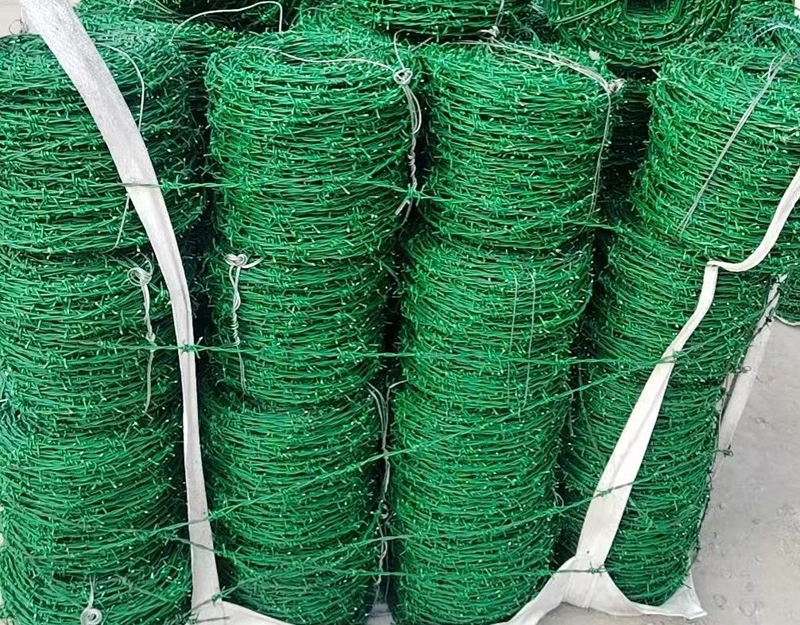
Before installing an anti-climb fence, it is essential to ensure that it complies with local building codes and regulations. Different regions may have specific requirements regarding fence height, materials, and design. For example, some areas may restrict the use of barbed wire or other potentially hazardous features. Consulting with a professional installer or local authorities can help you navigate these regulations and ensure that your fence is both legal and effective.
Furthermore, if your property is located in a conservation area or near a listed building, there may be additional restrictions to consider. In such cases, it may be necessary to obtain special permits or approvals before proceeding with the installation. Ensuring compliance with all relevant regulations not only avoids potential legal issues but also helps to maintain good relations with neighbors and the community.
In conclusion, selecting the right CE certified anti climb fence for your property involves careful consideration of several factors, including certification, design, materials, installation, maintenance, and compliance with local regulations. By taking these factors into account, you can choose a fence that not only enhances the security of your property but also provides long-lasting value and peace of mind. Whether for residential or commercial use, a well-chosen anti-climb fence is an investment in the safety and security of your property.


Leave a Reply