

 English
 China
China Thailand
 Malaysia
 Vietnam
 Laos
Laos Cambodia
 Pilipinas
 Indonesia
 Russian
 Portuguese
 Arabic
 Japanese
 Spanish
 Italian
 French
 German
News
- Home
- News
- Company News
As the world becomes increasingly connected, ensuring the safety and security of one's home has become a top priority for many. One effective way to enhance home security is through the installation of anti-climb security fences. These barriers not only serve as a physical deterrent against intruders but also integrate advanced features that can significantly reduce the risk of unauthorized access. This report explores how Anti-Intrusion Climbing Fences contribute to improving home security, focusing on their design, technological advancements, and the benefits they offer in terms of protection and peace of mind. By understanding these aspects, homeowners can make more informed decisions about securing their properties.
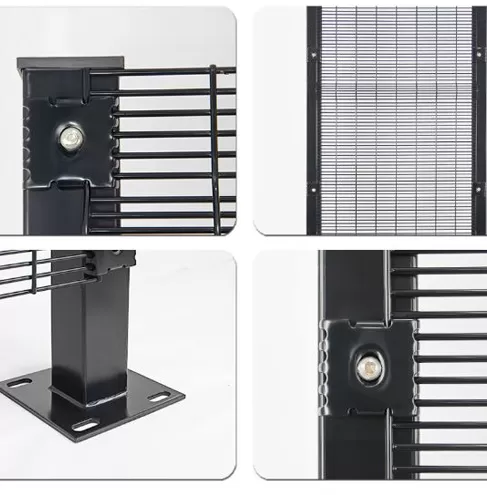
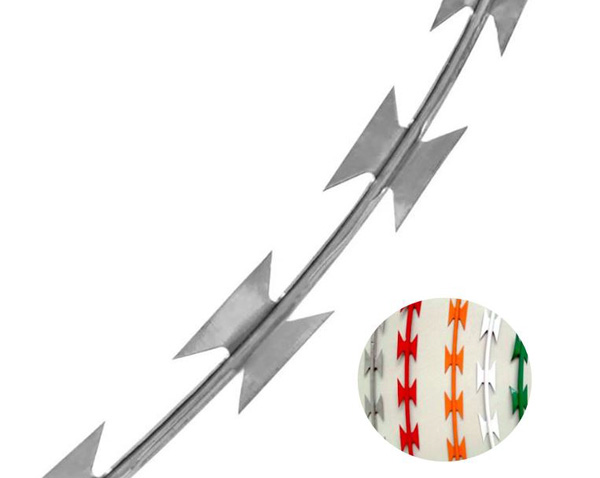
The primary function of an Anti Climb Security Fence lies in its ability to create a formidable obstacle that deters potential intruders. Modern designs incorporate sharp angles, spikes, or even electric pulses (where legal) to prevent scaling. These physical barriers are often made from robust materials such as steel, which not only increases their durability but also makes them difficult to cut or dismantle. The use of anti-climb paint or coatings further enhances the effectiveness of these fences by making it nearly impossible for anyone to gain a foothold or grip.
While the main focus of anti-climb security fences is on providing maximum protection, there is also a growing trend towards integrating these systems seamlessly into the overall aesthetic of a property. Manufacturers now offer a wide range of styles, colors, and finishes that allow homeowners to choose options that complement their homes' exterior design. Some models even come with integrated planters or trellises, enabling the growth of climbing plants, thus creating a visually appealing yet highly secure perimeter around the home. This dual-purpose approach ensures that while the fence serves its protective role, it does not compromise the curb appeal of the property.
One of the most significant advancements in the field of anti-climb security fences is their integration with smart home technologies. Today’s fences can be equipped with sensors, cameras, and alarm systems that connect directly to a homeowner’s smartphone or other devices. In the event of an attempted breach, these systems can instantly alert the owner, activate lights, sound alarms, and even contact local law enforcement. Such connectivity allows for real-time monitoring and rapid response, greatly enhancing the overall security posture of the home. Furthermore, some models feature AI-powered analytics that can distinguish between human and animal movements, reducing false alarms and increasing the reliability of the system.
In addition to offering enhanced security, modern anti-climb security fences are also designed with sustainability in mind. Solar-powered options, for example, utilize renewable energy to power lighting, sensors, and other electronic components, thereby reducing the carbon footprint associated with traditional electrical systems. These eco-friendly solutions not only help in conserving energy but also lower long-term maintenance costs. Additionally, some manufacturers use recycled materials in the construction of their fences, further contributing to environmental conservation efforts. By choosing such sustainable products, homeowners can enjoy the benefits of increased security while also supporting green initiatives.
Beyond the tangible benefits of physical and technological enhancements, the presence of an anti-climb security fence also provides a psychological barrier against potential intruders. The mere sight of a well-secured perimeter can act as a strong deterrent, discouraging would-be criminals from attempting to enter the property. This added layer of security contributes to a greater sense of safety and peace of mind for homeowners, allowing them to relax and enjoy their living spaces without constant worry. Moreover, this increased security can also have a positive impact on property values, as potential buyers are often willing to pay a premium for homes that offer robust protection measures.
Implementing anti-climb security fences not only protects individual homes but also contributes to the overall safety and security of the neighborhood. When multiple properties in a community adopt these measures, it creates a collective defense mechanism that can significantly reduce crime rates in the area. This shared commitment to security fosters a sense of community and mutual support, encouraging residents to look out for one another and report any suspicious activities. Local authorities may also benefit from the reduced number of break-ins, freeing up resources to address other pressing issues. In this way, the adoption of anti-climb security fences can have a ripple effect, enhancing the quality of life for all members of the community.


Leave a Reply