

 English
 China
China Thailand
 Malaysia
 Vietnam
 Laos
Laos Cambodia
 Pilipinas
 Indonesia
 Russian
 Portuguese
 Arabic
 Japanese
 Spanish
 Italian
 French
 German
News
- Home
- News
- Company News
Understanding the Features of Anti-Climb Protection fences is crucial for enhancing security and deterring unauthorized access. This technical report delves into the design, materials, and application scenarios of anti-climb fences, providing a comprehensive overview of their benefits and limitations. By exploring the structural integrity, aesthetic considerations, and maintenance requirements, this document aims to guide decision-makers in selecting the most suitable anti-climb security fence for various environments. The report also examines the integration of these fences with other security measures, ensuring a holistic approach to perimeter protection.
The primary material used in anti-climb security fences is typically high-tensile steel, which provides excellent strength and durability. These fences are designed to withstand significant force and resist cutting, bending, or breaking. High-tensile steel ensures that the fence remains intact even under extreme conditions, such as severe weather or attempted breaches. Additionally, the use of galvanized or powder-coated finishes enhances corrosion resistance, extending the lifespan of the fence and maintaining its structural integrity over time.
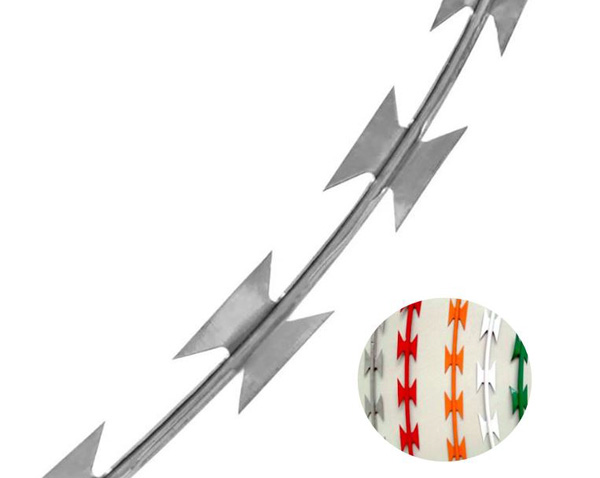
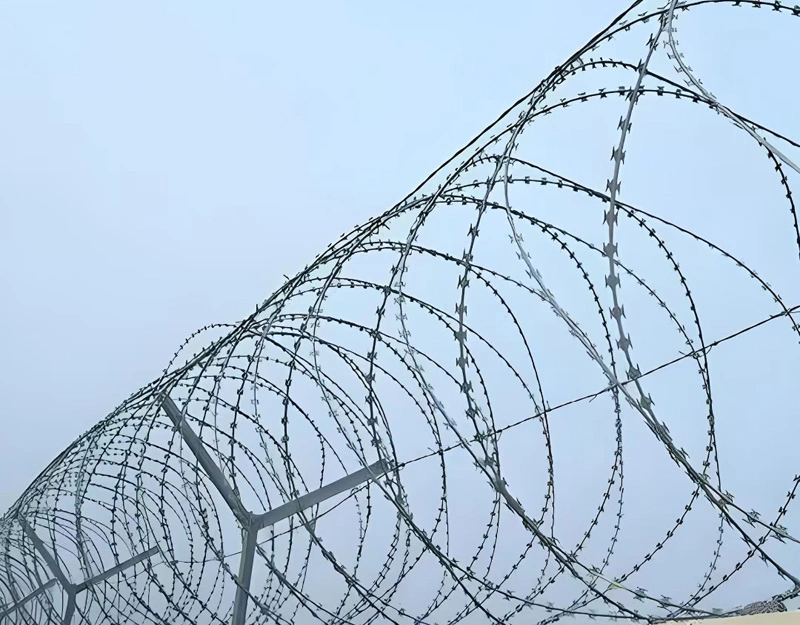
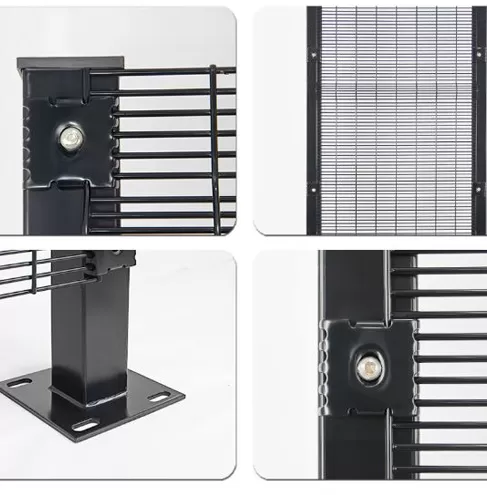
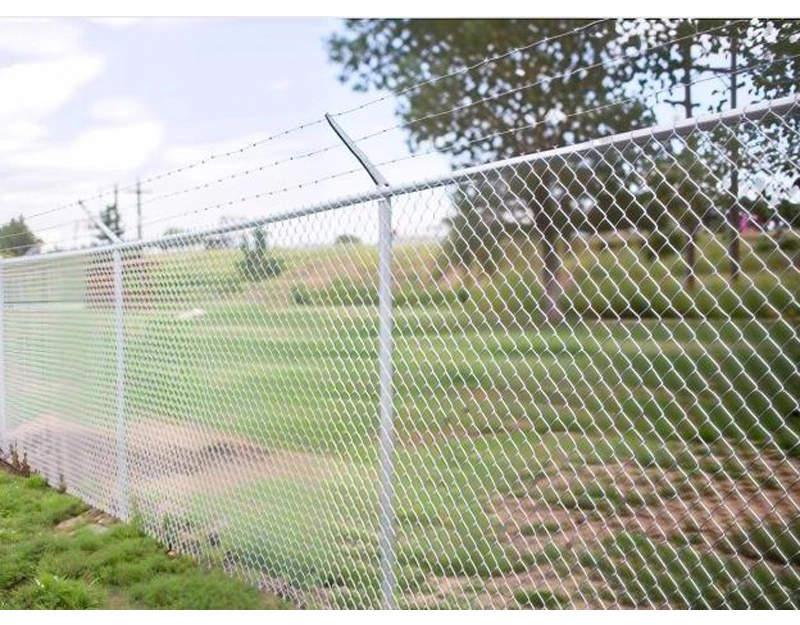
Anti-climb fences incorporate several design features that make them highly effective at deterring intruders. One key feature is the inclusion of anti-climb spikes or barbs at the top of the fence, which prevent individuals from scaling it. Another innovative design element is the use of closely spaced vertical bars, which eliminate footholds and handholds, making it extremely difficult for anyone to climb. Some advanced models also include integrated sensors and alarm systems, which can be triggered by any attempt to breach the fence, providing an additional layer of security.
While security is the primary concern, the visual appeal of anti-climb security fences should not be overlooked. Many manufacturers offer a range of colors and finishes to match the aesthetic of the surrounding environment. This allows for seamless integration with existing structures and landscaping, ensuring that the fence does not detract from the overall appearance of the property. Customization options, such as decorative elements or specific color schemes, can also be considered to enhance the visual appeal while maintaining the necessary security features.
To create a robust security system, anti-climb fences should be integrated with other security measures. This can include CCTV cameras, motion sensors, and lighting. The combination of these elements provides a multi-layered approach to security, where each component complements the others. For example, CCTV cameras can monitor the perimeter, while motion sensors and lights can deter intruders and alert security personnel. The integration of these systems ensures that any potential breach is detected and responded to promptly, enhancing the overall effectiveness of the security infrastructure.
To ensure the long-term effectiveness of anti-climb security fences, regular inspection and maintenance are essential. This includes checking for any signs of damage, wear, or corrosion. Regular cleaning and touch-ups to the finish can help maintain the fence's appearance and protect it from environmental factors. It is also important to inspect the hardware, such as hinges and latches, to ensure they are functioning properly. Any issues should be addressed promptly to prevent further damage and maintain the fence's integrity.
The lifespan of an anti-climb security fence depends on various factors, including the quality of materials, environmental conditions, and the level of maintenance. Typically, a well-maintained fence can last for 20-30 years or more. However, it is important to consider replacement when the fence shows significant signs of wear or if it no longer meets the required security standards. Factors such as advancements in technology and changes in security needs may also necessitate an upgrade. Planning for the eventual replacement of the fence ensures that the property remains protected and that the security infrastructure remains up-to-date.
Leave a Reply