

 English
 China
China Thailand
 Malaysia
 Vietnam
 Laos
Laos Cambodia
 Pilipinas
 Indonesia
 Russian
 Portuguese
 Arabic
 Japanese
 Spanish
 Italian
 French
 German
News
- Home
- News
- Company News
The construction industry is one of the most vital sectors in any economy, responsible for building and maintaining the infrastructure that supports daily life. However, it is also an industry with a high risk of accidents and injuries. Ensuring worker safety while maintaining project efficiency is a top priority for all stakeholders involved. One often overlooked but crucial element in achieving these goals is the construction site barrier. This report will explore how construction site barriers contribute to worker safety and project success.
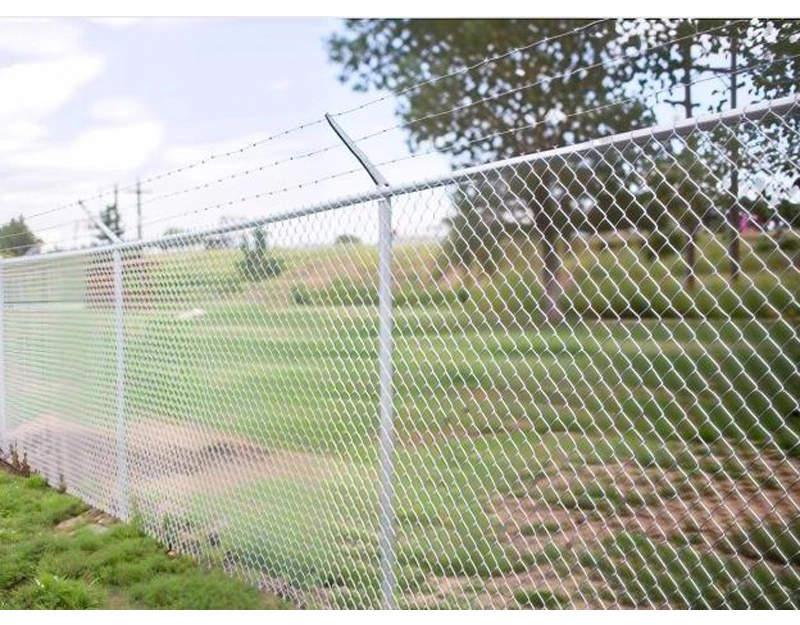
One of the primary functions of a construction site barrier is to enhance the security and access control of the site. By clearly delineating the boundaries between the construction area and public spaces, barriers help prevent unauthorized individuals from entering the site. This not only protects the workers from potential disturbances or hazards caused by outsiders but also safeguards the public from the dangers associated with ongoing construction activities. Additionally, barriers can be designed to include gates and checkpoints, allowing for controlled access to the site. This ensures that only authorized personnel, equipped with the necessary safety gear and training, are permitted to enter the work area, thereby reducing the likelihood of accidents and enhancing overall site security.
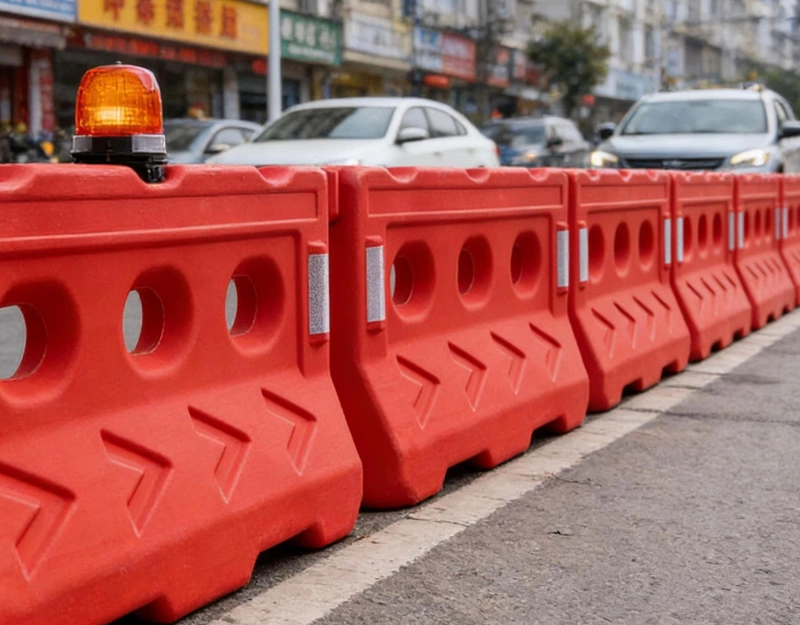
Construction sites are inherently hazardous environments, with numerous risks such as falling objects, heavy machinery, and uneven terrain. A well-placed construction site barrier can significantly reduce the risk of accidents and injuries. For example, barriers can be used to cordon off areas where heavy equipment is being operated, preventing workers and visitors from inadvertently entering these dangerous zones. Similarly, barriers can be installed around excavation sites to prevent falls and collapses. By creating a physical barrier between workers and potential hazards, the likelihood of accidents is minimized, contributing to a safer working environment. Furthermore, barriers can be equipped with warning signs and lights, providing additional visual cues to alert workers and visitors to potential dangers, thus further enhancing safety measures.
A well-organized construction site is essential for maintaining project efficiency and meeting deadlines. Construction site barriers play a key role in this aspect by helping to organize the site and manage the flow of materials and personnel. By dividing the site into distinct zones, barriers can facilitate the efficient movement of workers and equipment, reducing congestion and minimizing delays. For instance, barriers can be used to create separate areas for material storage, waste disposal, and workstations, ensuring that each zone is used for its intended purpose. This not only improves the overall organization of the site but also helps in maintaining a clean and tidy work environment, which is crucial for worker productivity and morale. Additionally, barriers can be used to direct traffic flow, both within the site and at the entrance/exit points, ensuring that vehicles and pedestrians do not interfere with each other, thereby reducing the risk of accidents and improving overall site efficiency.
Compliance with local, state, and federal regulations is a critical aspect of any construction project. Many of these regulations mandate the use of construction site barriers to ensure the safety of workers and the public. For example, OSHA (Occupational Safety and Health Administration) guidelines require the use of barriers to protect workers from fall hazards, and many local building codes specify the types and placement of barriers around construction sites. By adhering to these regulations, construction companies can avoid costly fines and legal liabilities. Moreover, compliance with safety standards and regulations enhances the company's reputation and builds trust with clients and the community. This, in turn, can lead to more business opportunities and a more positive public image, which is beneficial for long-term success.
The presence of a well-maintained construction site barrier can also have a positive impact on public perception and community relations. Construction projects, especially those in urban areas, can be disruptive to the surrounding community, causing noise, dust, and other nuisances. A visually appealing and well-maintained barrier can help mitigate these issues by providing a clear and professional appearance. This not only reduces the negative impact on the community but also demonstrates the construction company's commitment to maintaining a safe and organized work environment. Additionally, barriers can be used to display project information, such as timelines, contact details, and safety messages, which can help keep the community informed and engaged. This transparency and communication can foster a positive relationship between the construction company and the local community, leading to smoother project execution and a better overall experience for all stakeholders.
In conclusion, construction site barriers are an essential component of any construction project, contributing significantly to worker safety, project efficiency, and regulatory compliance. By enhancing site security, preventing accidents, maintaining organization, ensuring compliance, and improving public perception, barriers play a multifaceted role in the success of construction projects. As the industry continues to evolve, the importance of these barriers will only grow, making them a critical investment for any construction company committed to excellence and safety.



Leave a Reply