

 English
 China
China Thailand
 Malaysia
 Vietnam
 Laos
Laos Cambodia
 Pilipinas
 Indonesia
 Russian
 Portuguese
 Arabic
 Japanese
 Spanish
 Italian
 French
 German
News
- Home
- News
- Company News
In the realm of construction, ensuring the safety and efficiency of a site is paramount. Among the various measures employed, the role of construction site barriers stands out as an essential component. This report delves into how these barriers not only enhance security but also contribute to the overall operational efficiency of construction projects.
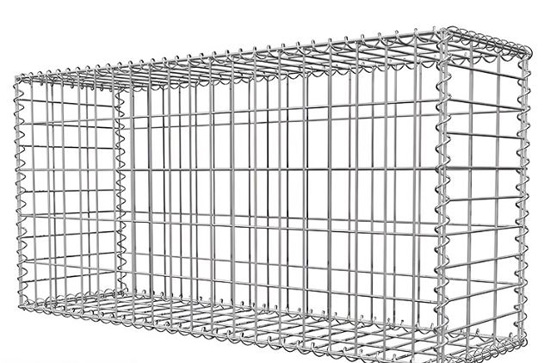
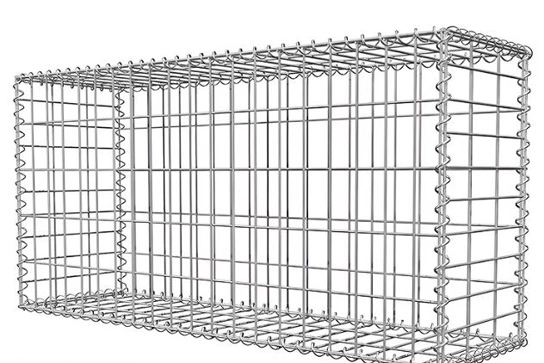
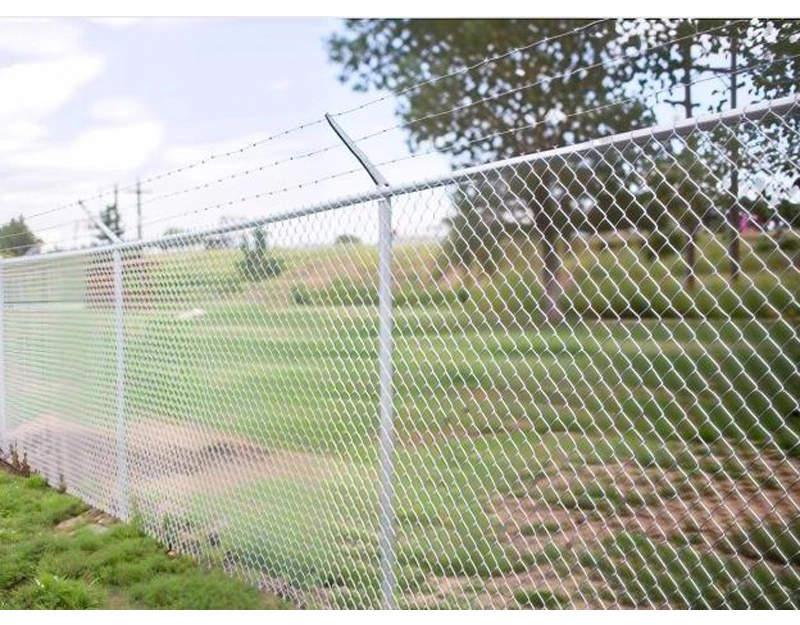
Construction sites are often attractive targets for theft and vandalism due to the high value of materials and equipment present. The implementation of robust construction site barriers serves as a first line of defense against unauthorized access. These barriers, which can range from simple fencing to more advanced systems incorporating surveillance technology, play a crucial role in deterring potential intruders. By creating a clear demarcation between the construction area and the public space, they help maintain a secure environment where work can proceed without interruption. Additionally, the visible presence of such security measures can act as a psychological deterrent, reducing the likelihood of criminal activities.
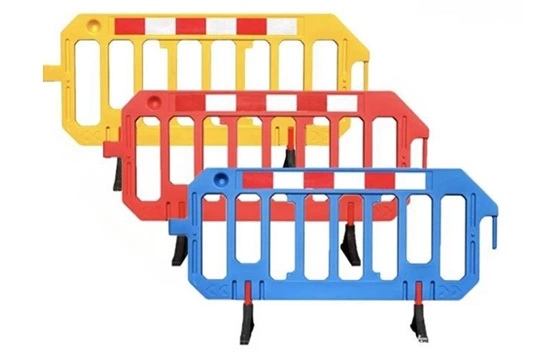
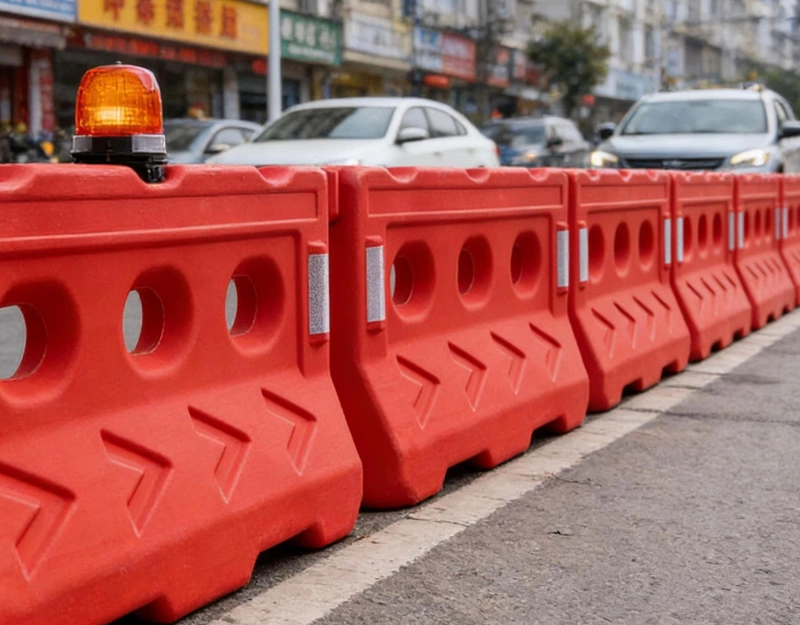
Beyond protecting against external threats, construction site barriers significantly contribute to internal safety standards. In busy construction environments, clearly defined boundaries are essential for preventing accidents and maintaining order. For instance, temporary barriers can be used to cordon off hazardous areas, guiding workers and visitors away from potential dangers like open trenches or unstable structures. Furthermore, these barriers assist in organizing the workflow by delineating different zones within the site, such as material storage, active construction, and pedestrian paths. This organization not only enhances safety but also improves the efficiency of operations by minimizing confusion and optimizing the use of space.
The strategic placement of construction site barriers can greatly impact the efficiency of a project. By carefully planning the layout and positioning of barriers, construction managers can streamline logistics and reduce delays. For example, placing barriers at key entry points allows for better control over who enters and exits the site, facilitating the management of deliveries and personnel. Moreover, using modular or adjustable barriers enables quick reconfiguration of the site layout in response to changing project needs, thereby supporting agile project management. This flexibility is particularly valuable in dynamic construction environments where adjustments must be made frequently to accommodate new phases of work or unexpected challenges.
Modern construction site barriers often incorporate advanced technologies to further enhance their effectiveness. Technologies such as access control systems, CCTV cameras, and alarm systems can be integrated into barriers to provide real-time monitoring and immediate response capabilities. Access control systems, for instance, ensure that only authorized personnel can enter specific areas, reducing the risk of theft and unauthorized access. CCTV cameras, when combined with smart analytics, can detect suspicious activities and alert security personnel promptly. Such technological integrations not only improve security but also provide valuable data that can be used to optimize site operations and respond proactively to potential issues.
Finally, the design and implementation of construction site barriers should also consider environmental sustainability. Traditional barriers, such as wooden fences, can have a significant ecological footprint due to the resources required for their production and disposal. In contrast, modern, reusable, and recyclable barrier systems offer a more sustainable alternative. These systems, often made from durable materials like recycled plastic or metal, can be disassembled and reused in multiple projects, reducing waste and lowering the overall environmental impact. Additionally, some barrier designs incorporate features that minimize visual and noise pollution, contributing to a more harmonious coexistence with the surrounding community.
In conclusion, the role of construction site barriers in enhancing both security and efficiency is multifaceted. From providing physical protection and improving safety standards to enabling strategic site management and integrating advanced technologies, these barriers are indispensable tools in the construction industry. As the sector continues to evolve, the adoption of sustainable and technologically advanced barrier solutions will be crucial in meeting the growing demands for safer, more efficient, and environmentally responsible construction practices.



Leave a Reply