

 English
 China
China Thailand
 Malaysia
 Vietnam
 Laos
Laos Cambodia
 Pilipinas
 Indonesia
 Russian
 Portuguese
 Arabic
 Japanese
 Spanish
 Italian
 French
 German
News
- Home
- News
- Company News
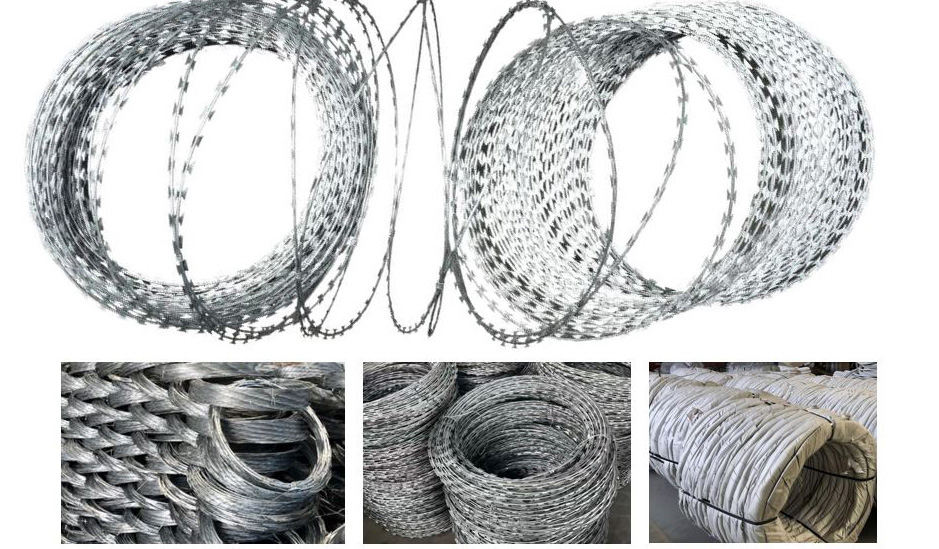
barbed wire, an invention that has significantly impacted the way we perceive and utilize land, is a crucial element in both agricultural and security contexts. Its influence spans across multiple dimensions, including property demarcation, livestock management, and protection against unauthorized access. This report explores how barbed wire shapes agricultural landscapes and enhances security, providing insights into its historical significance, current applications, and future prospects.
The concept of using sharp materials to create barriers dates back to ancient times, with thorny bushes being one of the earliest forms of natural defense. However, it was not until the 19th century that barbed wire as we know it today came into existence. Invented by Michael Kelly in 1868 and later improved by Joseph Glidden, barbed wire quickly became popular due to its effectiveness and affordability. It revolutionized farming practices in the American West, where vast open ranges were divided into manageable plots, enabling more efficient use of land for agriculture and livestock rearing. The introduction of barbed wire facilitated the transition from communal grazing lands to privately owned farms, fundamentally altering the social and economic fabric of rural communities.
In contemporary agriculture, barbed wire remains a fundamental tool for defining property boundaries and controlling animal movement. By clearly marking the edges of a farm, it prevents disputes over land ownership and helps in maintaining good neighborly relations. Moreover, when used as fencing, barbed wire effectively keeps livestock within designated areas, which is essential for rotational grazing systems that promote sustainable land use. These systems allow different sections of pasture to rest and regenerate, improving soil health and increasing overall productivity. Additionally, barbed wire can deter predators and reduce the risk of animals straying onto roads or neighboring properties, thereby enhancing safety for both humans and animals.
Beyond its agricultural applications, barbed wire plays a vital role in security measures. Its intimidating appearance and physical deterrent properties make it ideal for protecting sensitive sites such as military installations, prisons, and industrial facilities. When installed along perimeters, barbed wire creates a formidable barrier that discourages trespassing and illegal entry. Furthermore, advancements in technology have led to the development of electrified versions, which add an extra layer of security by delivering a non-lethal electric shock to would-be intruders. This combination of visual and physical deterrents makes barbed wire an effective solution for safeguarding high-risk locations without requiring constant human surveillance. In urban settings, too, barbed wire is often employed around vacant lots or construction zones to prevent vandalism and theft, contributing to the overall safety and order of the community.
While barbed wire offers numerous benefits, its use also comes with certain economic and environmental implications. From an economic standpoint, the initial cost of installing barbed wire fences can be relatively low compared to other types of fencing, making it accessible even to small-scale farmers. Over time, however, maintenance costs may arise, especially if the wire becomes damaged or corroded. Regular inspections and repairs are necessary to ensure the fence remains functional and safe. On the environmental front, improper disposal of old barbed wire can lead to pollution and pose risks to wildlife. Animals can get entangled in discarded wires, leading to injuries or death. Therefore, responsible waste management practices, such as recycling or proper disposal, are critical to mitigate these negative impacts. Additionally, some modern alternatives, like solar-powered electric fences, offer more eco-friendly options that reduce the need for traditional barbed wire while still providing effective security and containment solutions.
As technology continues to evolve, so too will the role of barbed wire in shaping our landscapes and ensuring security. Innovations such as smart fencing systems, which integrate sensors and surveillance cameras, promise to enhance the functionality of traditional barbed wire. These advanced systems can provide real-time alerts and monitoring, allowing for quicker response times to potential threats. Despite these advancements, the basic principle of using a physical barrier to protect and define spaces remains relevant. Whether in the context of agriculture or security, barbed wire will likely continue to play a significant role, adapting to new challenges and opportunities as they arise. By understanding its historical significance, current applications, and future possibilities, we can better appreciate the enduring impact of this simple yet powerful invention on our world.



Leave a Reply