A Guide to Choosing the Right Type of Barbed Wire for Home Security
barbed wire, an age-old yet highly effective security solution, has been a staple in protecting properties for centuries. Its versatility and affordability make it a popular choice among homeowners looking to bolster their property's defenses. However, with numerous types of barbed wire available, selecting the right one can be challenging. This guide aims to provide a comprehensive overview to help you choose the most suitable type of barbed wire for your home security needs.
Understanding the Basics of Barbed Wire
Before delving into the specifics of choosing the right type of barbed wire, it is essential to understand what barbed wire is and how it functions. Barbed wire consists of sharp points or barbs attached at intervals along strands of wire. These barbs are designed to deter intruders by causing discomfort or injury, thereby serving as a physical and psychological barrier. The effectiveness of barbed wire depends on factors such as the material, gauge, spacing, and installation method. Typically, barbed wire is made from galvanized steel, which offers excellent durability and resistance to corrosion, making it ideal for outdoor use.
Evaluating Your Security Needs
The first step in choosing the right type of barbed wire is to assess your specific security requirements. Different situations call for different solutions, and understanding these needs will help you narrow down your options. Consider the following questions:
- What level of security do you need? Are you primarily concerned about deterring casual trespassers, or do you require a more robust defense against determined intruders?
- What is the perimeter of your property? Larger areas may benefit from heavier gauge wires, while smaller spaces might require less intensive solutions.
- Are there any legal restrictions or homeowner association rules that limit the use of barbed wire in your area? It’s important to check local regulations to ensure compliance.
- What is your budget? While barbed wire is generally affordable, higher-quality materials and more intricate designs can increase costs.
By answering these questions, you can better determine the type of barbed wire that will best meet your needs.
Types of Barbed Wire and Their Applications
There are several types of barbed wire, each with its own unique characteristics and applications. Here are some common types:
- Standard Barbed Wire: This is the most common type, consisting of two strands of wire twisted together with barbs spaced evenly along the length. Standard barbed wire is suitable for general-purpose security and is often used in residential settings. It is typically available in 12.5-gauge and 14-gauge wire, with 12.5-gauge being the more robust option.
- High-Tensile Barbed Wire: Made from stronger, more durable materials, high-tensile barbed wire is designed to withstand greater force and tension. This type is ideal for large properties or areas where additional strength is required. High-tensile barbed wire is often used in agricultural settings but can also be an excellent choice for homes with expansive perimeters.
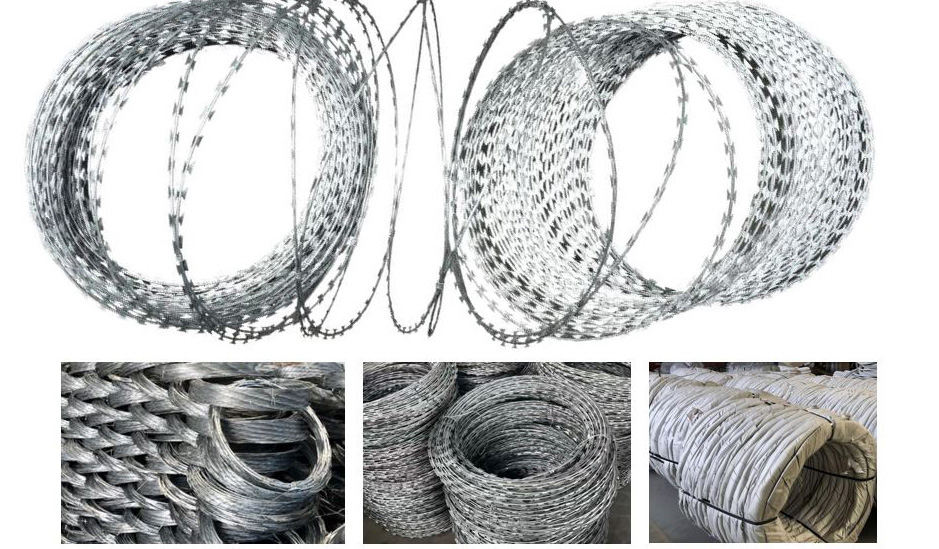
- Concertina Wire: Also known as Razor wire, concertina wire features tightly coiled barbs that create a formidable barrier. This type is particularly effective at deterring intruders due to its intimidating appearance and the difficulty of breaching it. Concertina wire is commonly used in high-security areas, such as military installations and industrial sites, but can also be used for residential security in certain circumstances.
- Electrified Barbed Wire: For added security, some barbed wire systems can be electrified. This type of wire combines the deterrent effect of barbs with the shock of an electric current. Electrified barbed wire is an advanced security solution and should only be installed by professionals. It is often used in high-risk areas, such as prisons and secure facilities, but can also be considered for homes with significant security concerns.
Each type of barbed wire has its advantages and is suited to different security needs. By understanding the characteristics of each, you can select the one that provides the best protection for your property.
Installation and Maintenance Considerations
Proper installation and maintenance are crucial to ensuring the effectiveness and longevity of your barbed wire. Here are some key considerations:
- Professional Installation: While some homeowners may attempt to install barbed wire themselves, it is often advisable to hire a professional. Professionals have the tools and expertise to ensure the wire is installed correctly and safely, minimizing the risk of injury and maximizing the wire's effectiveness.
- Height and Spacing: The height at which the barbed wire is installed and the spacing between the strands can significantly impact its effectiveness. Generally, barbed wire should be installed at a height that makes it difficult for intruders to climb over, and the strands should be spaced to prevent easy passage. Consult with a security expert to determine the optimal height and spacing for your specific situation.
- Regular Inspections and Maintenance: Over time, barbed wire can become loose, damaged, or corroded, reducing its effectiveness. Regular inspections and maintenance are necessary to ensure the wire remains in good condition. This includes checking for signs of wear, tightening any loose sections, and replacing damaged or rusted parts. Additionally, keeping the surrounding area clear of debris and vegetation will help maintain the integrity of the wire.
By following these installation and maintenance guidelines, you can ensure that your barbed wire continues to provide reliable security for your home.
Conclusion
Choosing the right type of barbed wire for your home security is a decision that should not be taken lightly. By understanding the basics of barbed wire, evaluating your specific security needs, and considering the different types and their applications, you can make an informed choice. Additionally, proper installation and regular maintenance are essential to ensure the long-term effectiveness of your barbed wire. With the right selection and care, barbed wire can provide a robust and cost-effective security solution for your property.


 English
 China
China Thailand
 Malaysia
 Vietnam
 Laos
Laos Cambodia
 Pilipinas
 Indonesia
 Russian
 Portuguese
 Arabic
 Japanese
 Spanish
 Italian
 French
 German
Leave a Reply