

 English
 China
China Thailand
 Malaysia
 Vietnam
 Laos
Laos Cambodia
 Pilipinas
 Indonesia
 Russian
 Portuguese
 Arabic
 Japanese
 Spanish
 Italian
 French
 German
News
- Home
- News
- Company News
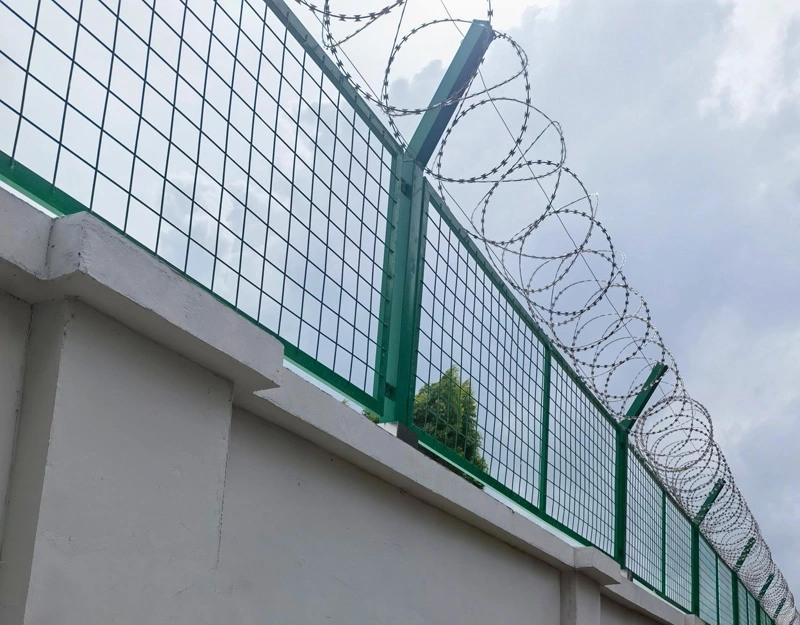
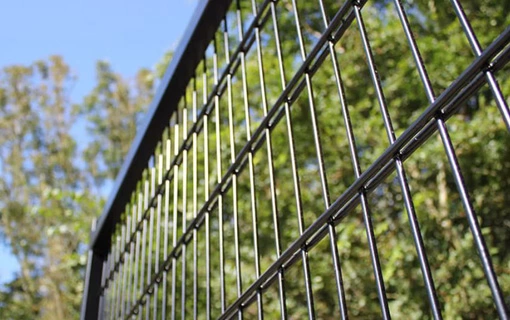
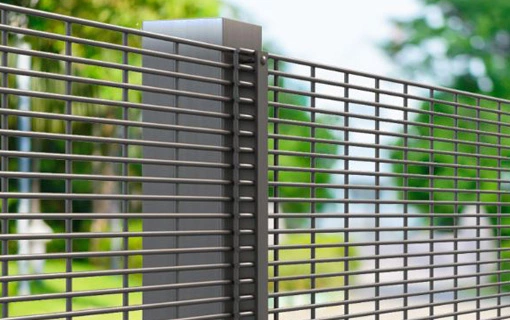
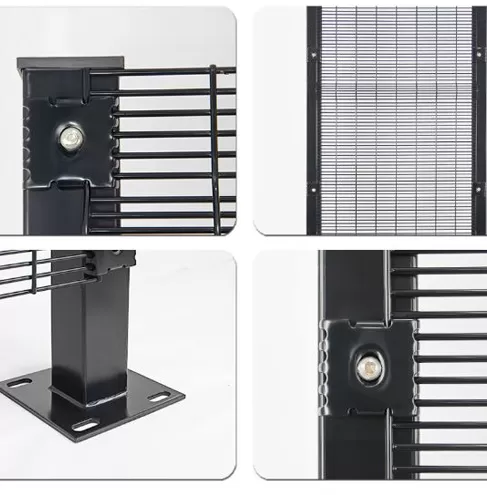
When it comes to securing your home, choosing the right anti-climb security fence is a critical decision. This article delves into the factors and considerations that homeowners should take into account when selecting an anti-climb fence for residential use. From understanding the different materials and designs available to assessing the level of security needed, this guide aims to provide a comprehensive overview to help you make an informed choice. We will explore the importance of aesthetic appeal, maintenance requirements, and the integration of technology in modern fencing solutions. By the end of this article, you will have a clear idea of what to look for in an anti-climb fence that not only enhances security but also complements the overall appearance of your property.
Residential areas are often targeted by intruders due to the potential for easy access and valuable possessions. An anti-climb fence serves as a physical and psychological deterrent, making it more difficult for unauthorized individuals to gain entry. This section will discuss how anti-climb fences contribute to the overall security of a home and the peace of mind they provide to homeowners.
There are various types of threats that homeowners may face, including theft, vandalism, and even personal safety concerns. Understanding these threats and identifying the vulnerabilities of your property is crucial in determining the type of anti-climb fence that will be most effective. This part of the article will cover common security risks and how different fence designs can address them.
Steel is one of the most popular materials used for anti-climb fences due to its durability and strength. It can withstand harsh weather conditions and resist attempts at cutting or breaking. This section will explore the benefits of steel fences, including their long lifespan and low maintenance requirements, as well as any potential drawbacks such as cost and weight.
Aluminum is another common material for anti-climb fences, known for its lightweight nature and resistance to corrosion. This makes it an excellent choice for areas with high humidity or salt exposure. The discussion will cover the advantages of aluminum, such as ease of installation and minimal maintenance, as well as any limitations like lower strength compared to steel.
While security is the primary concern, the aesthetic appeal of the fence is also important. An anti-climb fence should complement the overall design of the home and enhance its curb appeal. This section will discuss how to choose a fence that balances security and aesthetics, including options for colors, finishes, and decorative elements.
Every property is unique, and the ability to customize the fence to fit specific needs is essential. This part of the article will cover the importance of customization, including options for height, gate styles, and additional features like privacy screens. The flexibility of the fence design can significantly impact its effectiveness and user satisfaction.
Modern anti-climb fences can be integrated with smart technology to enhance security and convenience. Features such as automated gates, remote access, and security cameras can be incorporated into the fence system. This section will explore the benefits of these smart features, including improved monitoring and control, and how they can be seamlessly integrated into the overall security setup.
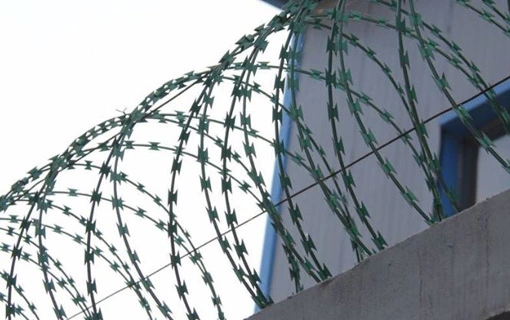
In addition to physical barriers, alarm systems and other deterrents can be added to the fence to further enhance security. Motion sensors, perimeter alarms, and lighting can all play a role in deterring intruders. This part of the article will discuss the different types of alarm systems and deterrents available, and how they can be effectively combined with the anti-climb fence to create a comprehensive security solution.
To ensure the longevity and effectiveness of an anti-climb fence, regular maintenance is necessary. This section will outline the key maintenance tasks, such as cleaning, inspecting for damage, and addressing any issues promptly. Proper maintenance can extend the life of the fence and prevent costly repairs or replacements in the future.
While the initial cost of an anti-climb fence is an important factor, it is also essential to consider the long-term costs associated with maintenance and potential repairs. This part of the article will discuss the financial aspects of owning an anti-climb fence, including the cost of materials, installation, and ongoing maintenance. By understanding these costs, homeowners can make a more informed decision about the best fence for their budget and needs.
Before installing an anti-climb fence, it is crucial to understand the local regulations and obtain any necessary permits. This section will cover the legal requirements for fence installation, including height restrictions, setback requirements, and any specific rules related to anti-climb features. Compliance with these regulations ensures that the fence is both legal and effective in providing security.
Installing a fence can sometimes lead to disputes with neighbors, especially if it affects their view or privacy. This part of the article will discuss the importance of considering neighborly relations and maintaining good communication during the planning and installation process. Tips for resolving potential conflicts and ensuring a harmonious neighborhood environment will also be provided.


Leave a Reply