

 English
 China
China Thailand
 Malaysia
 Vietnam
 Laos
Laos Cambodia
 Pilipinas
 Indonesia
 Russian
 Portuguese
 Arabic
 Japanese
 Spanish
 Italian
 French
 German
News
- Home
- News
- Company News
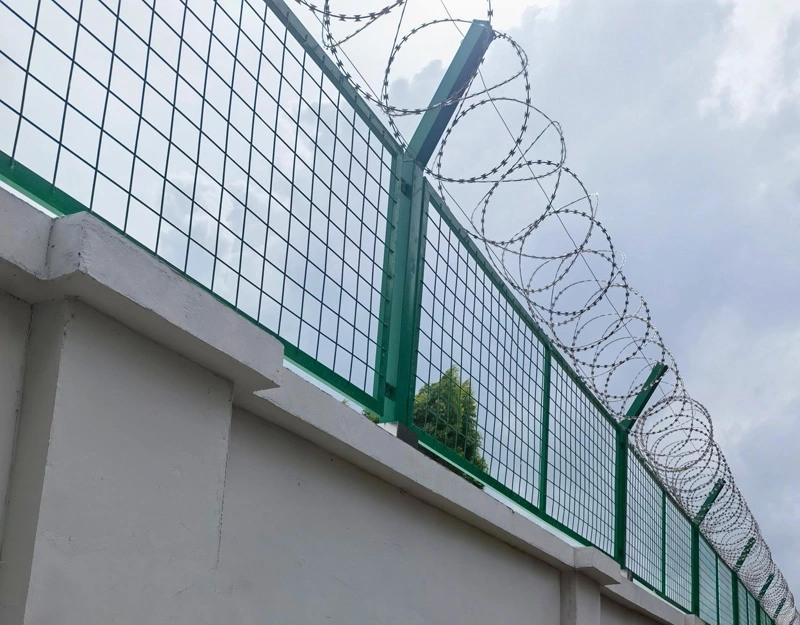
China's vast and rapidly expanding highway network is a testament to the country's commitment to infrastructure development. With this growth comes the necessity for effective roadside protection, ensuring the safety of both drivers and pedestrians. This comprehensive guide delves into the various aspects of China Highway fence, exploring its design, materials, installation, and maintenance. The importance of these barriers in reducing accidents and enhancing road safety cannot be overstated. From the technical specifications to the environmental impact, this report aims to provide a thorough understanding of how china highway fence contributes to the overall safety and efficiency of the nation's roadways.
The history of highway fences in China dates back to the early 20th century, with the first rudimentary barriers being installed along major roads. Over the decades, as the country's transportation network expanded, so did the need for more advanced and robust fence designs. Initially, simple wooden or metal posts were used, but as traffic volumes increased, the demand for stronger and more durable materials grew. Today, modern highway fences are engineered to meet stringent safety standards, incorporating advanced materials and technologies.
Advancements in materials science and engineering have led to the development of high-strength, corrosion-resistant fences. These include galvanized steel, aluminum, and composite materials. Modern manufacturing techniques, such as hot-dip galvanizing and powder coating, enhance the durability and lifespan of these fences. Additionally, the integration of smart technologies, such as sensors and monitoring systems, allows for real-time data collection and analysis, improving the overall management and maintenance of highway fences.
The design of a highway fence is crucial for its effectiveness in providing roadside protection. Key considerations include the height, spacing, and alignment of the fence. The height must be sufficient to prevent vehicles from breaching the barrier, while the spacing and alignment ensure that the fence can withstand the impact forces without collapsing. Additionally, the design must take into account the local topography and environmental conditions, such as wind loads and soil stability.
The choice of materials for highway fences is critical for their longevity and performance. Commonly used materials include galvanized steel, which offers excellent corrosion resistance and strength. Aluminum is another popular choice due to its lightweight and non-corrosive properties. Composite materials, such as fiberglass-reinforced polymers, are also gaining traction for their durability and low maintenance requirements. The selection of materials depends on the specific needs and conditions of the project, ensuring that the fence can withstand the rigors of the environment and traffic.
Proper installation is essential for the effectiveness of highway fences. The process typically involves site preparation, foundation work, and the assembly of the fence components. Site preparation includes clearing the area of debris and ensuring a stable base. Foundation work may involve pouring concrete footings or using ground anchors to secure the fence. The assembly of the fence components should follow the manufacturer's guidelines to ensure proper alignment and structural integrity. Regular inspections during the installation process help identify and address any issues, ensuring the fence meets the required standards.
Regular maintenance and inspection are crucial for the long-term performance of highway fences. This includes routine checks for signs of wear and tear, such as rust, corrosion, or damage from vehicle impacts. Repairs should be carried out promptly to prevent further deterioration. Additionally, periodic repainting or recoating may be necessary to maintain the fence's appearance and protect it from the elements. Advanced monitoring systems can also be employed to detect potential issues and schedule maintenance activities, ensuring the fence remains in optimal condition.
The use of eco-friendly materials and sustainable practices is becoming increasingly important in the construction of highway fences. Recycled materials, such as recycled steel and aluminum, can be used to reduce the environmental footprint. Additionally, the use of low-VOC (volatile organic compounds) coatings and paints helps minimize the release of harmful chemicals into the environment. Sustainable installation practices, such as minimizing soil disturbance and using energy-efficient equipment, also contribute to a more environmentally friendly approach.
Highway fences play a significant role in reducing the environmental impact of roadways. By preventing vehicles from leaving the road, they help to minimize the damage to surrounding vegetation and wildlife habitats. Additionally, well-maintained fences can reduce the need for frequent repairs and replacements, thereby reducing the overall carbon footprint associated with their production and installation. The long-term benefits of sustainable highway fences include reduced pollution, enhanced biodiversity, and a more resilient infrastructure.
China has established a set of national standards for highway fences, which are designed to ensure the safety and performance of these barriers. These standards cover various aspects, including material quality, design, and installation. Additionally, international standards, such as those set by the International Organization for Standardization (ISO), provide a framework for best practices and global consistency. Adhering to these standards ensures that highway fences meet the highest levels of safety and reliability, providing a benchmark for manufacturers and installers.
Compliance with regulatory standards is essential for the approval and acceptance of highway fences. Manufacturers and installers must undergo rigorous testing and certification processes to ensure that their products meet the required specifications. This includes third-party testing for strength, durability, and impact resistance. Certifications, such as the China Compulsory Certification (CCC), provide assurance that the fences have been tested and approved by recognized authorities. Regular audits and inspections help to maintain compliance and ensure that the fences continue to meet the required standards throughout their lifecycle.
The future of highway fences is likely to be shaped by emerging technologies and innovative solutions. One such technology is the use of smart fencing, which incorporates sensors and communication systems to monitor and manage the fence's performance in real-time. These systems can detect issues such as damage, corrosion, or unauthorized access, and alert maintenance teams to take action. Additionally, advancements in materials science, such as the development of self-healing materials and nanotechnology, hold promise for creating even more durable and resilient fences.
As the focus on sustainability and resilience continues to grow, the design and construction of highway fences will need to evolve to meet these new challenges. This includes the use of renewable and recycled materials, as well as the adoption of circular economy principles. Resilient infrastructure, capable of withstanding extreme weather events and other natural disasters, will also be a key consideration. Future innovations in highway fences will aim to balance safety, functionality, and environmental responsibility, ensuring that these barriers continue to play a vital role in protecting and enhancing the nation's roadways.




Leave a Reply