

 English
 China
China Thailand
 Malaysia
 Vietnam
 Laos
Laos Cambodia
 Pilipinas
 Indonesia
 Russian
 Portuguese
 Arabic
 Japanese
 Spanish
 Italian
 French
 German
News
- Home
- News
- Company News
The installation and maintenance of an airport anti climb fence is a critical aspect of ensuring the security and operational efficiency of any airport. This document aims to provide a comprehensive guide to installing and complying with regulations concerning airport anti climb fence systems, addressing key considerations such as design, materials, legal requirements, and best practices for maintenance.
Airports are high-risk environments that require robust security measures to prevent unauthorized access, theft, and potential terrorist activities. One of the primary physical barriers used in airports is the Airport anti climb fence. These fences are designed not only to deter but also to physically prevent individuals from scaling or cutting through them. The importance of these structures cannot be overstated; they form part of a multi-layered approach to securing the perimeter of an airport, working in conjunction with other security measures like surveillance cameras, patrols, and access control systems.
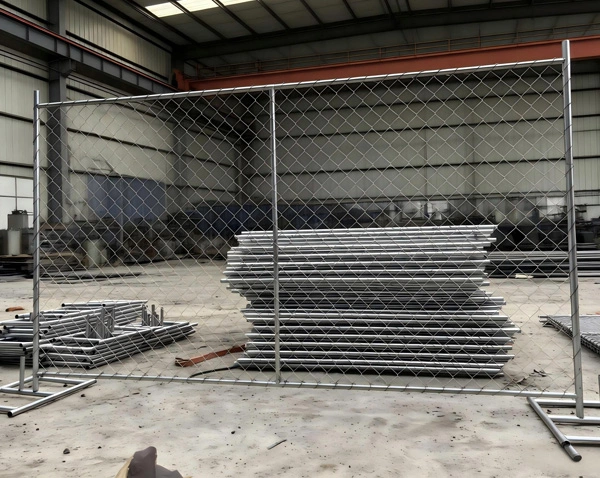
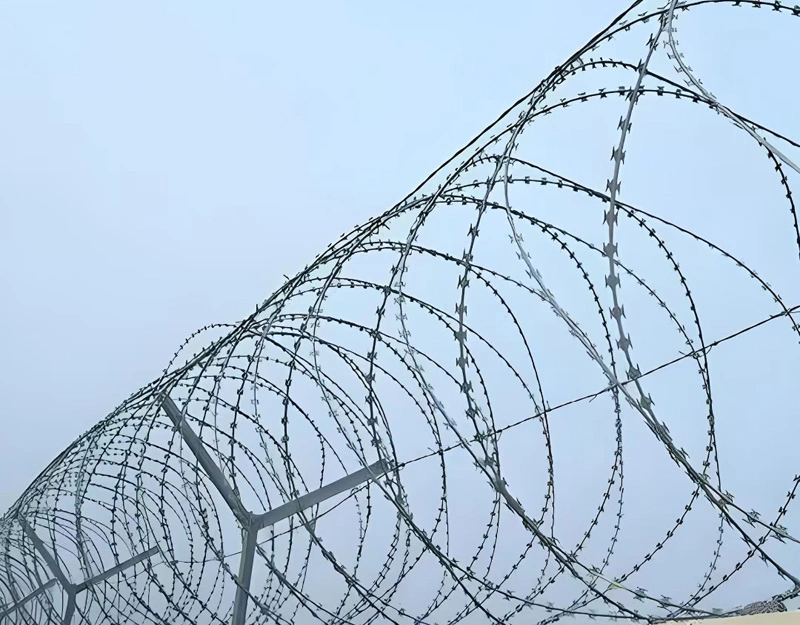
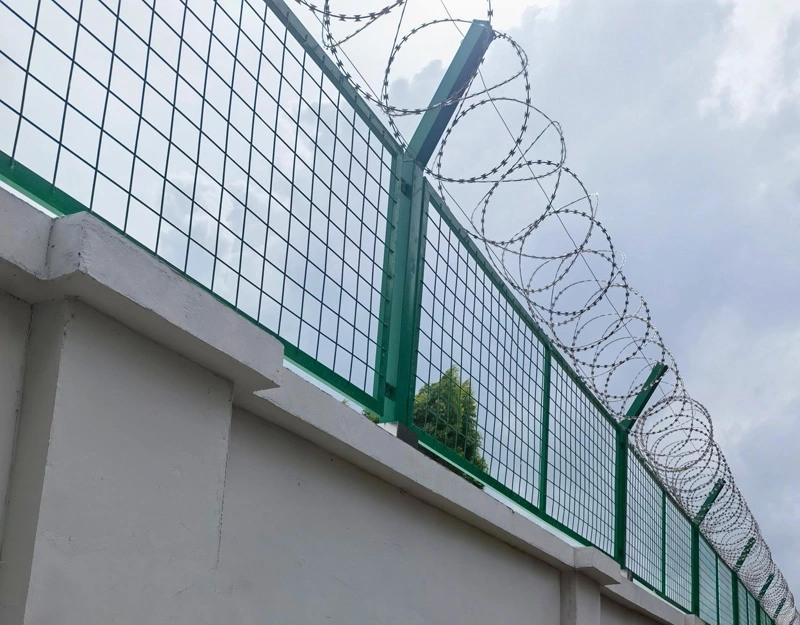
When designing an airport anti climb fence, several factors must be considered to ensure its effectiveness. Firstly, the height of the fence should be sufficient to make it difficult for people to climb over. Typically, this means a minimum height of 2.4 meters (8 feet), although specific requirements may vary depending on local laws and airport-specific needs. Additionally, the top of the fence often includes additional deterrents such as spikes or barbed wire, which further discourage attempts to scale the barrier.
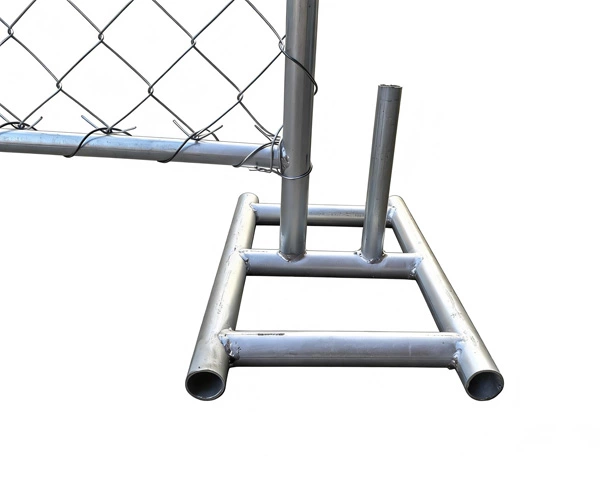
Material selection is another crucial aspect. The airport anti climb fence must be made from durable materials capable of withstanding environmental conditions and potential tampering. Common choices include galvanized steel, stainless steel, and aluminum, each offering different levels of strength, corrosion resistance, and cost-effectiveness. It's essential to balance these factors against the specific challenges faced by the airport, including weather, vandalism, and the need for long-term durability.
Compliance with national and international aviation security standards is non-negotiable when installing an airport anti climb fence. In many countries, there are specific guidelines and regulations that dictate the design, construction, and maintenance of airport perimeters. For example, the International Civil Aviation Organization (ICAO) provides detailed recommendations in its Annex 17, which covers all aspects of aviation security, including the use of physical barriers. Similarly, the Transportation Security Administration (TSA) in the United States has its own set of rules and guidelines for airport security, which must be adhered to.
Before beginning any installation project, it's imperative to consult with local authorities and review relevant documentation to ensure full compliance. This may involve obtaining permits, conducting site assessments, and engaging with security experts who can provide guidance on meeting all necessary standards. Failure to comply with these regulations can result in severe penalties, including fines, operational disruptions, and reputational damage.
Proper installation is key to the longevity and effectiveness of an airport anti climb fence. The process begins with a thorough site assessment, where soil conditions, terrain, and existing infrastructure are evaluated. Based on this information, a detailed plan is developed, outlining the exact location, dimensions, and any special features required. During the installation phase, it's important to follow manufacturer instructions closely, using appropriate tools and techniques to secure the fence firmly in place. Post-installation, regular inspections and maintenance checks are essential to identify and address any issues promptly, such as rust, damage, or wear and tear.
Regular maintenance not only extends the life of the airport anti climb fence but also ensures that it remains a reliable barrier against unauthorized access. Maintenance tasks may include cleaning, repainting, replacing damaged sections, and checking the integrity of fastenings and supports. By following these best practices, airports can ensure that their anti-climb fencing remains in optimal condition, providing a strong and effective line of defense.
While physical barriers like the airport anti climb fence are fundamental, integrating advanced technologies can significantly enhance overall security. Many modern airports are incorporating sensors, alarms, and intelligent monitoring systems into their perimeter defenses. These technologies can detect and alert security personnel to any attempts at breaching the fence, allowing for a rapid response. For example, fiber-optic sensors embedded within the fence can detect vibrations and movements, while thermal imaging cameras can provide clear visibility in low-light conditions. By combining these technological solutions with robust physical barriers, airports can create a highly secure and responsive perimeter protection system.
In conclusion, the installation and maintenance of an airport anti climb fence are critical components of a broader strategy to secure airport perimeters. By carefully considering design, materials, regulatory compliance, and best practices for installation and maintenance, airports can ensure that their anti-climb fencing is both effective and durable. Furthermore, integrating advanced technologies can provide an additional layer of security, enhancing the overall safety and operational efficiency of the airport. As the landscape of aviation security continues to evolve, it is essential for airports to stay informed and proactive in their approach to perimeter protection.

Leave a Reply