

 English
 China
China Thailand
 Malaysia
 Vietnam
 Laos
Laos Cambodia
 Pilipinas
 Indonesia
 Russian
 Portuguese
 Arabic
 Japanese
 Spanish
 Italian
 French
 German
News
- Home
- News
- Company News
The aviation industry is one of the most critical sectors in the global economy, not only for its economic impact but also for the security and safety it provides to millions of travelers. As airports continue to expand and modernize, ensuring their perimeter remains secure against unauthorized access has become a top priority. One of the key components in achieving this is through the installation of advanced airport anti-climb fences. This report delves into the cost-benefit analysis of upgrading traditional fencing systems to more sophisticated, modern airport anti-climb fence solutions, examining the financial, operational, and security benefits that such an upgrade can offer.
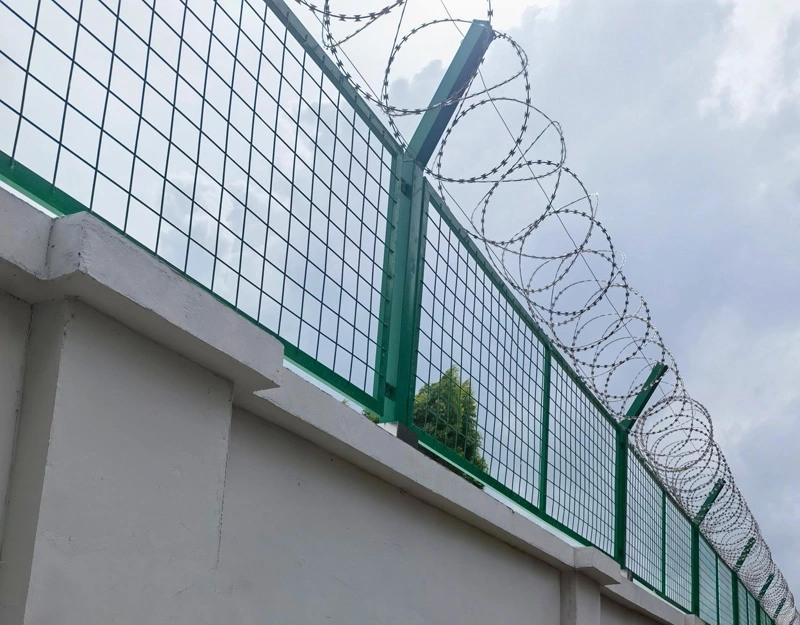
At the heart of any discussion about airport security lies the primary objective: preventing unauthorized individuals from entering restricted areas. Traditional fences, while effective to a certain extent, often fall short in providing the level of deterrence needed in today's increasingly complex security environment. Modern airport anti-climb fences, on the other hand, are designed with several features that significantly enhance their effectiveness in deterring potential intruders. These include:
By investing in these enhanced security measures, airports can significantly reduce the risk of unauthorized access, thereby protecting passengers, staff, and assets from potential threats.
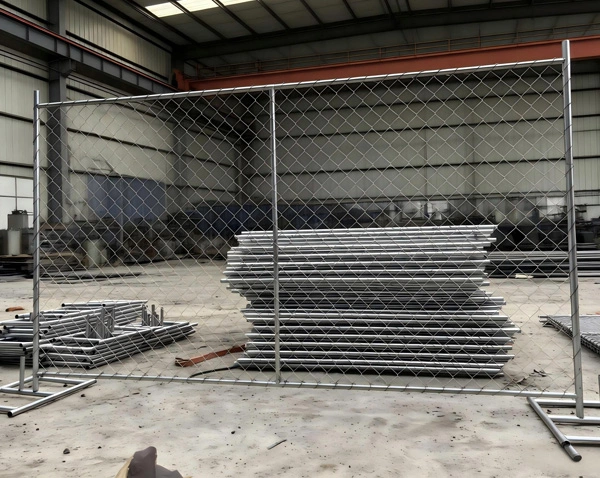
One of the major considerations when evaluating the cost-effectiveness of upgrading to modern airport anti-climb fences is the long-term savings associated with durability and maintenance. Traditional fencing materials, such as chain link, tend to deteriorate faster under harsh environmental conditions, leading to frequent repairs and replacements. In contrast, modern anti-climb fences are constructed using high-quality, corrosion-resistant materials like galvanized steel or aluminum, which offer greater longevity even in challenging environments. This increased durability translates directly into reduced maintenance costs over time, as fewer repairs and replacements are required. Additionally, many newer models come with warranties that cover defects and wear, further protecting the investment.
Moreover, the integration of smart technologies within these fences, such as automated monitoring and alert systems, can help identify issues before they escalate, allowing for proactive maintenance rather than reactive fixes. This not only saves money but also ensures that the fence remains in optimal condition, continuously providing the highest level of security.
Upgrading to a modern airport anti-climb fence also brings significant improvements in operational efficiency. By incorporating advanced technologies, such as those mentioned earlier, airports can streamline their security operations, reducing the need for manual patrols and freeing up resources for other critical tasks. Automated systems can monitor the entire perimeter 24/7, sending immediate alerts to security personnel in case of any suspicious activity. This not only enhances the response time but also allows for a more focused and efficient deployment of human resources.
Furthermore, compliance with international and national regulations regarding airport security is non-negotiable. Many regulatory bodies, including the International Civil Aviation Organization (ICAO) and the Transportation Security Administration (TSA), have specific guidelines concerning the type and quality of fencing used around airports. Investing in modern airport anti-climb fences ensures that an airport meets or exceeds these standards, avoiding potential fines or penalties due to non-compliance. It also demonstrates a commitment to maintaining the highest levels of security, which can positively influence public perception and trust in the airport’s ability to protect its users.
When considering the cost-benefit analysis of upgrading to modern airport anti-climb fences, it becomes clear that the initial investment is well justified by the numerous advantages offered. Enhanced security, long-term cost savings through durability and maintenance, and improved operational efficiency all contribute to making this upgrade a strategic decision for any airport looking to strengthen its perimeter protection. As the aviation sector continues to evolve, staying ahead in terms of security technology will remain a crucial factor in ensuring the safe and efficient operation of airports worldwide.


Leave a Reply