

 English
 China
China Thailand
 Malaysia
 Vietnam
 Laos
Laos Cambodia
 Pilipinas
 Indonesia
 Russian
 Portuguese
 Arabic
 Japanese
 Spanish
 Italian
 French
 German
News
- Home
- News
- Company News
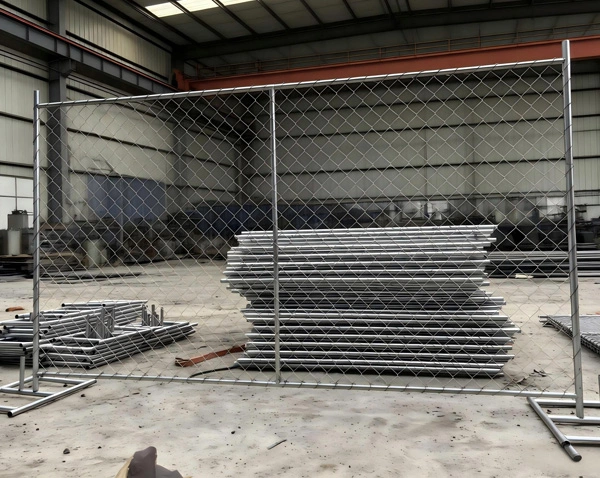
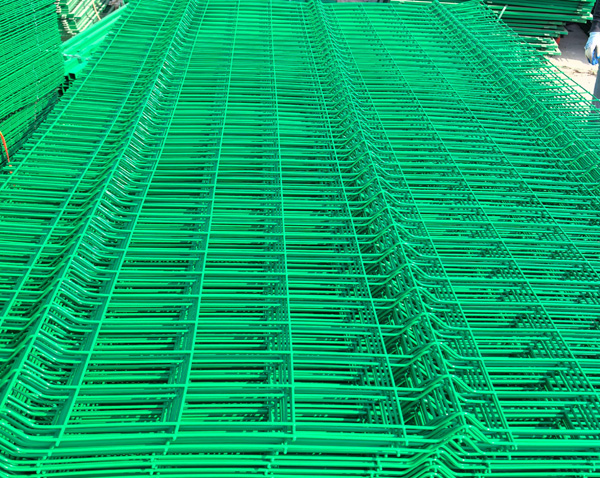
industrial fence panels made in China have become increasingly popular across the globe, thanks to their durability, cost-effectiveness, and versatility. These fencing solutions are not only used for security purposes but also play a crucial role in enhancing the aesthetic appeal of industrial sites. Understanding the materials utilized in these products is essential for anyone looking to invest in or work with such items. This report delves into the key aspects of the materials commonly found in Chinese industrial fence panels, providing insights that can help make informed decisions regarding their selection and application.
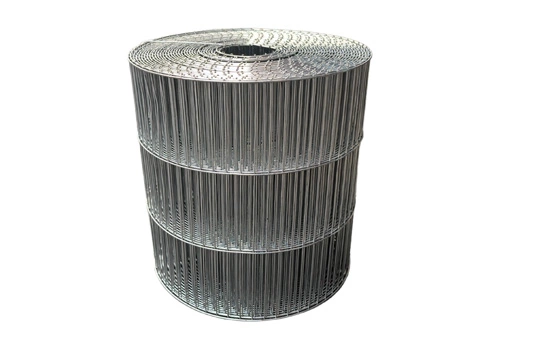
Steel, especially when treated and coated properly, forms the backbone of many industrial Fence panels manufactured in China. Its strength, coupled with its ability to withstand harsh environmental conditions, makes it an ideal choice for creating robust barriers.
There are primarily two types of steel used: carbon steel and stainless steel. Carbon steel, due to its lower cost and sufficient strength, is more commonly used in large-scale projects. On the other hand, stainless steel, though more expensive, offers superior resistance against corrosion, making it perfect for applications where longevity and appearance are paramount.
To enhance the durability and lifespan of steel fence panels, manufacturers often employ various treatment and coating processes. Galvanization, which involves applying a protective zinc layer, is one of the most common methods. Additionally, powder coating, a process that applies a dry powder electrostatically and then cures it under heat, provides both protection and a wide range of color options, contributing to the overall visual appeal of the fences.
While steel dominates the market, aluminum has emerged as a strong contender, particularly for projects requiring lightweight yet durable fencing solutions. The use of aluminum in industrial fence panels made in China highlights the industry's commitment to innovation and meeting diverse customer needs.
Aluminum's primary advantage lies in its weight-to-strength ratio; it is much lighter than steel, making installation easier and reducing transportation costs. Moreover, like stainless steel, aluminum exhibits excellent resistance to rust and corrosion, ensuring a longer service life with minimal maintenance. This characteristic is especially beneficial in coastal areas or regions with high humidity levels.
Another significant benefit of using aluminum is its malleability, allowing for intricate designs and customization. Manufacturers can create complex shapes and patterns without compromising on structural integrity, thus offering customers a wider range of aesthetically pleasing options. This flexibility in design not only enhances the visual appeal of industrial sites but also allows for better integration with existing architectural elements.
As technology advances, so does the material science behind industrial fence panels. One of the most exciting developments in recent years is the incorporation of composite materials, which combine the best properties of multiple substances to produce fencing solutions that are both highly functional and environmentally friendly.
Composite materials typically consist of a blend of plastic and wood fibers, resulting in a product that is stronger, more weather-resistant, and longer-lasting than traditional wooden fences. These composites are designed to mimic the look of natural wood while avoiding issues such as rotting, warping, or insect damage. Furthermore, they require very little maintenance, making them a cost-effective option over the long term.
One of the key advantages of using composite materials in industrial fence panels is their reduced environmental impact. Many of these composites utilize recycled plastics and reclaimed wood, significantly lowering the demand for new raw materials. Additionally, the manufacturing process for these materials generally produces less waste and emissions compared to traditional metal or wood production. As sustainability becomes an increasingly important factor in industrial projects, the adoption of composite fencing solutions is likely to grow, further solidifying China's position as a leader in innovative and eco-friendly fencing technologies.
By understanding the materials used in Chinese industrial fence panels, stakeholders can make more informed choices about which type of fencing will best suit their specific needs. Whether prioritizing strength, aesthetics, or environmental considerations, the variety of available options ensures that there is a solution for every project. As the industry continues to evolve, it is clear that the future of industrial fencing will be shaped by ongoing advancements in material science and a growing emphasis on sustainability.

Leave a Reply