

 English
 China
China Thailand
 Malaysia
 Vietnam
 Laos
Laos Cambodia
 Pilipinas
 Indonesia
 Russian
 Portuguese
 Arabic
 Japanese
 Spanish
 Italian
 French
 German
News
- Home
- News
- Company News
With the increasing demand for secure and durable fencing solutions, industrial fence panels made in China have become a popular choice among businesses and property owners worldwide. This report aims to assess the quality of these products, focusing on their manufacturing processes, material selection, and overall durability. Understanding these aspects can help potential buyers make informed decisions about whether or not to invest in Chinese-made industrial fence panels.
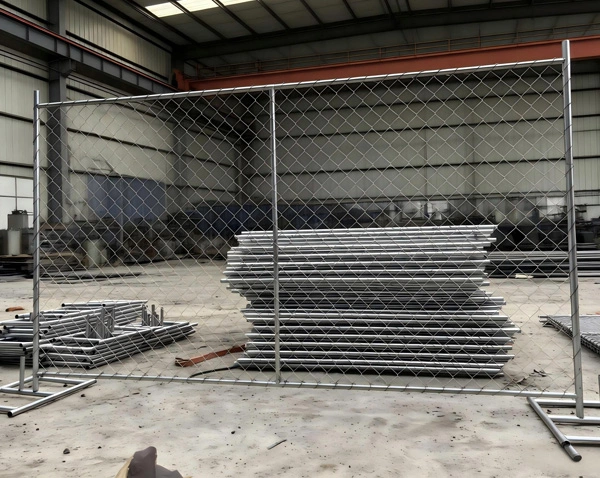
The first aspect to consider when evaluating the quality of industrial Fence panels made in China is the modernization level of the manufacturing facilities. Over recent years, there has been a significant investment in upgrading factories with state-of-the-art equipment. Automated production lines, computer-aided design (CAD) systems, and advanced welding technologies contribute to higher precision and consistency in the final product. These advancements ensure that each panel meets strict dimensional tolerances, reducing the likelihood of defects or inconsistencies that could compromise the fence's integrity.
Beyond just having the right tools, implementing rigorous quality control measures is essential for maintaining high standards throughout the production process. Leading manufacturers in China adhere to international quality management system certifications such as ISO 9001. This involves regular inspections at every stage of production, from raw material selection to the final packaging. By following these stringent protocols, companies can identify and rectify any issues early on, thereby enhancing the overall reliability and longevity of the industrial fence panels produced.
The choice of materials plays a crucial role in determining the strength and lifespan of industrial fence panels. In China, top-tier producers utilize high-grade metals like galvanized steel, stainless steel, and aluminum. Galvanized steel, for instance, offers excellent resistance against corrosion, making it ideal for outdoor applications where exposure to moisture and harsh weather conditions is common. Similarly, stainless steel provides superior rust protection and aesthetic appeal, while aluminum ensures lightweight yet robust structures. Each type of metal comes with its own set of advantages, catering to specific needs and preferences within various industrial settings.
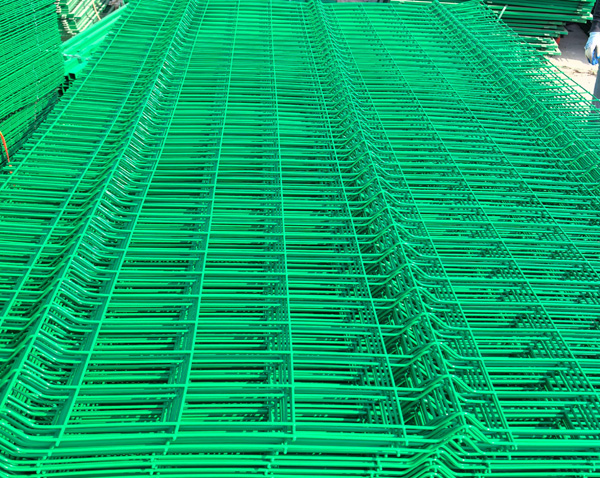
In addition to selecting premium base materials, the application of protective coatings and finishes further enhances the durability of industrial fence panels. Powder coating, one of the most widely used methods, creates a hard, durable finish that resists chipping, scratching, and fading. It also provides an additional layer of protection against environmental factors, extending the life of the fence. Other treatments, such as hot-dip galvanization, add another level of corrosion resistance by covering the metal with a thick layer of zinc. These finishing techniques are critical in ensuring that the fences remain in optimal condition over extended periods, even under challenging conditions.
To guarantee the reliability of industrial fence panels, thorough testing is indispensable. Manufacturers in China subject their products to a series of tests, including tensile strength, impact resistance, and weathering simulations. Tensile strength tests evaluate the material’s ability to withstand stretching without breaking, while impact resistance tests determine how well the panels can absorb and distribute force from external impacts. Weathering simulations, on the other hand, replicate real-world conditions such as UV exposure, temperature fluctuations, and humidity, providing insights into the long-term performance of the fence. These comprehensive testing procedures help ensure that the panels meet or exceed industry standards and customer expectations.
Real-world performance and customer feedback are invaluable indicators of the quality and durability of industrial fence panels. Many manufacturers in China actively seek out feedback from their clients, using this information to continuously improve their products. Case studies and testimonials from satisfied customers provide concrete evidence of the effectiveness and longevity of the fences. For example, installations in areas with extreme weather conditions, such as coastal regions or high-traffic industrial zones, demonstrate the panels' ability to perform reliably over time. By examining these real-world examples, potential buyers can gain confidence in the quality and durability of industrial fence panels made in China.
In conclusion, the quality of industrial fence panels made in China is supported by modern manufacturing processes, the use of high-grade materials, and rigorous testing. These factors collectively contribute to the production of reliable and durable fencing solutions that meet the demands of various industrial and commercial applications. By understanding the key aspects of their production, buyers can make informed decisions and invest in products that will stand the test of time.
Leave a Reply