

 English
 China
China Thailand
 Malaysia
 Vietnam
 Laos
Laos Cambodia
 Pilipinas
 Indonesia
 Russian
 Portuguese
 Arabic
 Japanese
 Spanish
 Italian
 French
 German
News
- Home
- News
- Company News
When it comes to securing a property, selecting the right type of fence is crucial. Among the various options available, the Cyclone Fence stands out due to its durability and cost-effectiveness. This report aims to provide an in-depth analysis of the benefits and drawbacks associated with installing a Cyclone Fence. By examining these aspects, we can better understand how such a fencing solution might fit into different contexts, whether residential, commercial, or industrial.
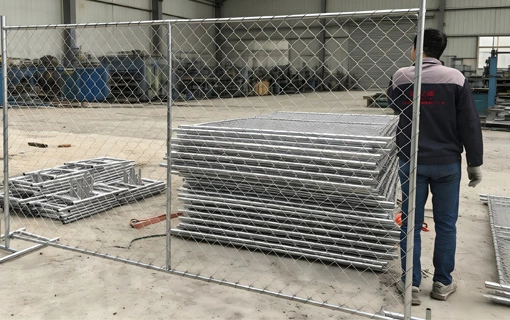
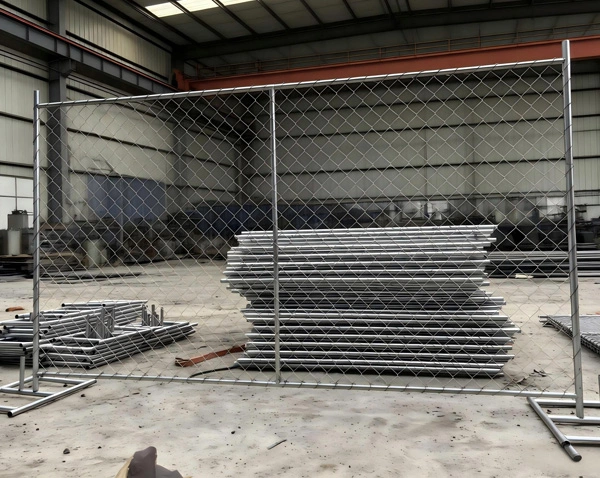
The primary material used in constructing a Cyclone Fence is galvanized steel wire, which is woven into a diamond pattern. This design not only contributes to the fence's aesthetic appeal but also enhances its structural integrity. The galvanization process involves coating the Steel Wires with zinc, providing a protective layer that guards against rust and corrosion. This makes the Cyclone Fence highly resistant to weathering, ensuring a longer lifespan compared to many other types of fences. In environments where exposure to harsh weather conditions is common, such as coastal areas or regions with high humidity, the durability of a Cyclone Fence becomes particularly advantageous. However, it's worth noting that while the galvanized finish offers excellent protection, over time, especially in extremely corrosive environments, the fence may still require maintenance to prevent deterioration.
One of the most significant advantages of choosing a Cyclone Fence is its cost-effectiveness. Compared to alternatives like wooden or ornamental metal fences, Cyclone Fences are generally more affordable both in terms of initial purchase price and long-term maintenance. The straightforward design of the Cyclone Fence allows for quick and easy installation, which can be a critical factor in large-scale projects where time is of the essence. Additionally, because the components are lightweight yet strong, they can be transported and assembled without requiring heavy machinery, further reducing costs. It’s important, however, to consider the total cost of ownership, including any potential future repairs or replacements, when evaluating the overall value proposition of a Cyclone Fence.
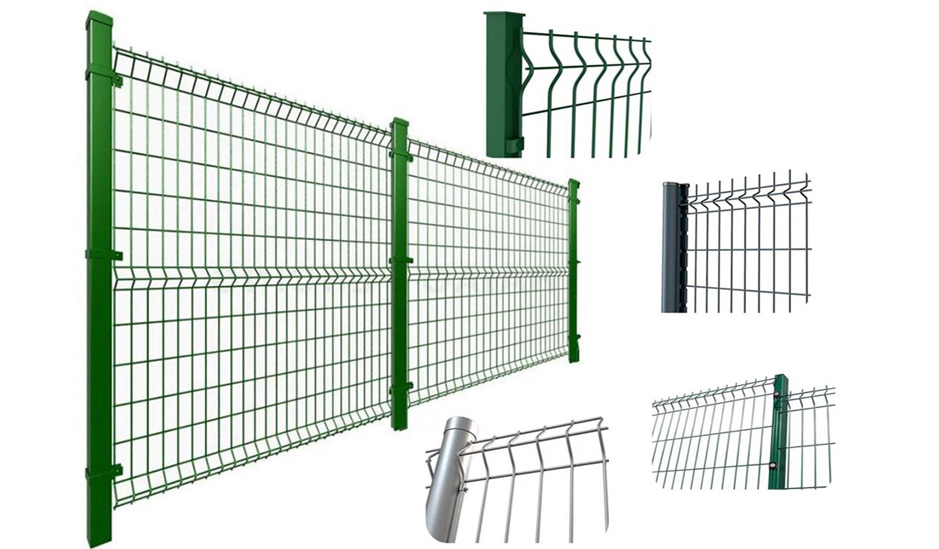
A key feature that sets the Cyclone Fence apart from other fencing solutions is its versatility. This type of fence can be adapted to suit a wide range of applications, from securing construction sites and industrial zones to enclosing residential properties and sports fields. Its modular design means that sections can be easily added or removed as needed, allowing for flexibility in layout and size. Moreover, the height and spacing of the mesh can be adjusted to meet specific security requirements, making it suitable for areas where visibility is necessary (e.g., around schools or public spaces) or where privacy is less of a concern. Despite its adaptability, one limitation of the Cyclone Fence is that it may not offer the same level of privacy as solid barriers, which could be a drawback in certain settings.
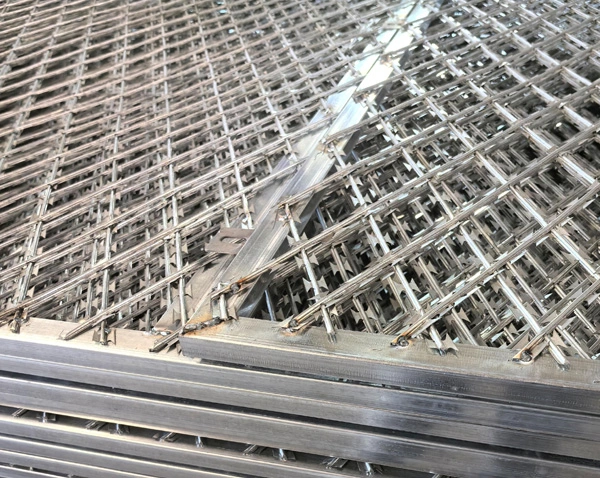
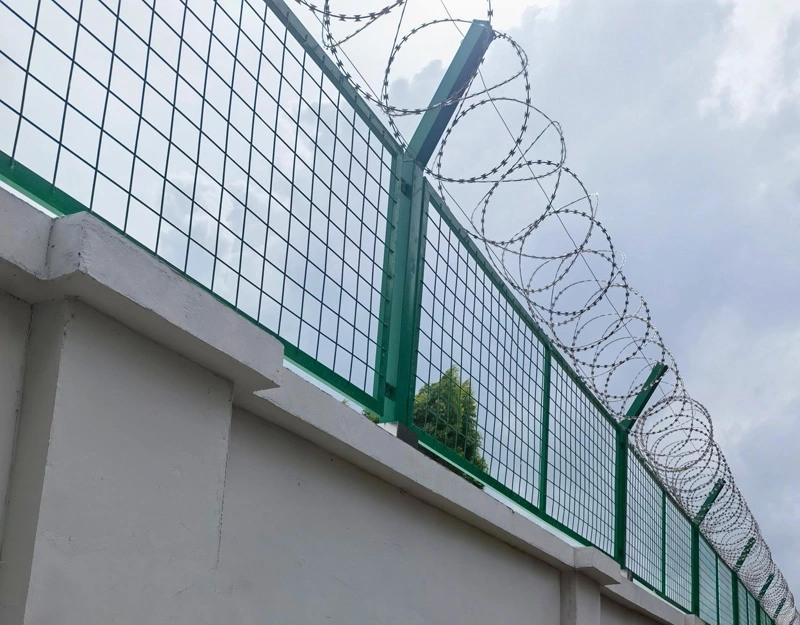
From a security standpoint, the Cyclone Fence provides a robust barrier that deters unauthorized access. The tight weave of the wire mesh makes it difficult for intruders to climb over, and the addition of barbed wire at the top can significantly enhance this deterrent effect. Furthermore, the open design of the fence allows for clear sightlines, enabling surveillance and monitoring, which is beneficial in preventing criminal activities. On the aesthetic side, while some may find the utilitarian look of a Cyclone Fence appealing, others might prefer a more decorative option. To address this, manufacturers now offer vinyl-coated versions in various colors, which can blend more harmoniously with the surrounding environment. Nevertheless, the basic appearance of a Cyclone Fence remains somewhat utilitarian, which might not align with the aesthetic preferences of all property owners.
Proper maintenance is essential to extend the lifespan of a Cyclone Fence. Regular inspections should be conducted to check for signs of wear and tear, such as loose wires or corrosion. Any issues identified should be addressed promptly to prevent further damage. Cleaning the fence periodically with water and mild detergent can help remove dirt and debris, maintaining its appearance and functionality. In cases where the galvanized coating has worn off, applying a fresh coat of paint or a similar protective treatment can help restore the fence's resistance to corrosion. While the Cyclone Fence is designed to be durable, neglecting regular maintenance can lead to premature degradation, thereby reducing its effectiveness and longevity.
When considering the environmental impact of a Cyclone Fence, several factors come into play. The use of steel, a recyclable material, contributes positively to sustainability, as it can be repurposed at the end of its life cycle. However, the production of steel is energy-intensive and can have a significant carbon footprint. Additionally, the galvanization process, while effective in protecting the fence, involves the use of chemicals that, if not properly managed, can pose risks to the environment. To mitigate these concerns, it is advisable to choose suppliers who adhere to sustainable practices and environmentally friendly manufacturing processes. Furthermore, the long service life of a Cyclone Fence means that it requires less frequent replacement, reducing waste and the demand for new resources over time.
In conclusion, the decision to install a Cyclone Fence should be based on a thorough evaluation of its benefits and drawbacks, taking into account the specific needs and context of the property. While it offers substantial advantages in terms of durability, cost-effectiveness, and security, it also has limitations in terms of privacy and aesthetic appeal. By carefully weighing these factors, property owners can make an informed choice that best meets their requirements.

Leave a Reply