

 English
 China
China Thailand
 Malaysia
 Vietnam
 Laos
Laos Cambodia
 Pilipinas
 Indonesia
 Russian
 Portuguese
 Arabic
 Japanese
 Spanish
 Italian
 French
 German
News
- Home
- News
- Company News
In the realm of urban traffic management, ensuring the safety and efficiency of transportation systems is paramount. This technical report delves into the essential traffic safety products designed for urban areas, focusing on their role in mitigating risks, enhancing visibility, and improving overall road user experience. The integration of fine mesh technologies in certain applications, such as pedestrian barriers and protective screens, highlights the innovative approaches to safeguarding both individuals and infrastructure. By examining various solutions, from advanced signage to intelligent traffic control systems, this document aims to provide a comprehensive overview of how these elements contribute to creating safer, more navigable cities.
Reflective materials play a crucial role in enhancing nighttime visibility, which is a significant factor in reducing accidents. These materials, often used in road signs, lane markers, and pedestrian clothing, reflect light back to its source, making it easier for drivers to see obstacles and other road users. This increased visibility is particularly important in urban settings where street lighting may not always be sufficient or consistent.
Modern signage systems, incorporating digital displays and real-time updates, are transforming how information is communicated to drivers. These systems can adapt to changing conditions, providing up-to-the-minute alerts about road closures, detours, or hazardous situations. Such dynamic communication tools are vital in densely populated urban environments, where quick and accurate information can prevent accidents and reduce congestion.
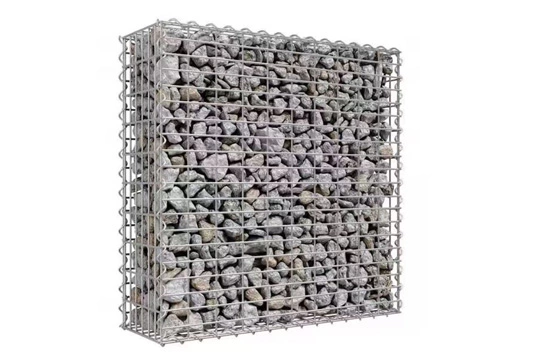
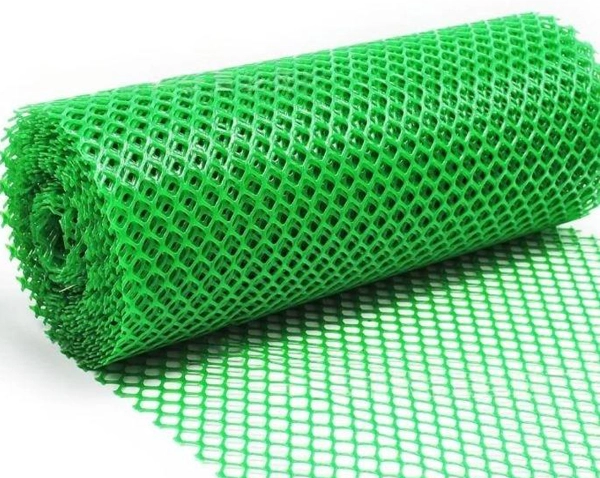
Fine mesh technology is increasingly being utilized in the design of pedestrian barriers due to its strength and flexibility. Unlike traditional solid barriers, fine mesh allows for better air circulation and visual permeability, without compromising on safety. This makes it an ideal solution for busy urban intersections and public spaces, where maintaining clear sightlines is as important as physical protection.
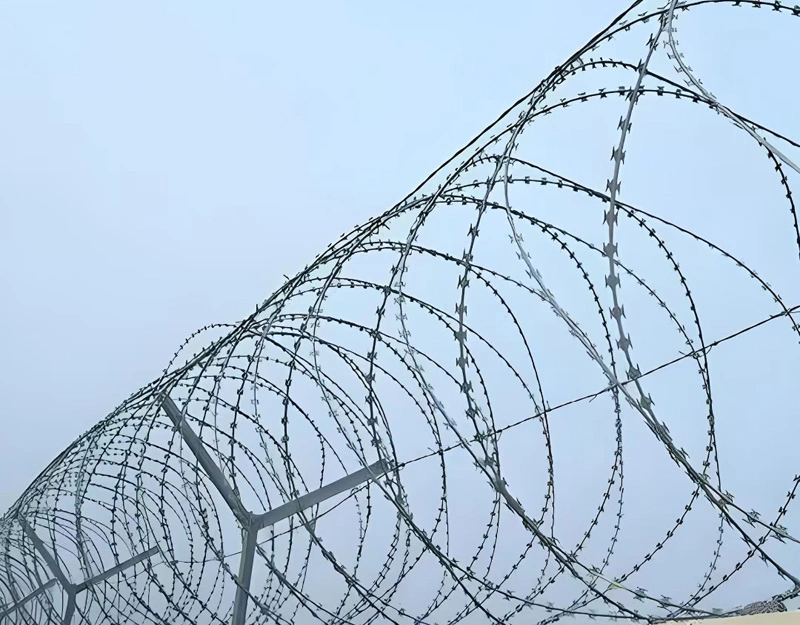
When designing physical barriers, several factors must be considered to ensure they are effective and safe. These include the material's durability under various weather conditions, its impact resistance, and how easily it can be maintained. Additionally, the aesthetic integration of these barriers into the urban landscape is also crucial, as they should complement the surrounding environment rather than detract from it.
Adaptive traffic signals use sensors and algorithms to adjust signal timings based on real-time traffic conditions. This technology significantly reduces waiting times at intersections, improves traffic flow, and decreases fuel consumption and emissions. In urban areas, where traffic patterns can be highly variable, adaptive signals offer a flexible and responsive solution to managing vehicle movements.
The integration of data analytics into traffic management systems enables predictive modeling, allowing city planners to anticipate and prepare for future traffic scenarios. By analyzing historical data and current trends, these systems can forecast potential congestion points and suggest proactive measures to mitigate them. This forward-looking approach is essential for maintaining smooth traffic operations in growing urban centers.
Urban roads and highways are often bordered by residential areas, commercial zones, or natural landscapes that need protection from noise and debris. Fine mesh screens are an effective solution for mitigating these issues. They can be designed to absorb sound waves and trap airborne particles, thereby reducing the environmental impact of vehicular traffic on nearby communities.
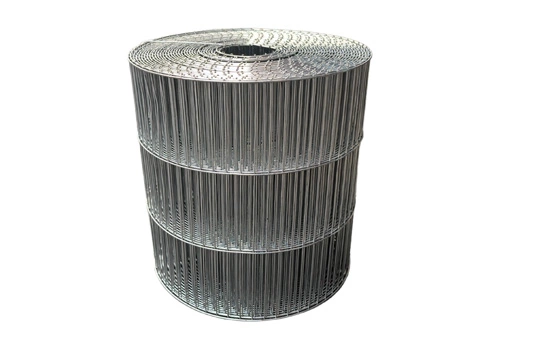
Choosing the right material for protective screens is critical for their long-term effectiveness. Fine mesh screens made from corrosion-resistant materials, such as stainless steel or coated fabrics, offer durability and longevity. Regular maintenance, including cleaning and inspection, is also necessary to ensure that these screens continue to perform optimally over time.
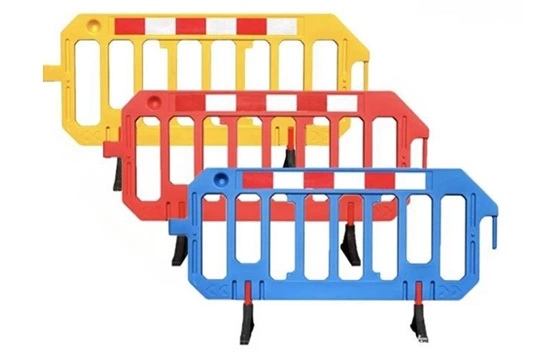
Effective incident management in urban areas requires rapid response and efficient handling. Rapid deployment systems, such as portable barriers and temporary signage, allow emergency services to quickly set up a safe perimeter around an accident site. These systems are designed to be easy to transport and install, minimizing disruption to traffic and ensuring the safety of first responders and bystanders.
Modern communication technologies, such as GPS tracking and mobile apps, are essential for coordinating emergency responses. These tools enable real-time communication between different agencies and personnel, ensuring that all parties are informed and working together efficiently. This level of coordination is crucial in urban environments, where incidents can have far-reaching effects on traffic and public safety.
Leave a Reply