

 English
 China
China Thailand
 Malaysia
 Vietnam
 Laos
Laos Cambodia
 Pilipinas
 Indonesia
 Russian
 Portuguese
 Arabic
 Japanese
 Spanish
 Italian
 French
 German
News
- Home
- News
- Company News
In the realm of material science and engineering, fine mesh plays a pivotal role across various industries due to its unique properties and versatile applications. This technical report delves into the significance of fine mesh, exploring its fabrication, types, and how it is utilized in different sectors. We will examine the impact of fine mesh on filtration, separation, and other critical processes, highlighting its importance in enhancing efficiency and performance. Additionally, this report will discuss the future trends and potential innovations that could further expand the utility of fine mesh in emerging technologies.
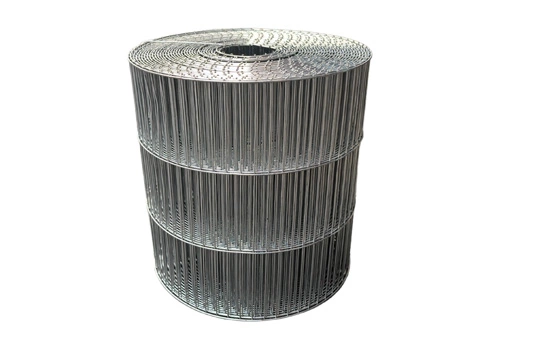
Fine mesh can be made from a variety of materials, including stainless steel, nylon, and polyester. Each material offers distinct advantages, such as corrosion resistance, flexibility, and durability. The choice of material depends on the specific application and the environmental conditions it will be subjected to. For example, stainless steel fine mesh is often used in high-temperature and corrosive environments, while nylon and polyester meshes are preferred for their lightweight and flexible nature.
The physical properties of fine mesh, such as pore size, wire diameter, and open area, are crucial in determining its performance. Pore size, in particular, is a key factor in filtration and separation processes. A smaller pore size allows for more precise filtration, but it may also reduce the flow rate. Conversely, a larger pore size increases the flow rate but may not provide the same level of filtration precision. The wire diameter and open area also influence the strength and permeability of the mesh, making them important considerations in design and application.
Fine mesh is extensively used in industrial filtration systems to remove contaminants from liquids and gases. In the chemical industry, fine mesh filters are employed to purify process fluids, ensuring that the final product meets the required quality standards. Similarly, in the food and beverage industry, fine mesh is used to filter out impurities from beverages, such as beer and wine, to achieve a clear and consistent product. The use of fine mesh in these applications not only enhances the quality of the end product but also extends the lifespan of equipment by preventing the buildup of debris.
In environmental applications, fine mesh is used for air and water purification. Air filters with fine mesh can effectively capture particulate matter, reducing pollution and improving air quality. Water treatment plants utilize fine mesh screens to remove suspended solids and microorganisms, ensuring that the water is safe for consumption. The effectiveness of fine mesh in these applications is attributed to its ability to provide a high surface area for interaction with the contaminants, resulting in efficient removal and improved environmental outcomes.
Fine mesh is a critical component in the manufacturing of medical devices, such as stents and surgical meshes. These devices require high precision and biocompatibility, and fine mesh provides the necessary structural integrity and porosity. For example, stents made from fine mesh are used to keep blood vessels open, and they must be able to withstand the pressure of blood flow while allowing for the passage of cells and nutrients. The use of fine mesh in medical devices has significantly improved patient outcomes and reduced the risk of complications.
In the pharmaceutical industry, fine mesh is used in the production of tablets and capsules. During the manufacturing process, fine mesh sieves are used to ensure that the powdered ingredients are of uniform size, which is essential for the consistency and efficacy of the final product. Additionally, fine mesh is used in the filtration of liquid medications to remove any impurities or particles that could affect the drug's stability and effectiveness. The use of fine mesh in pharmaceutical production ensures that the products meet the stringent quality and safety standards set by regulatory bodies.
Advancements in material science are leading to the development of new and improved fine mesh materials. For example, nanomaterials and smart polymers are being explored for their enhanced properties, such as self-cleaning capabilities and adaptive filtration. These advanced materials have the potential to revolutionize the use of fine mesh in various industries, offering higher performance and longer lifespans. The integration of these materials into existing and new applications is expected to drive innovation and improve overall efficiency.
The integration of fine mesh with smart technologies and the Internet of Things (IoT) is another exciting trend. Smart filters equipped with sensors and monitoring systems can provide real-time data on the condition of the mesh and the quality of the filtered media. This data can be used to optimize the filtration process, predict maintenance needs, and prevent system failures. The use of IoT in fine mesh applications is expected to enhance operational efficiency and reduce downtime, making it a valuable tool for industries that rely heavily on filtration and separation processes.
While fine mesh offers numerous benefits, its implementation can be challenging due to cost and manufacturing complexity. High-quality fine mesh, especially those made from advanced materials, can be expensive to produce. Additionally, the precision required in the manufacturing process can add to the overall cost. Industries must carefully consider the trade-offs between the initial investment and the long-term benefits of using fine mesh. In some cases, the cost savings from improved efficiency and reduced maintenance can justify the higher upfront costs.
The environmental impact of fine mesh production and disposal is another important consideration. The manufacturing process can generate waste and emissions, and the disposal of used fine mesh can contribute to environmental pollution. To address these concerns, efforts are being made to develop more sustainable and eco-friendly fine mesh materials. Recycling and reusing fine mesh is also being explored as a way to reduce waste and minimize the environmental footprint. As industries become more environmentally conscious, the development of sustainable fine mesh solutions will be a key focus.


Leave a Reply