

 English
 China
China Thailand
 Malaysia
 Vietnam
 Laos
Laos Cambodia
 Pilipinas
 Indonesia
 Russian
 Portuguese
 Arabic
 Japanese
 Spanish
 Italian
 French
 German
News
- Home
- News
- Company News
Corrosion-resistant wire panels are essential components in various industries, from construction and manufacturing to agriculture and marine applications. These materials not only enhance the durability and lifespan of structures but also contribute to overall safety. In this report, we will explore the top five materials for corrosion-resistant wire panels, each with its unique properties and benefits.
Corrosion is a natural process that degrades metal over time, leading to structural failures and increased maintenance costs. Corrosion-resistant wire panels are designed to withstand harsh environmental conditions, such as high humidity, saltwater, and chemical exposure. By using these materials, industries can significantly reduce the risk of corrosion, ensuring the longevity and reliability of their installations.
Stainless steel is one of the most popular choices for corrosion-resistant wire panels. It is an alloy of iron, chromium, and other elements, which form a protective layer on the surface. This layer prevents oxygen and moisture from penetrating the material, thereby reducing the risk of rust and corrosion. Stainless steel is highly durable and resistant to both atmospheric and chemical corrosion, making it ideal for a wide range of applications, including outdoor fencing, industrial machinery, and marine environments.
One of the key advantages of stainless steel is its versatility. It comes in various grades, each with specific properties tailored to different needs. For example, 304-grade stainless steel is commonly used in general-purpose applications, while 316-grade stainless steel offers enhanced resistance to chloride corrosion, making it suitable for coastal and marine settings.
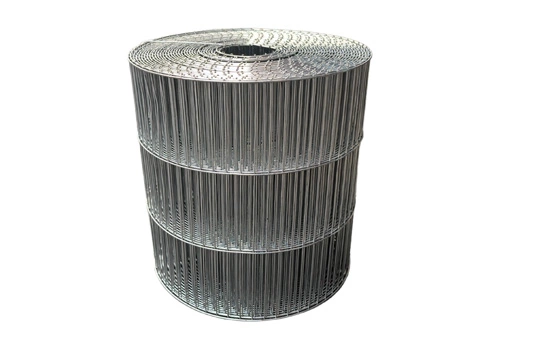
Galvanized steel is another widely used material for corrosion-resistant wire panels. The galvanization process involves coating the steel with a layer of zinc, which acts as a barrier against corrosion. When exposed to the environment, the zinc layer forms a protective patina that shields the underlying steel from moisture and oxygen. Galvanized steel is cost-effective and provides excellent corrosion resistance, making it a popular choice for agricultural fencing, highway guardrails, and other outdoor structures.
Galvanized steel is also known for its durability and low maintenance requirements. The zinc coating can last for decades, even in harsh environments, and requires minimal upkeep. However, it is important to note that galvanized steel may not be as resistant to certain chemicals as stainless steel, so it is essential to choose the right material based on the specific application.
Aluminum is a lightweight and highly corrosion-resistant material, making it an excellent choice for wire panels. Unlike steel, aluminum does not rust; instead, it forms a thin, protective oxide layer on the surface when exposed to air. This layer prevents further corrosion and extends the life of the material. Aluminum wire panels are commonly used in architectural applications, such as decorative fencing, balcony railings, and outdoor furniture.
One of the key benefits of aluminum is its weight. It is much lighter than steel, which makes it easier to handle and install. Additionally, aluminum is highly malleable and can be easily shaped into various designs, offering greater flexibility in terms of aesthetics and functionality. However, it is important to note that aluminum is softer than steel and may not be as strong, so it is best suited for applications where strength is not the primary concern.
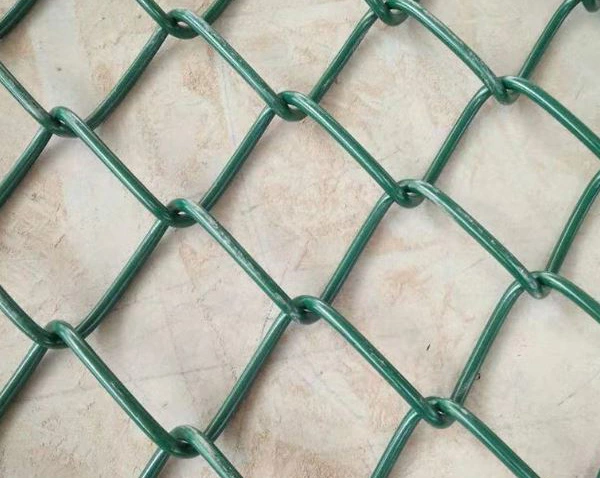
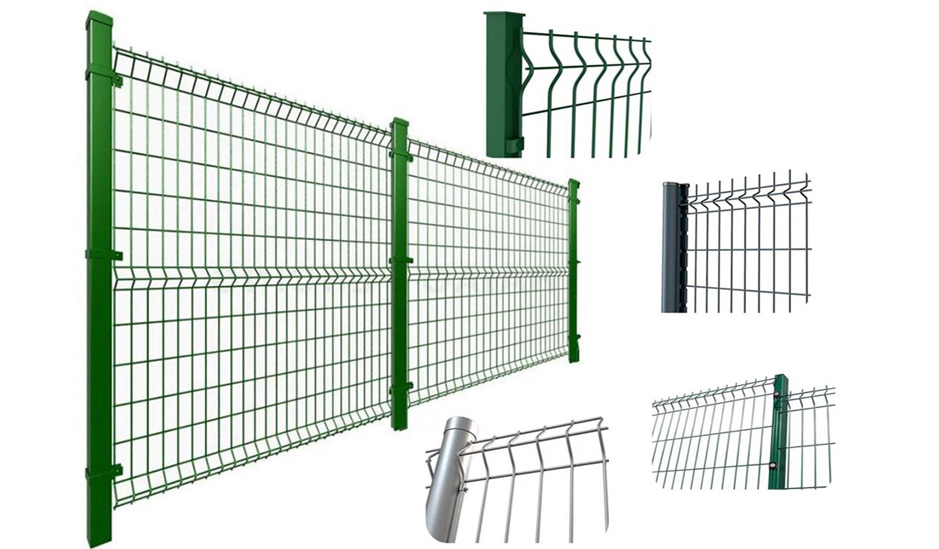
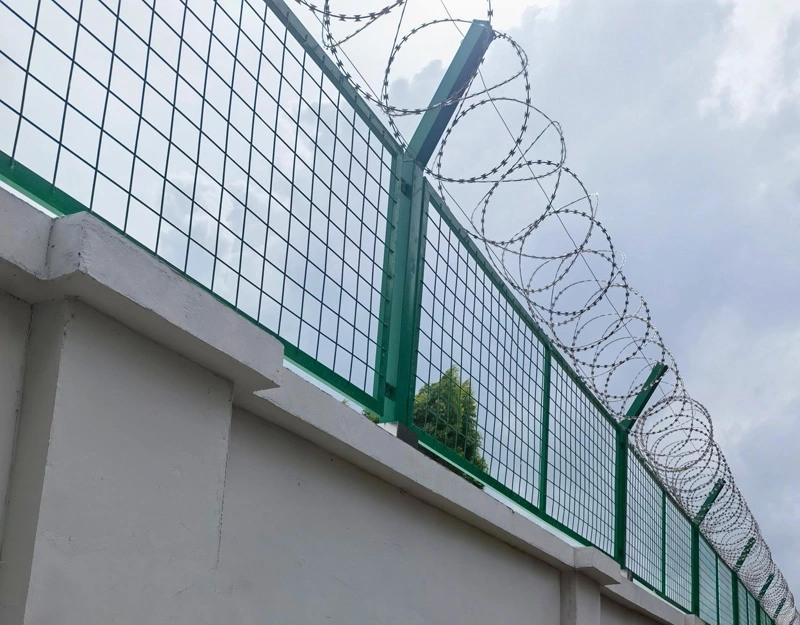
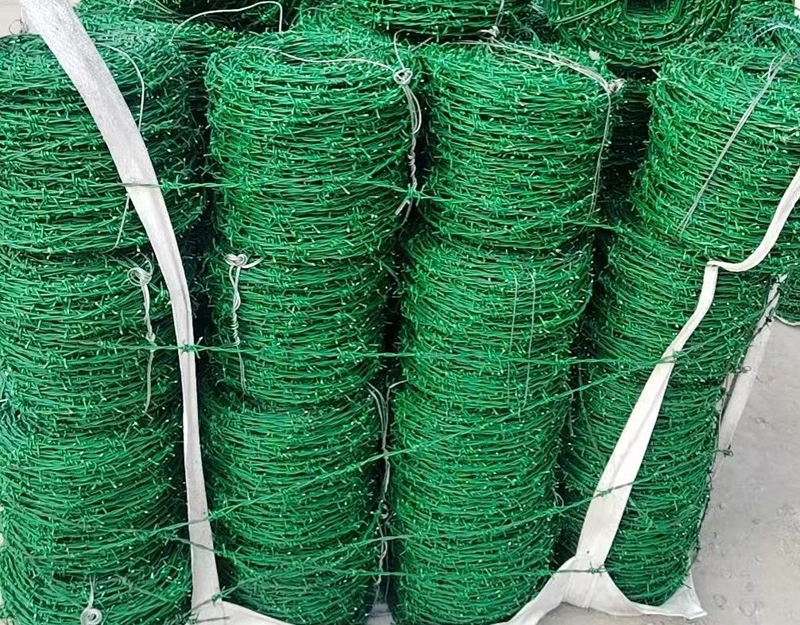
Coated wire panels are another option for achieving corrosion resistance. These panels are typically made from steel or other metals and are coated with a protective layer, such as PVC, epoxy, or polyurethane. The coating provides an additional barrier against moisture, chemicals, and other corrosive agents, enhancing the overall durability of the material. Coated wire panels are commonly used in applications where both corrosion resistance and aesthetic appeal are important, such as playground equipment, sports facilities, and commercial fencing.
One of the key advantages of coated wire panels is their versatility. The coating can be customized in various colors and finishes, allowing for a wide range of design options. Additionally, the coating can provide additional benefits, such as UV resistance and impact resistance, depending on the type of coating used. However, it is important to ensure that the coating is applied correctly and maintained properly to prevent peeling or chipping, which can compromise the corrosion resistance of the material.
Fiberglass is a non-metallic material that offers excellent corrosion resistance, making it a viable alternative to traditional metal wire panels. Fiberglass is made from glass fibers embedded in a resin matrix, which provides strength and durability. It is highly resistant to moisture, chemicals, and UV radiation, making it suitable for a wide range of applications, including marine environments, chemical processing plants, and outdoor structures.
One of the key benefits of fiberglass is its non-conductive nature. Unlike metal, fiberglass does not conduct electricity, which makes it a safer option for electrical installations and areas where electrical safety is a concern. Additionally, fiberglass is lightweight and easy to handle, making it a popular choice for applications where weight and ease of installation are important factors. However, it is important to note that fiberglass can be more expensive than some metal options, and it may require specialized tools and techniques for cutting and shaping.
In conclusion, selecting the right material for corrosion-resistant wire panels is crucial for ensuring the longevity and performance of your installations. Stainless steel, galvanized steel, aluminum, coated wire panels, and fiberglass each offer unique properties and benefits. By understanding the specific requirements of your application and the characteristics of each material, you can make an informed decision that meets your needs and budget. Whether you are looking for a cost-effective solution or a high-performance material, there is a corrosion-resistant wire panel option that is right for you.
Leave a Reply