

 English
 China
China Thailand
 Malaysia
 Vietnam
 Laos
Laos Cambodia
 Pilipinas
 Indonesia
 Russian
 Portuguese
 Arabic
 Japanese
 Spanish
 Italian
 French
 German
News
- Home
- News
- Company News
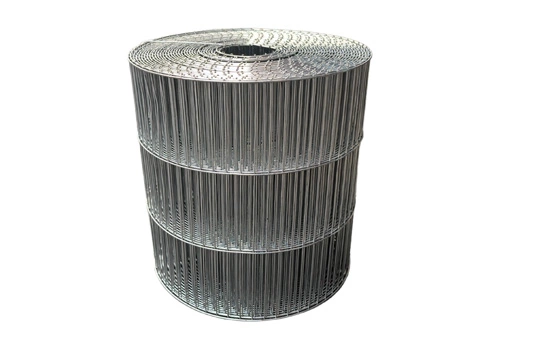
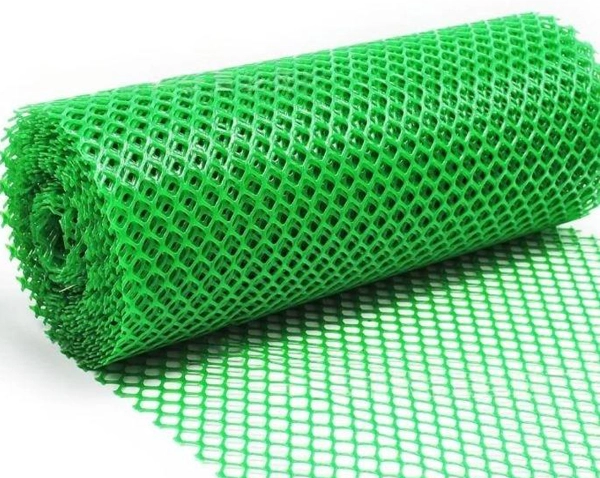
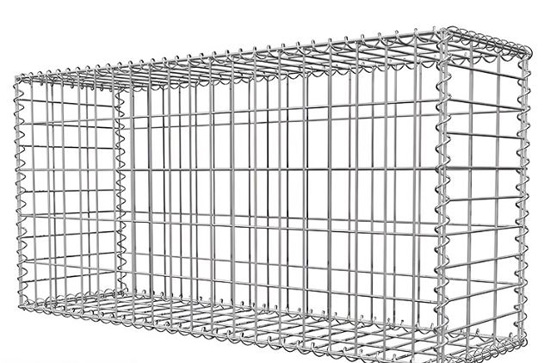
Corrosion-resistant wire panels have become an essential component in various industries, from construction to manufacturing, due to their ability to withstand harsh environments. These materials are designed to enhance the durability of structures and equipment, ensuring that they remain functional over extended periods. This report explores the benefits and applications of corrosion-resistant wire panels, highlighting key areas where these materials make a significant difference.
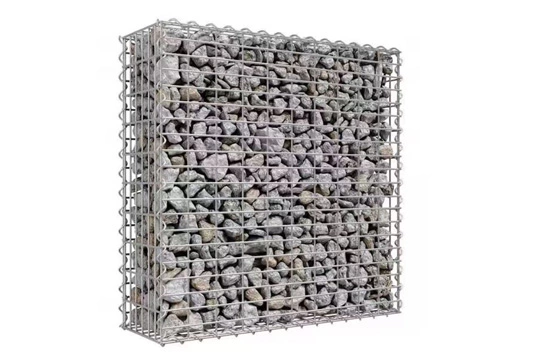
The effectiveness of corrosion-resistant wire panels largely depends on their composition. Typically, these panels are made from high-quality metals such as stainless steel, aluminum, or galvanized steel, which are known for their resistance to rust and corrosion. Stainless steel, for instance, contains chromium, which forms a protective layer on the surface, preventing oxygen and moisture from penetrating the metal. This layer is self-healing, meaning it can repair itself if scratched or damaged, further enhancing the panel's longevity. Aluminum, on the other hand, naturally forms a thin oxide layer that protects the metal from corrosion. Galvanized steel, which is coated with a layer of zinc, also offers excellent protection against corrosion, making it a popular choice for outdoor applications.
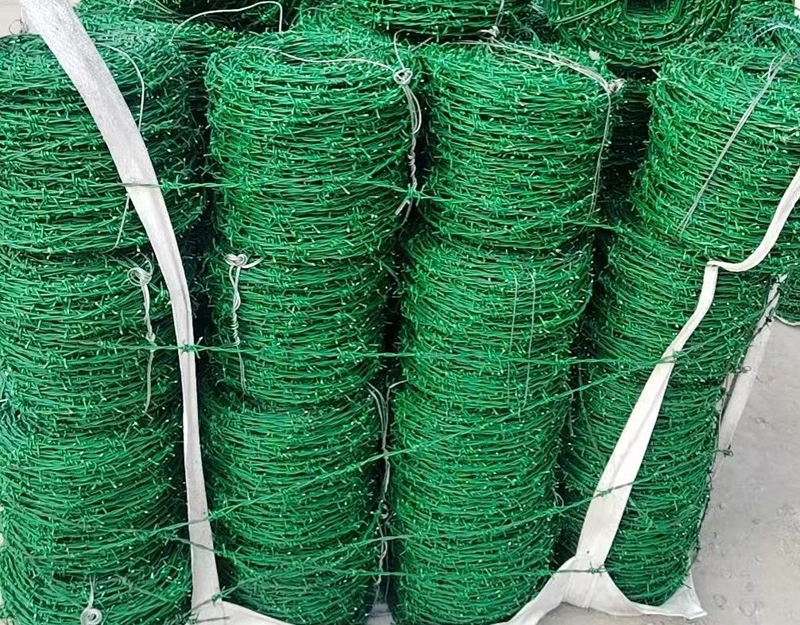
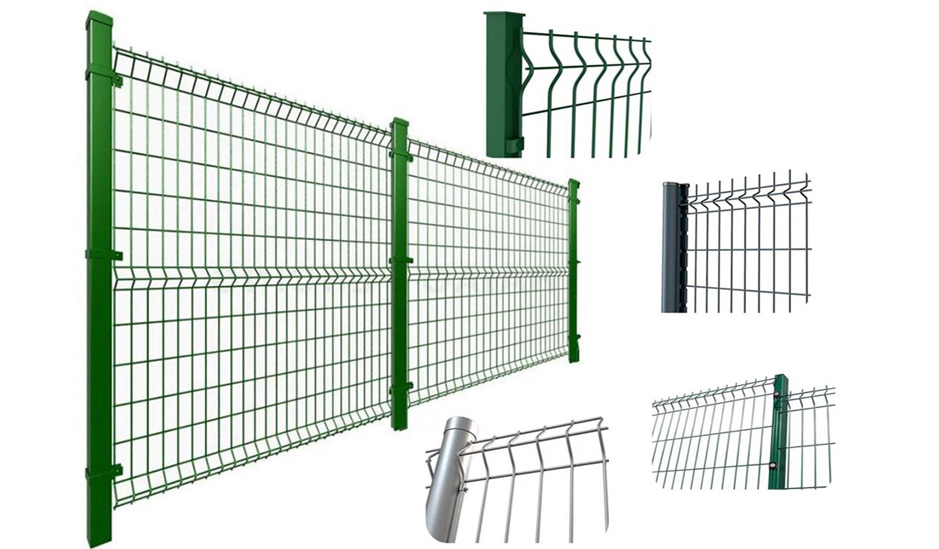
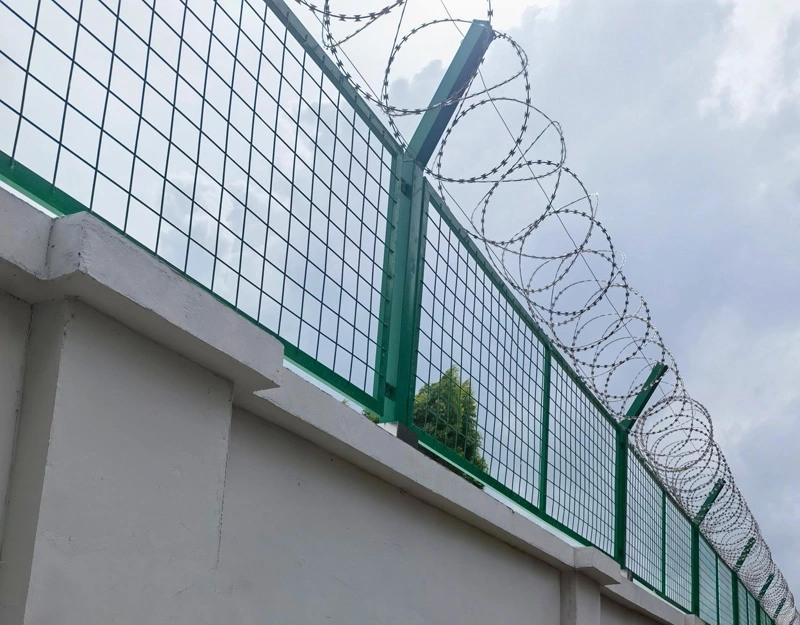
Corrosion-resistant wire panels find extensive use across multiple sectors. In the construction industry, these panels are used in fencing, railing, and decorative elements, providing both aesthetic appeal and durability. For example, marine environments, where saltwater and humidity are prevalent, require robust materials that can withstand constant exposure to corrosive elements. Corrosion-resistant wire panels are ideal for such conditions, ensuring that structures like bridges, piers, and offshore platforms remain structurally sound and safe for use. In the manufacturing sector, these panels are used in machinery, storage racks, and conveyor systems, where they must resist wear and tear caused by chemical exposure and mechanical stress. The automotive industry also benefits from these materials, using them in exhaust systems, fuel tanks, and body panels to increase the lifespan of vehicles.
While the initial cost of corrosion-resistant wire panels may be higher than that of standard materials, the long-term benefits often outweigh the upfront investment. By reducing the need for frequent maintenance and replacement, these panels can significantly lower overall costs. Additionally, the enhanced durability of corrosion-resistant wire panels means that they can withstand harsh conditions without degrading, leading to fewer disruptions in operations. This is particularly important in critical infrastructure, where downtime can have severe economic and safety implications. Furthermore, the use of corrosion-resistant wire panels can contribute to sustainability efforts by reducing waste and the environmental impact associated with frequent material replacements. As a result, these materials not only provide financial savings but also support broader environmental goals.
In conclusion, corrosion-resistant wire panels play a crucial role in enhancing the durability and longevity of structures and equipment across various industries. Their unique composition, wide range of applications, and long-term cost-effectiveness make them an indispensable choice for projects that require robust and reliable materials. By investing in these high-quality panels, organizations can ensure that their assets remain in optimal condition, even in the most challenging environments.
Leave a Reply