

 English
 China
China Thailand
 Malaysia
 Vietnam
 Laos
Laos Cambodia
 Pilipinas
 Indonesia
 Russian
 Portuguese
 Arabic
 Japanese
 Spanish
 Italian
 French
 German
News
- Home
- News
- Company News
With the increasing frequency of public gatherings, from sports events to music festivals, ensuring the safety of attendees has become a paramount concern. Crowd barriers play an essential role in maintaining order and preventing accidents and injuries. This report delves into the multifaceted aspects of crowd control through the use of safety crowd barriers, exploring their design, implementation, and impact on public safety.
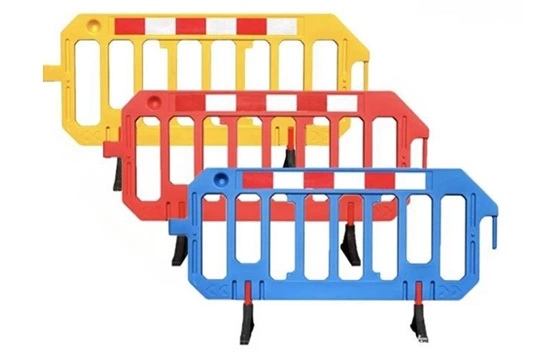
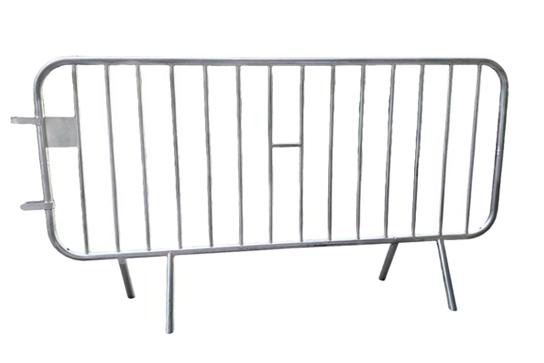
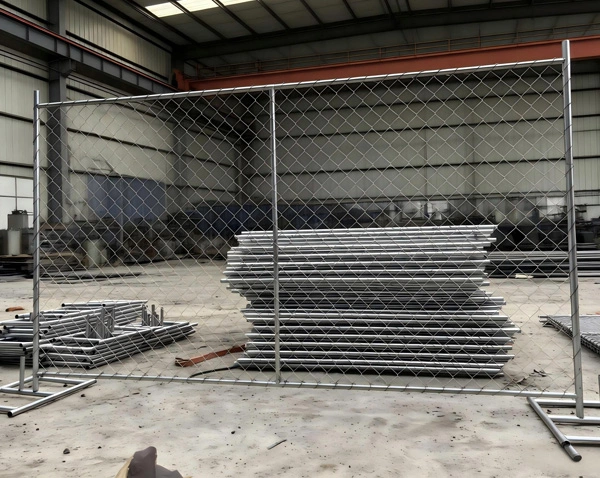
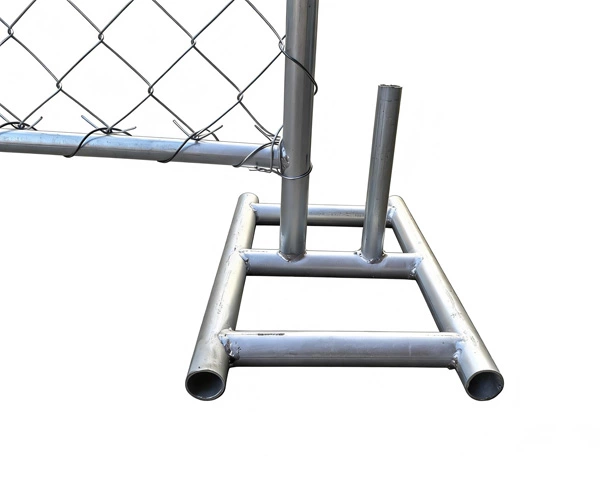
The primary function of a safety crowd barrier is to create a physical boundary that guides and directs the flow of people. These barriers are designed to be sturdy yet flexible, allowing for easy setup and reconfiguration as needed. They come in various forms, including interlocking panels, retractable belts, and modular fences, each serving specific purposes depending on the event's nature and scale. The materials used in constructing these barriers, such as high-strength steel or lightweight aluminum, ensure durability while also considering portability. Additionally, many modern barriers incorporate features like anti-climb designs and visibility-enhancing elements to further enhance their effectiveness in managing crowds safely.
The strategic placement and layout of safety crowd barriers are critical factors in their success. An effective barrier system should not only prevent unauthorized access but also facilitate smooth movement within designated areas. This involves careful planning, taking into account factors such as expected crowd size, entry and exit points, and potential bottlenecks. By analyzing these elements, organizers can determine the optimal configuration of barriers to minimize congestion and reduce the risk of trampling or other accidents. Furthermore, it is important to regularly review and adjust the barrier setup during the event to respond to any unexpected changes in crowd behavior or environmental conditions.
Examining real-world applications provides valuable insights into how safety crowd barriers contribute to accident prevention and injury reduction. For instance, at large-scale sporting events, such as the Olympics or World Cup, temporary barriers are extensively used to separate spectators from athletes and officials, ensuring a safe distance and clear lines of sight. Similarly, in music festivals, barriers are employed to create distinct zones for different activities, such as mosh pits, VIP areas, and general admission sections, thereby reducing the likelihood of conflicts and enhancing overall security. In both scenarios, the proper use of barriers has been shown to significantly lower the incidence of injuries and improve the experience for all participants.
Despite their benefits, there are challenges associated with the implementation of safety crowd barriers. One common issue is the need for trained personnel to oversee the installation and monitoring of barriers, which can be resource-intensive. To address this, some organizations have adopted automated systems that utilize sensors and cameras to detect and respond to crowd movements in real time. Another challenge is the potential for barriers to become obstacles themselves, particularly in emergency situations where rapid evacuation may be necessary. Innovations in barrier design, such as those that allow for quick disassembly or collapse, offer promising solutions to this problem. Lastly, the cost of acquiring and maintaining high-quality barriers can be prohibitive for smaller events or venues; however, rental services and shared-use models provide more accessible options.
As technology continues to advance, so too does the potential for enhancing the capabilities of safety crowd barriers. Emerging trends include the integration of smart technologies, such as IoT (Internet of Things) devices, which can provide real-time data on crowd density and behavior. This information can then be used to make informed decisions about barrier placement and adjustments. Additionally, advancements in material science are leading to the development of even stronger, lighter, and more versatile barrier materials. These innovations hold the promise of making crowd management more efficient and effective, ultimately contributing to safer and more enjoyable public events.
In conclusion, safety crowd barriers are indispensable tools in the arsenal of event organizers and security professionals. Their ability to guide, direct, and protect crowds makes them a vital component in the prevention of accidents and injuries. By understanding their design, implementing them strategically, and embracing new technologies, we can continue to improve the safety and enjoyment of public gatherings for everyone involved.


Leave a Reply