

 English
 China
China Thailand
 Malaysia
 Vietnam
 Laos
Laos Cambodia
 Pilipinas
 Indonesia
 Russian
 Portuguese
 Arabic
 Japanese
 Spanish
 Italian
 French
 German
News
- Home
- News
- Company News
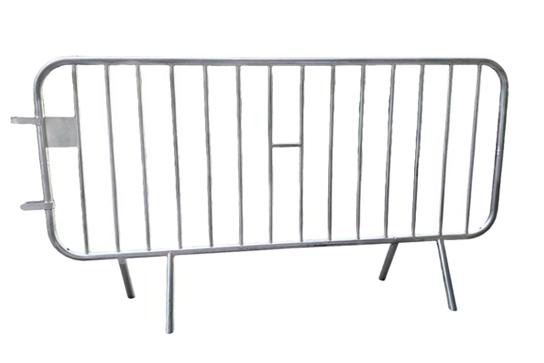
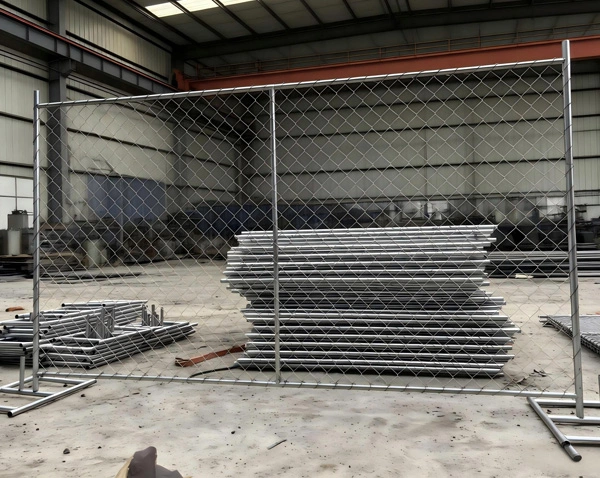
In the realm of public events, ensuring the safety of spectators is paramount. One of the most effective tools for maintaining order and preventing accidents is the use of safety crowd barrier. These barriers serve as a critical line of defense in managing large gatherings, from sports matches and concerts to political rallies and street fairs. The purpose of this report is to explore how these barriers contribute to spectator safety, their design principles, and best practices for deployment.
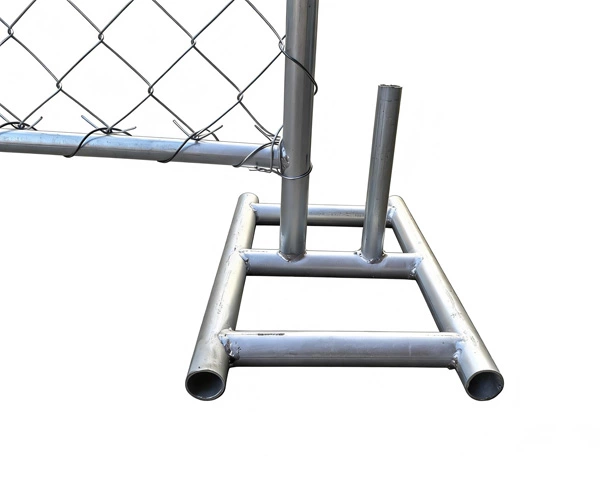
A well-designed safety crowd barrier must balance several key factors: strength, visibility, and ease of assembly. Strength ensures that the barrier can withstand the pressure exerted by crowds, which can be significant in high-density areas. Visibility is crucial for both security personnel and attendees; clear sightlines help in identifying potential issues early. Lastly, the ease with which these barriers can be assembled and disassembled is important for event planners, as it allows for quick setup and takedown, minimizing labor costs and setup time.
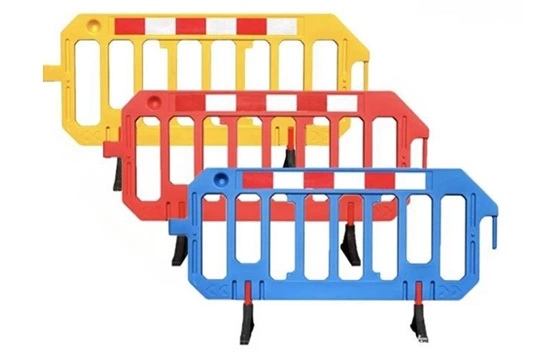
Materials used in the construction of these barriers vary, but common choices include steel, aluminum, and plastic. Each material offers its own set of advantages and trade-offs. For instance, steel provides excellent durability and resistance to damage, making it ideal for long-term or high-impact use. Aluminum, on the other hand, is lighter and easier to transport, though it may not offer the same level of robustness. Plastic barriers, while less durable, are often more cost-effective and can be a good choice for temporary or low-risk applications.
The strategic placement of safety crowd barrier is just as important as their design. Event organizers should consider the flow of people, potential bottlenecks, and areas where crowding is likely to occur. A well-planned layout can significantly reduce the risk of trampling, panic, and other crowd-related incidents. Additionally, barriers should be positioned to create clear pathways and designated areas, such as VIP sections, emergency exits, and first aid stations.
Another key aspect of deployment is the integration of technology. Modern crowd control systems often incorporate sensors, cameras, and real-time data analytics to monitor crowd behavior and density. This information can be invaluable for adjusting barrier configurations on the fly and responding quickly to any emerging situations. Furthermore, the use of signage and clear markings on the barriers themselves can help guide attendees and prevent confusion.
To illustrate the effectiveness of safety crowd barrier, let's examine a few case studies. During the 2016 Rio Olympics, the use of modular, interlocking barriers helped manage the flow of spectators at various venues, significantly reducing the risk of overcrowding and ensuring a smooth experience for all. In another example, the Glastonbury Festival, one of the largest music festivals in the world, has implemented a comprehensive crowd management system that includes a combination of physical barriers and digital monitoring. This approach has been credited with maintaining a high level of safety and organization, even during peak attendance periods.
These case studies highlight the importance of a multi-faceted approach to crowd control. While physical barriers are a critical component, they work best when integrated with other measures, such as trained security personnel, clear communication, and advanced technology. By learning from these successful implementations, event organizers can better prepare for and mitigate the risks associated with large crowds.
As the number and scale of public events continue to grow, the need for effective crowd management solutions becomes increasingly urgent. Safety crowd barrier play a vital role in this effort, providing a tangible means of controlling and directing the movement of large groups. However, the future of crowd management will likely see an even greater integration of technology, with innovations such as AI-driven predictive analytics and smart barriers that can adapt to changing conditions in real-time.
Ultimately, the goal remains the same: to ensure the safety and enjoyment of all attendees. By leveraging the latest advancements in barrier design and deployment, event organizers can create environments that are not only secure but also welcoming and enjoyable for everyone involved. As we move forward, the continued evolution of these technologies will be essential in meeting the challenges of modern crowd management.


Leave a Reply