

 English
 China
China Thailand
 Malaysia
 Vietnam
 Laos
Laos Cambodia
 Pilipinas
 Indonesia
 Russian
 Portuguese
 Arabic
 Japanese
 Spanish
 Italian
 French
 German
News
- Home
- News
- Company News
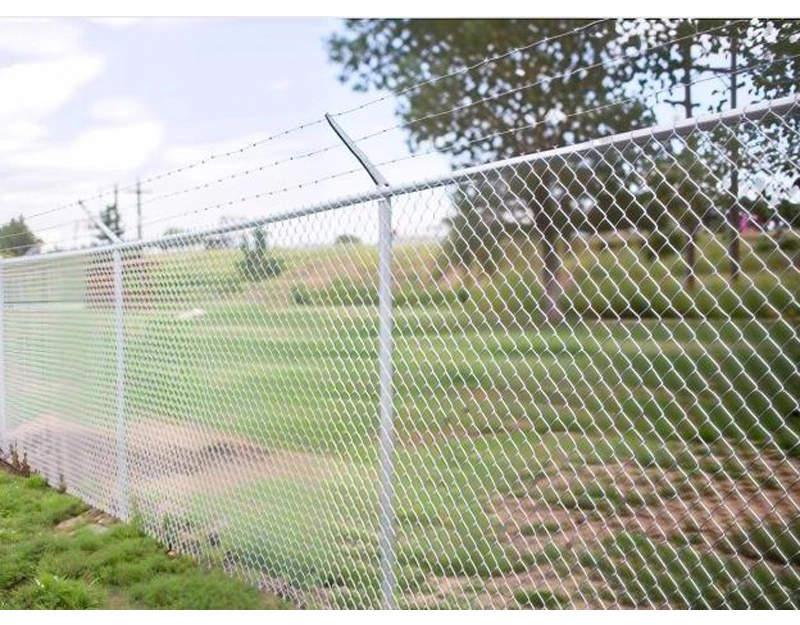
barbed wire security fencing has evolved into an essential component of modern perimeter protection, offering a robust solution for deterring unauthorized access and enhancing overall security. This technical report explores the critical role of barbed wire in contemporary security systems, emphasizing its effectiveness, versatility, and cost-efficiency. The report also delves into the specific applications of anti-climb fence designs, which are increasingly being integrated into various security setups to address the growing concerns of perimeter breaches. By examining the key features and benefits of these security measures, this document aims to provide a comprehensive understanding of how barbed wire and anti-climb fences contribute to the overall security landscape.
Barbed wire has a rich history dating back to the 19th century, initially used for agricultural purposes to control livestock. Over time, its applications expanded to include military and security uses. The evolution of barbed wire security fencing is marked by continuous improvements in design, materials, and installation techniques. Today, barbed wire is a staple in perimeter protection, offering a reliable and cost-effective solution for a wide range of security needs.
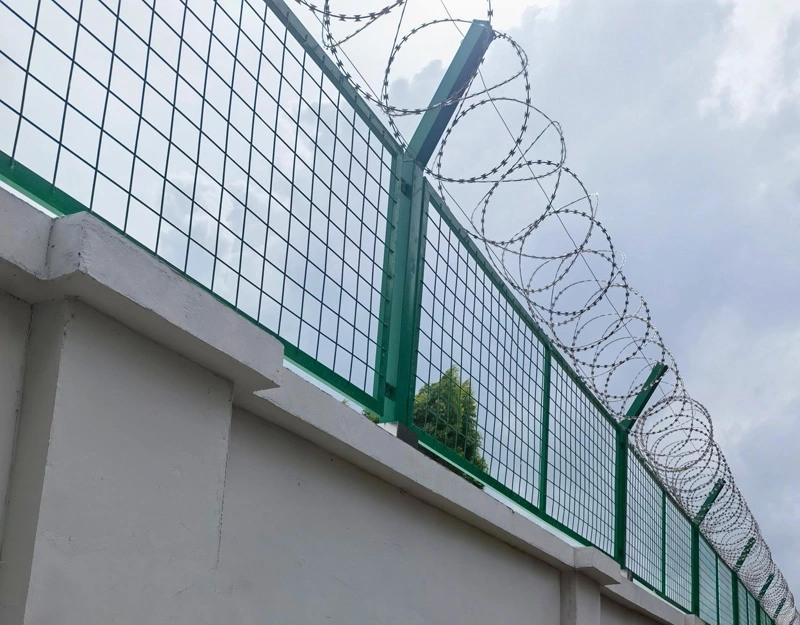
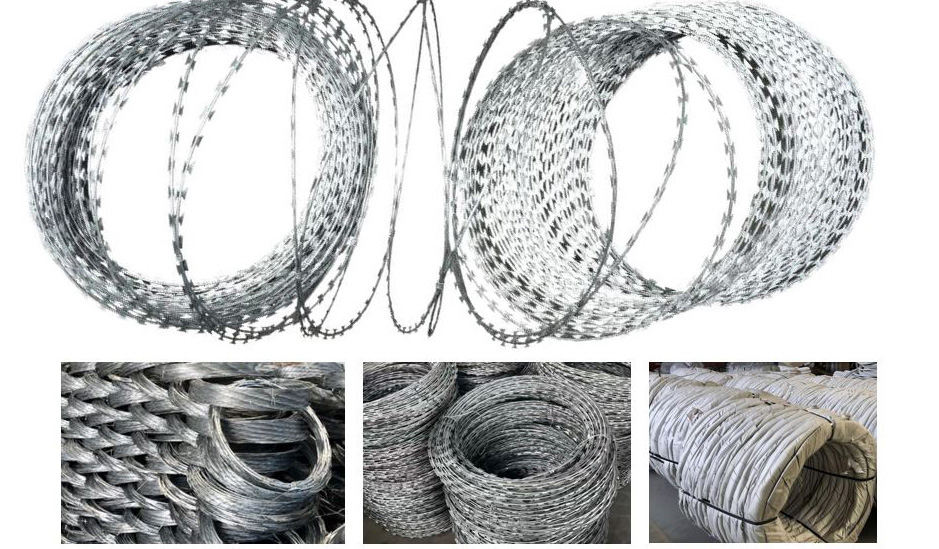
Modern barbed wire security fencing incorporates advanced materials and technologies, such as high-tensile steel and corrosion-resistant coatings, to enhance durability and longevity. Additionally, innovative designs, such as concertina coils and Razor wire, have been developed to provide even greater deterrence against intrusion. These advancements have made barbed wire a versatile and effective tool in the modern security arsenal.
One of the primary functions of barbed wire security fencing is to serve as a physical deterrent to potential intruders. The sharp, protruding barbs create a formidable barrier that discourages unauthorized access. This physical barrier not only prevents entry but also delays intruders, providing valuable time for security personnel to respond. The presence of barbed wire can significantly reduce the likelihood of perimeter breaches, making it an indispensable component of any security system.
Barbed wire security fencing is known for its cost-effectiveness compared to other security solutions. It is relatively inexpensive to purchase and install, making it an attractive option for both small and large-scale security projects. Additionally, the simplicity of its design allows for quick and easy installation, reducing labor costs and minimizing downtime. These factors make barbed wire a practical and efficient choice for enhancing perimeter security.
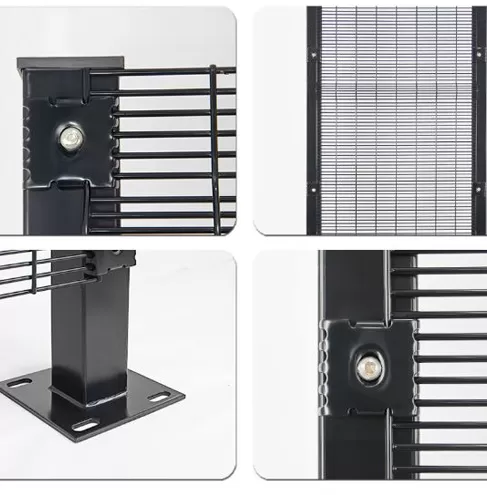
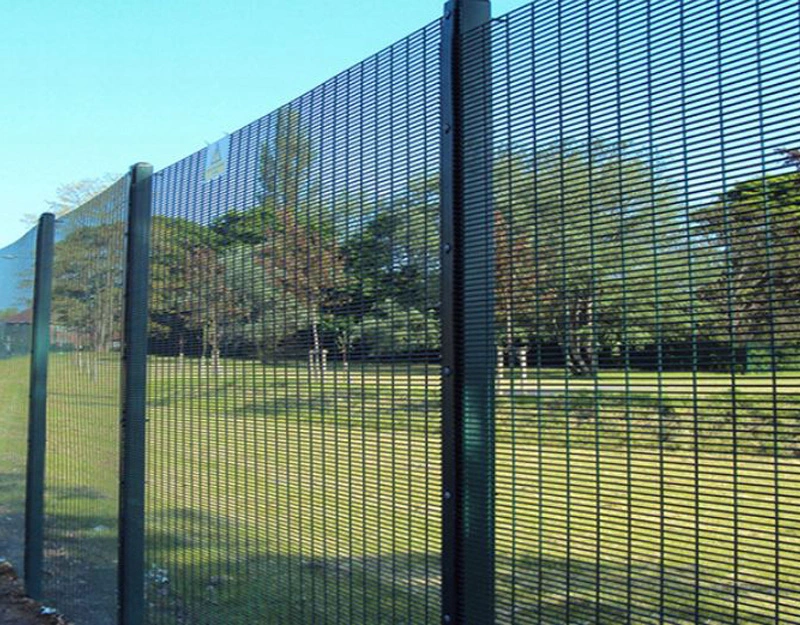
Anti-climb fence designs are specifically engineered to prevent individuals from scaling or climbing over the fence. These designs often incorporate additional features such as spikes, curved tops, and narrow gaps between bars to make it extremely difficult for intruders to gain a foothold. Anti-climb fences are particularly useful in high-security areas, such as military bases, correctional facilities, and industrial sites, where the risk of perimeter breaches is high. The integration of anti-climb features into barbed wire security fencing further enhances the overall effectiveness of the perimeter protection system.
While the primary focus of anti-climb fence designs is to enhance security, they can also be designed with aesthetic considerations in mind. Modern anti-climb fences come in a variety of styles and finishes, allowing them to blend seamlessly with the surrounding environment. This dual focus on security and aesthetics makes anti-climb fences a versatile option for a wide range of applications, from residential properties to commercial and industrial sites. The ability to customize the appearance of the fence without compromising its security function is a significant advantage of these designs.
The future of barbed wire and anti-climb fence security lies in the integration of smart technologies. Advanced sensors, cameras, and alarm systems can be incorporated into the fencing to provide real-time monitoring and alerts. For example, motion sensors can detect attempts to breach the perimeter, triggering immediate responses from security personnel. This integration of smart technology enhances the overall security of the perimeter, making it more resilient to threats and more efficient in responding to incidents.
As environmental consciousness grows, there is an increasing demand for sustainable and eco-friendly security solutions. Future trends in barbed wire and anti-climb fence design will likely focus on using recycled materials and implementing manufacturing processes that minimize environmental impact. Additionally, the development of biodegradable or recyclable alternatives to traditional materials could further reduce the ecological footprint of these security measures. By prioritizing sustainability, the industry can ensure that these essential security tools remain relevant and responsible in the years to come.


Leave a Reply