

 English
 China
China Thailand
 Malaysia
 Vietnam
 Laos
Laos Cambodia
 Pilipinas
 Indonesia
 Russian
 Portuguese
 Arabic
 Japanese
 Spanish
 Italian
 French
 German
News
- Home
- News
- Company News
The modern urban landscape is characterized by its rapid development and the increasing need for safety measures to protect both public and private properties. Among the various security solutions, anti-climb fence has emerged as a crucial component in enhancing urban safety. This report delves into the role of anti-climb fences in contemporary urban environments, exploring their design, functionality, and the broader implications for community safety.
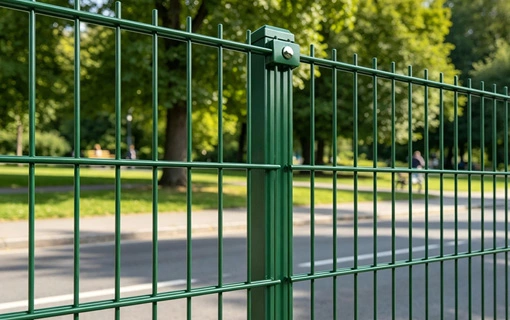
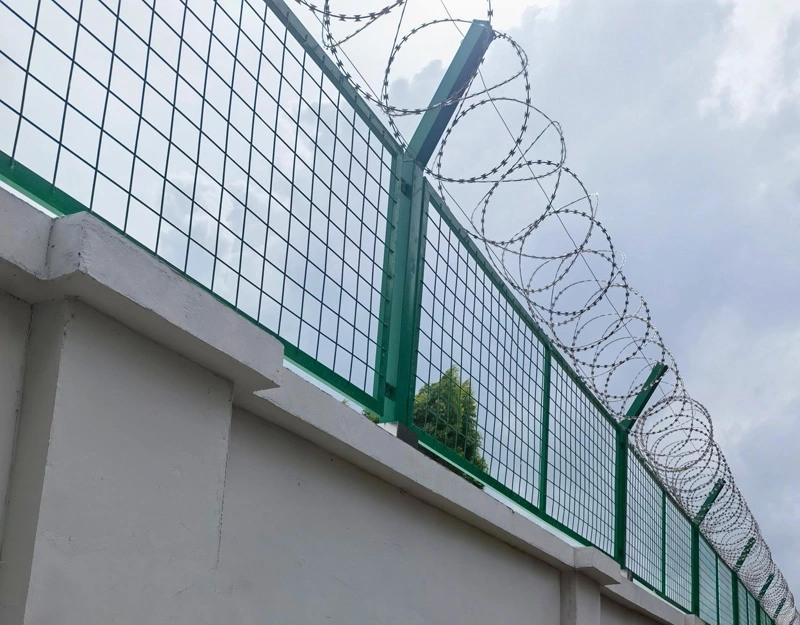
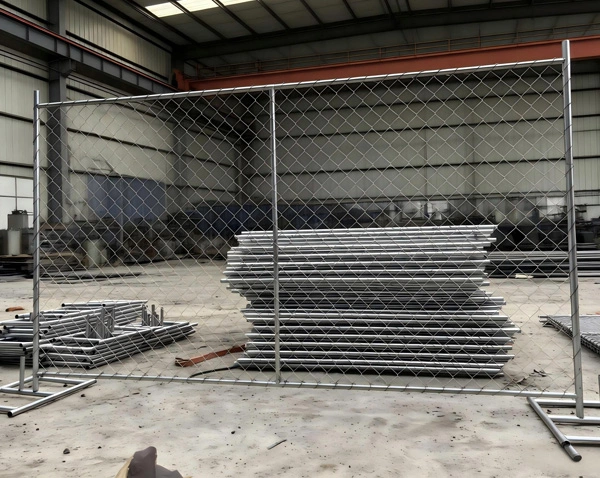
The primary function of an anti-climb fence is to provide a physical barrier that deters unauthorized access. These fences are designed with specific features such as sharp edges, spikes, or tight mesh patterns that make it difficult, if not impossible, for intruders to climb over. The design of these fences is based on extensive research and testing, ensuring that they meet the highest standards of security. For instance, some models incorporate razor wire at the top, which significantly reduces the likelihood of a successful breach. Additionally, the use of high-quality materials, such as galvanized steel or aluminum, ensures durability and resistance to environmental factors, making them a long-term solution for urban safety.
In today’s technologically advanced world, the effectiveness of an anti-climb fence can be further enhanced by integrating it with other security systems. Many modern anti-climb fences are equipped with sensors that can detect attempts to scale or damage the fence. These sensors are connected to a central monitoring system, which can alert security personnel in real-time. This integration allows for a more proactive approach to security, enabling quick response times and minimizing the risk of breaches. Furthermore, some advanced systems can even integrate with video surveillance, providing visual confirmation of any suspicious activity. This combination of physical and technological barriers creates a multi-layered security system that is highly effective in deterring potential threats.
The presence of an anti-climb fence in urban areas not only enhances physical security but also plays a significant role in shaping community perception. When residents and business owners see well-maintained and robust security measures in place, it instills a sense of safety and trust. This, in turn, can lead to a reduction in crime rates and an overall improvement in the quality of life. Moreover, the visibility of these security measures can act as a deterrent to potential criminals, as they are less likely to target areas that appear to be well-protected. In this way, anti-climb fences contribute to a safer and more secure urban environment, fostering a sense of community and shared responsibility for safety.
While the initial investment in an anti-climb fence may seem substantial, the long-term economic benefits are significant. By preventing unauthorized access and reducing the incidence of theft, vandalism, and other criminal activities, these fences help to minimize property damage and loss. This, in turn, can lead to lower insurance premiums and reduced costs associated with repairs and replacements. Additionally, the durability and low maintenance requirements of anti-climb fences mean that they offer a cost-effective solution over their lifespan. For businesses, the added security provided by these fences can also enhance their reputation and attract more customers, leading to increased revenue and profitability.
As urban areas continue to grow, there is an increasing emphasis on sustainability and environmental responsibility. The materials used in the construction of anti-climb fence can play a crucial role in this regard. Many manufacturers now offer eco-friendly options, such as recycled metals and sustainable production processes, which reduce the environmental impact of these security solutions. Additionally, the longevity and durability of anti-climb fences mean that they require fewer replacements, further reducing waste and resource consumption. By choosing environmentally conscious options, urban planners and property owners can ensure that their security measures align with broader sustainability goals, contributing to a more sustainable and resilient urban environment.
In conclusion, the role of anti-climb fence in modern urban safety measures is multifaceted and essential. From enhancing physical security through innovative design to integrating with advanced technological systems, these fences provide a comprehensive solution to urban safety challenges. Their impact extends beyond mere security, influencing community perception, economic benefits, and environmental sustainability. As urban areas continue to evolve, the importance of effective and sustainable security measures like anti-climb fences will only continue to grow, ensuring a safer and more prosperous future for all.



Leave a Reply