Security is a paramount concern for both residential and commercial properties. One effective method to deter intruders and enhance perimeter security is the installation of an anti-climb fence. This type of fencing is designed with features that make it difficult, if not impossible, for unauthorized individuals to scale or breach. In this report, we will explore various strategies for enhancing security through the use of anti-climb fences, focusing on their design, implementation, and integration with other security measures.
Understanding the Design Principles of Anti-Climb Fences
The effectiveness of an anti-climb fence lies in its design, which incorporates several key elements aimed at preventing unauthorized access. These include:
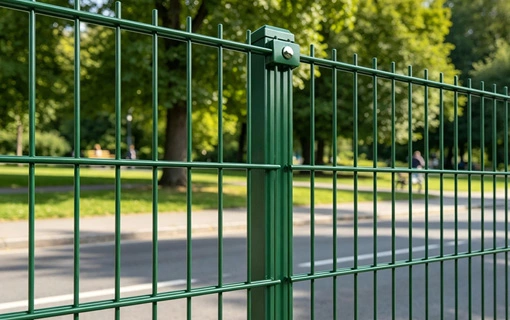
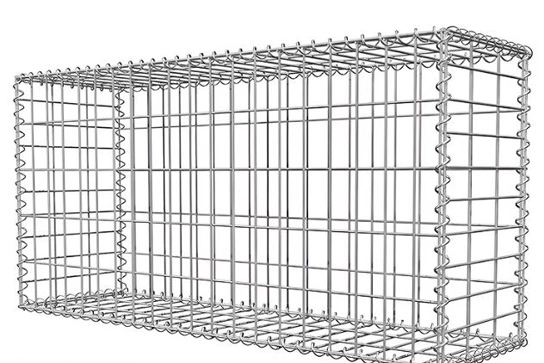
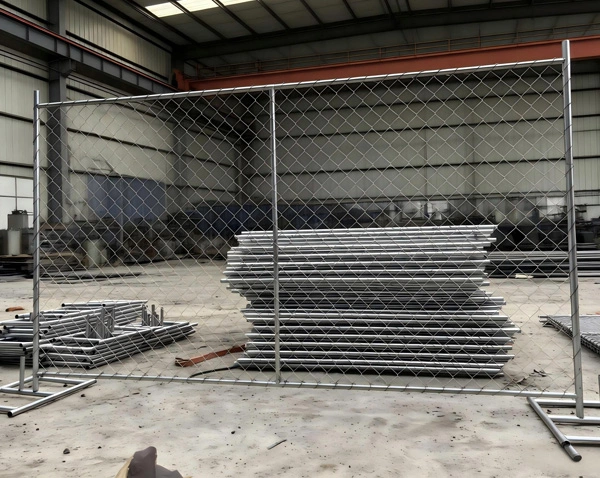
- Height and Structure: Typically, anti-climb fences are constructed to be at least 1.8 meters (6 feet) tall, making them difficult to climb over. The structure often includes horizontal or vertical bars, which can be spaced closely together to prevent footholds.
- Material Selection: High-quality materials such as steel, aluminum, or composite materials are used to ensure durability and resistance to cutting or bending. The choice of material also depends on the specific environment and aesthetic considerations.
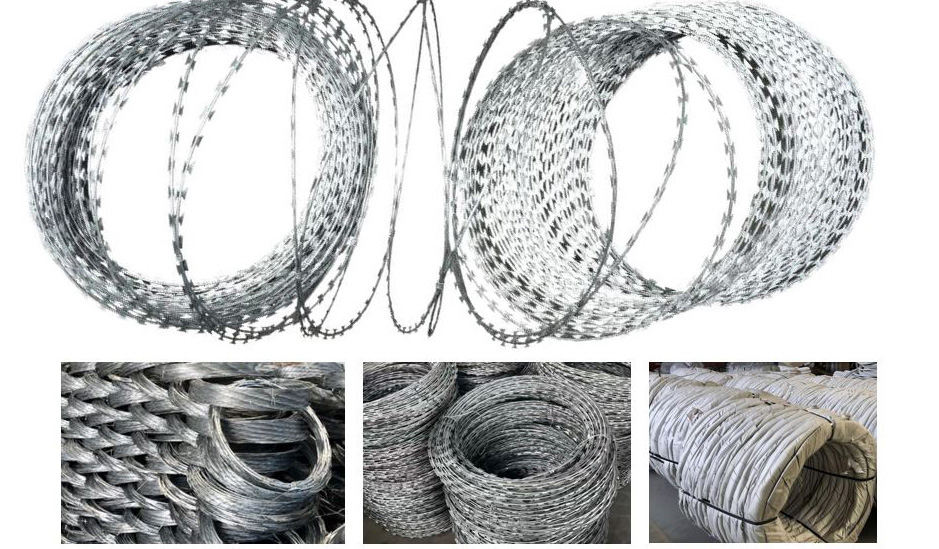
- Anti-Climb Features: Some designs incorporate additional features like spikes, barbs, or razor wire along the top edge of the fence. These features significantly increase the difficulty of scaling the fence and act as a strong deterrent.
By understanding these design principles, property owners can select the most appropriate anti-climb fence for their needs, ensuring a robust first line of defense against intruders.
Integration with Other Security Measures
While an anti-climb fence is a powerful standalone security measure, its effectiveness can be greatly enhanced when integrated with other security systems. Here are some complementary security measures that can be combined with anti-climb fences:
- CCTV Surveillance: Installing CCTV cameras around the perimeter provides real-time monitoring and recording of any suspicious activity. This not only acts as a deterrent but also helps in identifying and responding to potential threats.
- Intrusion Detection Systems: Motion sensors, infrared detectors, and other intrusion detection technologies can be installed along the fence line. These systems trigger alarms or alerts when unauthorized access is detected, allowing for immediate response.
- Access Control Systems: For entry points, access control systems such as keycard readers, biometric scanners, or intercoms can be implemented. These systems ensure that only authorized personnel can enter the premises, further enhancing security.
By integrating these additional security measures, property owners can create a multi-layered security system that is more resilient and effective in deterring and responding to threats.
Maintenance and Regular Inspection
To ensure the continued effectiveness of an anti-climb fence, regular maintenance and inspection are essential. Over time, fences can become damaged due to weather, vandalism, or wear and tear. Regular inspections help identify and address any issues before they compromise the fence's integrity. Key maintenance tasks include:
- Visual Inspections: Conducting visual inspections to check for signs of damage, rust, or corrosion. Any loose or broken components should be repaired or replaced promptly.
- Surface Treatment: Applying protective coatings or treatments to the fence to prevent rust and corrosion. This is especially important in environments with high humidity or exposure to saltwater.
- Vegetation Management: Clearing away any vegetation that may grow around the fence, as this can provide cover for intruders or cause damage to the fence over time.
By maintaining the fence regularly, property owners can ensure that it remains a reliable and effective barrier against unauthorized access.
Cost-Effectiveness and Long-Term Benefits
Investing in an anti-climb fence is a cost-effective solution for enhancing security. While the initial installation cost may seem significant, the long-term benefits far outweigh the expense. Here are some reasons why anti-climb fences are a wise investment:
- Reduced Risk of Theft and Vandalism: A well-designed anti-climb fence significantly reduces the risk of theft and vandalism, protecting valuable assets and reducing the need for costly repairs or replacements.
- Lower Insurance Premiums: Many insurance providers offer discounts on premiums for properties with enhanced security measures, including anti-climb fences. This can lead to long-term savings on insurance costs.
- Peace of Mind: Knowing that your property is protected by a robust security system provides peace of mind, allowing you to focus on other aspects of your business or personal life without constant worry about security breaches.
By considering the long-term benefits and cost-effectiveness, property owners can make an informed decision to invest in an anti-climb fence as part of their overall security strategy.
Conclusion
An anti-climb fence is a highly effective and versatile security solution that can significantly enhance the protection of any property. By understanding the design principles, integrating with other security measures, performing regular maintenance, and recognizing the long-term benefits, property owners can create a comprehensive and resilient security system. Investing in an anti-climb fence is not just a matter of installing a physical barrier; it is a strategic decision that contributes to the overall safety and security of the property.


 English
 China
China Thailand
 Malaysia
 Vietnam
 Laos
Laos Cambodia
 Pilipinas
 Indonesia
 Russian
 Portuguese
 Arabic
 Japanese
 Spanish
 Italian
 French
 German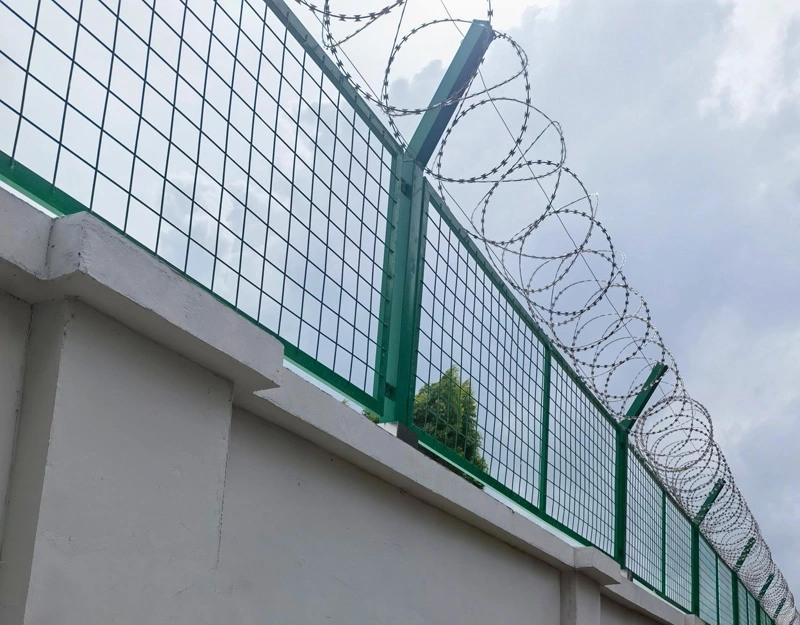


Leave a Reply