

 English
 China
China Thailand
 Malaysia
 Vietnam
 Laos
Laos Cambodia
 Pilipinas
 Indonesia
 Russian
 Portuguese
 Arabic
 Japanese
 Spanish
 Italian
 French
 German
News
- Home
- News
- Company News
When it comes to the selection of materials for industrial sieving, one option stands out for its durability, precision, and versatility: fine stainless steel sieve cloth. This material is widely used across various industries, from food processing to pharmaceuticals, due to its unique properties that make it ideal for a range of applications. In this guide, we will explore key considerations when choosing fine stainless steel sieve cloth, ensuring you can make an informed decision based on your specific needs.
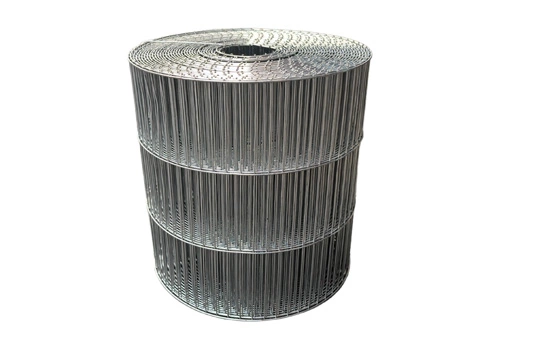
Fine stainless steel sieve cloth, also known as wire mesh, is a woven or welded screen made from high-quality stainless steel. It is characterized by its ability to filter particles of different sizes, making it an essential component in many industrial processes. The primary advantage of using fine stainless steel sieve cloth lies in its resistance to corrosion, which makes it suitable for use in environments where exposure to moisture, chemicals, or extreme temperatures is common. Additionally, its strength and durability ensure a long service life, even under heavy-duty conditions.
The choice of stainless steel grade significantly impacts the performance and longevity of the sieve cloth. Common grades include 304, 316, and 316L, each with distinct characteristics:
When selecting the appropriate grade, consider the environmental conditions, the type of materials being processed, and the expected service life of the sieve cloth.
The mesh size and wire diameter are critical parameters that determine the filtering capacity and efficiency of the sieve cloth. The mesh size refers to the number of openings per linear inch, while the wire diameter indicates the thickness of the wires used in the weave. These factors must be carefully chosen to match the particle size distribution of the material being sieved.
For example, if you need to separate fine particles, a smaller mesh size with a finer wire diameter would be appropriate. Conversely, for larger particles, a coarser mesh size with a thicker wire diameter would be more suitable. It is essential to consult with a supplier or manufacturer to ensure that the selected mesh size and wire diameter meet your specific requirements.
The weave type of the fine stainless steel sieve cloth can significantly affect its performance. Common weave types include plain weave, twill weave, and Dutch weave. Each type has its advantages and is suited for different applications:
Choosing the right weave type depends on the specific requirements of your application, such as the desired level of filtration, the mechanical strength needed, and the operating conditions.
To ensure the longevity and optimal performance of fine stainless steel sieve cloth, regular maintenance and cleaning are essential. Proper cleaning methods vary depending on the type of material being sieved and the specific environment. For example, in food processing, hygiene standards require frequent and thorough cleaning to prevent contamination. In other industries, periodic cleaning with appropriate solvents or water may suffice.
It is important to follow the manufacturer's guidelines for cleaning and maintenance. Some general tips include:
By following these maintenance practices, you can extend the service life of the sieve cloth and ensure consistent performance over time.
Selecting the right fine stainless steel sieve cloth is crucial for achieving efficient and reliable sieving and filtration in industrial applications. By considering factors such as the grade of stainless steel, mesh size, wire diameter, weave type, and maintenance requirements, you can make an informed decision that meets your specific needs. Fine stainless steel sieve cloth offers a combination of durability, precision, and versatility, making it a valuable asset in a wide range of industries.

Leave a Reply