

 English
 China
China Thailand
 Malaysia
 Vietnam
 Laos
Laos Cambodia
 Pilipinas
 Indonesia
 Russian
 Portuguese
 Arabic
 Japanese
 Spanish
 Italian
 French
 German
News
- Home
- News
- Company News
With the increasing need for enhanced security measures, especially in protecting physical assets and securing perimeters, security razor wire has emerged as a crucial component. This report aims to explore how Razor wire solutions can be effectively integrated into perimeter security systems, providing a robust barrier against unauthorized access and potential threats.
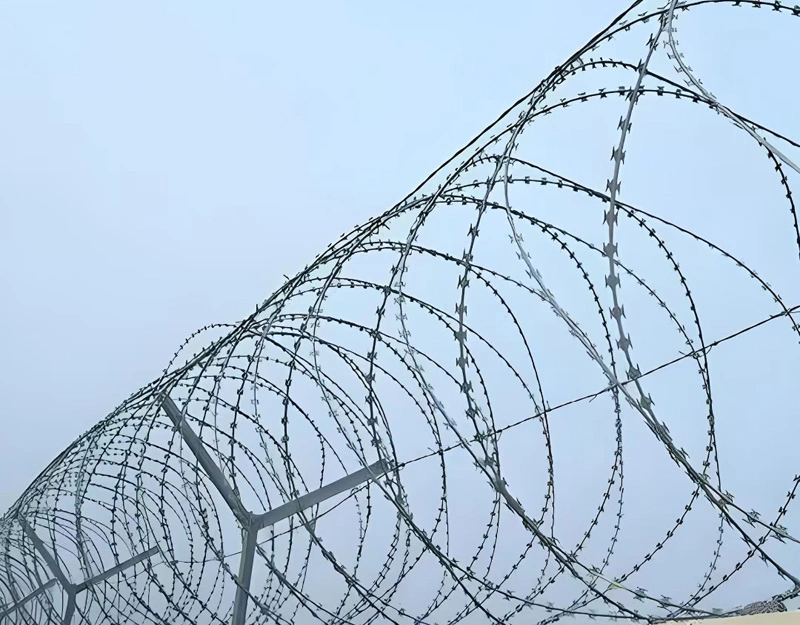
Razor wire, also known as barbed tape or concertina wire, is a type of fencing material designed to deter intruders through its sharp edges and intimidating appearance. It is commonly used in military, industrial, and residential settings where high levels of security are required. The primary function of Security razor wire is to create a physical and psychological deterrent, making it difficult for individuals to climb over or cut through, thus significantly enhancing the overall security of a property.
One of the key advantages of razor wire is its cost-effectiveness compared to other security measures such as electronic surveillance or manned patrols. Additionally, it requires minimal maintenance once installed, making it an attractive option for long-term security solutions. However, it is important to note that while razor wire is highly effective, it should be used as part of a comprehensive security strategy, complemented by other measures such as lighting, cameras, and access control systems.
There are several types of Security razor wire available on the market, each with its own specific features and applications. The most common types include:
Each type of razor wire serves a specific purpose and can be selected based on the security requirements of the site. For example, concertina wire is particularly effective in deterring climbers due to its coiled design, which makes it difficult to find a foothold. On the other hand, flat wrap razor wire is more suitable for areas where a less obtrusive solution is needed.
The installation of security razor wire requires careful planning and execution to ensure maximum effectiveness. The first step is to assess the site's security needs and determine the appropriate type and quantity of razor wire. It is essential to consider factors such as the height of the fence, the distance between posts, and the overall layout of the perimeter.
Once the type of razor wire has been selected, the next step is to install it. This typically involves attaching the wire to the top of the fence or barrier using clips, ties, or brackets. It is crucial to follow manufacturer guidelines and local regulations to ensure a safe and compliant installation. Additionally, the wire should be tensioned properly to prevent sagging and maintain its effectiveness.
Maintenance of razor wire systems is relatively straightforward but essential for ensuring long-term performance. Regular inspections should be conducted to check for any signs of wear, corrosion, or damage. Any damaged sections should be replaced promptly to maintain the integrity of the barrier. In environments with high exposure to the elements, such as coastal areas, it may be necessary to apply protective coatings to the wire to prevent rust and prolong its lifespan.
While security razor wire is an effective standalone solution, its impact can be significantly enhanced when integrated with other security measures. A layered approach to security, combining physical, electronic, and human elements, provides the best protection against potential threats. Here are some ways to integrate razor wire with other security measures:
By integrating razor wire with these additional security measures, organizations can create a comprehensive and resilient perimeter security system that is capable of deterring, detecting, and responding to potential threats.
While security razor wire is an effective tool for enhancing perimeter security, it is important to consider the ethical and legal implications of its use. The primary concern is the potential for injury to individuals, whether they are intruders, security personnel, or innocent bystanders. To mitigate this risk, it is essential to follow best practices and adhere to local regulations and standards.
One of the key best practices is to clearly mark the presence of razor wire with warning signs, indicating the potential danger and discouraging unauthorized access. Additionally, the wire should be installed at a height that is out of reach of children and non-threatening individuals. In some jurisdictions, there may be specific regulations regarding the use of razor wire, such as requiring permits or limiting its use to certain types of properties.
It is also important to consider the potential impact on the surrounding community. While razor wire can be an effective deterrent, it can also create a sense of fear and unease. Organizations should balance the need for security with the desire to maintain a welcoming and safe environment. This can be achieved by using alternative security measures in public-facing areas and reserving razor wire for more sensitive or high-risk locations.
Security razor wire plays a vital role in enhancing perimeter security, providing a cost-effective and reliable solution for deterring unauthorized access. By understanding the different types of razor wire, their applications, and the best practices for installation and maintenance, organizations can effectively integrate this technology into their security strategies. Additionally, by combining razor wire with other security measures, such as lighting, cameras, and access control systems, a comprehensive and resilient perimeter security system can be created. However, it is essential to consider the ethical and legal implications of using razor wire and to follow best practices to ensure the safety and well-being of all individuals.


Leave a Reply