

 English
 China
China Thailand
 Malaysia
 Vietnam
 Laos
Laos Cambodia
 Pilipinas
 Indonesia
 Russian
 Portuguese
 Arabic
 Japanese
 Spanish
 Italian
 French
 German
News
- Home
- News
- Company News
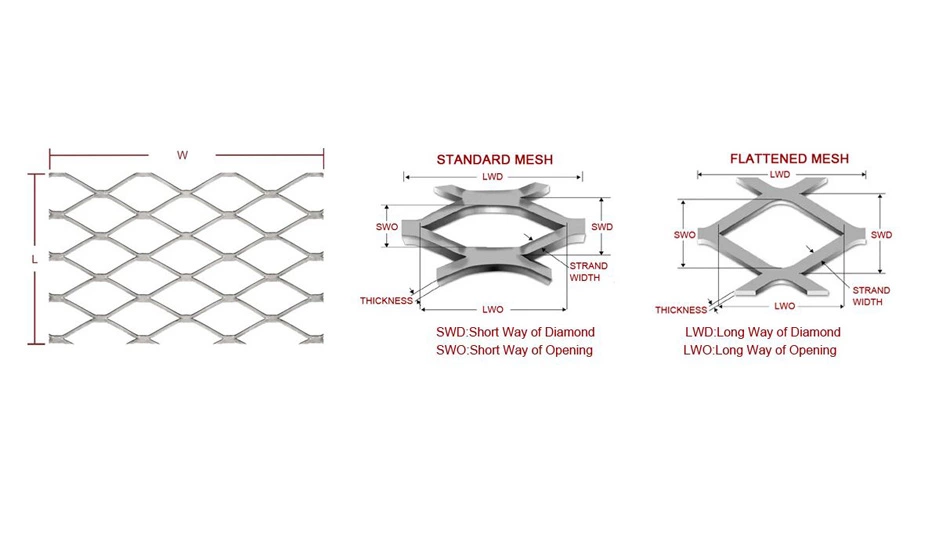
In recent years, the adoption of sustainable materials in construction has become a critical focus for architects, builders, and environmentalists alike. One such material that has gained significant attention is aluminum expanded mesh. This versatile and lightweight material not only offers aesthetic benefits but also contributes to energy efficiency and sustainability. This technical report explores the role of Aluminum Expanded Mesh in green building projects, highlighting its advantages, applications, and potential for future development. The report will cover the material's properties, its contribution to energy efficiency, durability, and cost-effectiveness, as well as its impact on the environment and design flexibility.
Aluminum expanded mesh is known for its lightweight nature, which makes it an ideal choice for various construction applications. Its low density reduces the overall weight of structures, leading to lower transportation and installation costs. Despite its lightness, aluminum expanded mesh is highly durable, capable of withstanding harsh weather conditions and mechanical stress. This combination of lightness and strength ensures that the material can be used in both interior and exterior applications without compromising structural integrity.
One of the key advantages of aluminum expanded mesh is its excellent resistance to corrosion. Unlike other metals, aluminum forms a protective oxide layer when exposed to air, which prevents further oxidation and rusting. This property extends the lifespan of the material, reducing maintenance and replacement costs over time. In coastal and high-humidity environments, where corrosion is a significant concern, aluminum expanded mesh provides a reliable and long-lasting solution.
Aluminum expanded mesh plays a crucial role in enhancing the thermal performance of buildings. When used as a facade or cladding, the material creates a barrier that helps regulate temperature by reflecting solar radiation and reducing heat transfer. This effect significantly lowers the need for artificial heating and cooling, thereby reducing energy consumption and operational costs. Additionally, the open structure of the mesh allows for natural ventilation, further improving indoor air quality and comfort.
Another significant benefit of aluminum expanded mesh is its ability to provide effective solar shading. By strategically placing the mesh, it can block direct sunlight while still allowing diffused light to enter the building. This not only reduces glare and heat gain but also maximizes the use of natural daylight, reducing the reliance on artificial lighting. The result is a more comfortable and energy-efficient indoor environment, contributing to the overall sustainability of the building.
While the initial cost of aluminum expanded mesh may be higher than some traditional materials, its long-term benefits make it a cost-effective choice. The material's durability and low maintenance requirements reduce the need for frequent repairs and replacements, leading to significant savings over the life of the building. Additionally, the energy savings achieved through improved thermal performance and reduced lighting needs contribute to lower operational costs, providing a strong return on investment.
Aluminum expanded mesh is produced through a process that minimizes waste. The expansion process involves stretching a solid sheet of aluminum, creating a mesh with minimal material loss. This efficient production method not only reduces waste but also lowers the overall environmental impact of the manufacturing process. Furthermore, the material is fully recyclable, ensuring that it can be repurposed at the end of its lifecycle, further enhancing its economic and environmental benefits.
Aluminum is one of the most recyclable materials available, and aluminum expanded mesh is no exception. The material can be easily recycled and reused, reducing the demand for raw materials and minimizing the carbon footprint associated with extraction and processing. Recycling aluminum requires only 5% of the energy needed to produce new aluminum, making it a highly sustainable choice. By incorporating aluminum expanded mesh into green building projects, developers can significantly reduce their environmental impact and contribute to a circular economy.
The use of aluminum expanded mesh in construction helps to reduce the overall carbon footprint of buildings. The material's lightweight nature and efficient production process result in lower emissions during transportation and manufacturing. Additionally, the energy savings achieved through improved thermal performance and reduced lighting needs further decrease the building's carbon footprint. By choosing aluminum expanded mesh, builders and designers can create more sustainable and environmentally friendly structures.
Aluminum expanded mesh offers a wide range of applications, from facades and cladding to partitions and decorative elements. Its versatility allows architects and designers to create unique and innovative designs that meet both functional and aesthetic requirements. The material can be customized in terms of size, shape, and color, providing endless possibilities for creative expression. Whether used in modern or traditional architecture, aluminum expanded mesh adds a distinctive and visually appealing element to any project.
One of the key advantages of aluminum expanded mesh is its ability to integrate seamlessly with various architectural styles. The material's open structure and customizable appearance allow it to blend harmoniously with existing design elements, enhancing the overall aesthetic of the building. Additionally, the reflective surface of aluminum can add a dynamic and contemporary look to facades, creating a striking visual impact. By combining functionality with aesthetics, aluminum expanded mesh offers a versatile and attractive solution for green building projects.

Leave a Reply