

 English
 China
China Thailand
 Malaysia
 Vietnam
 Laos
Laos Cambodia
 Pilipinas
 Indonesia
 Russian
 Portuguese
 Arabic
 Japanese
 Spanish
 Italian
 French
 German
News
- Home
- News
- Company News
Protecting one's property from unauthorized access is a fundamental concern for both residential and commercial spaces. Among the many security measures available, anti climb fence stands out as an effective solution to deter intruders while maintaining a visually appealing perimeter. This technical report delves into the intricacies of anti-climbing barriers, exploring their design, materials, installation, and maintenance. By understanding these aspects, readers will be better equipped to select and implement the right anti climb fence system that not only enhances security but also integrates seamlessly with the overall aesthetics of their environment.
An anti climb fence serves as a physical barrier designed to prevent individuals from scaling over it. Unlike traditional fences, which may offer limited resistance to determined climbers, anti-climb models incorporate specific features that make ascending them extremely difficult or impossible. These can include spikes, barbed wire, or specialized mesh patterns. The primary goal is to discourage potential intruders by presenting a formidable obstacle that requires significant effort and risk to overcome.
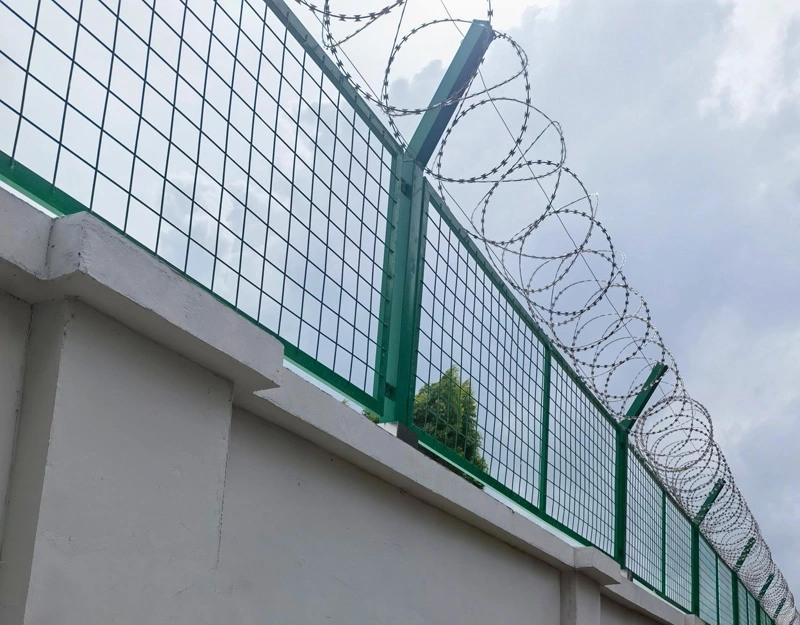
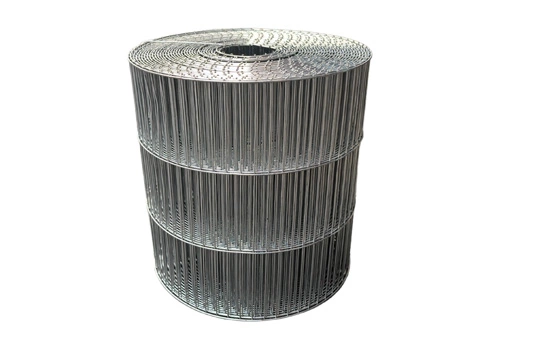
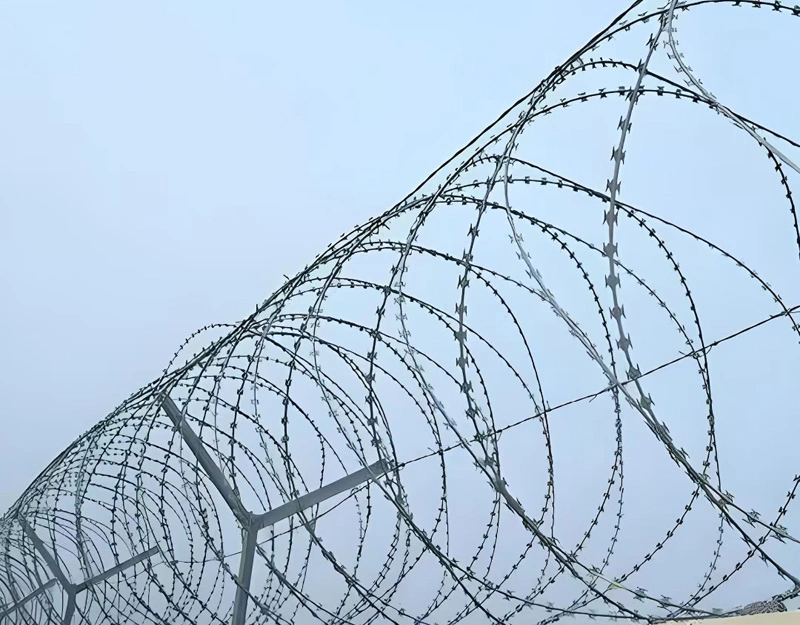
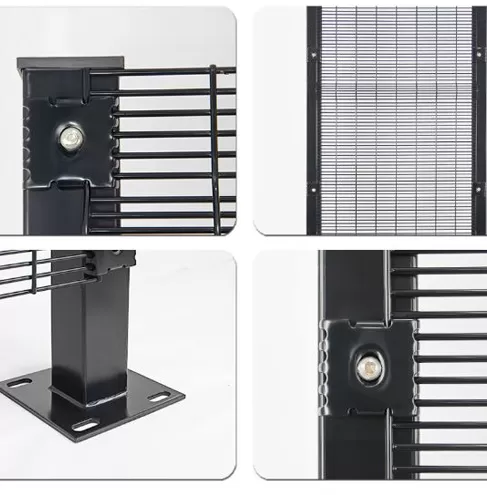
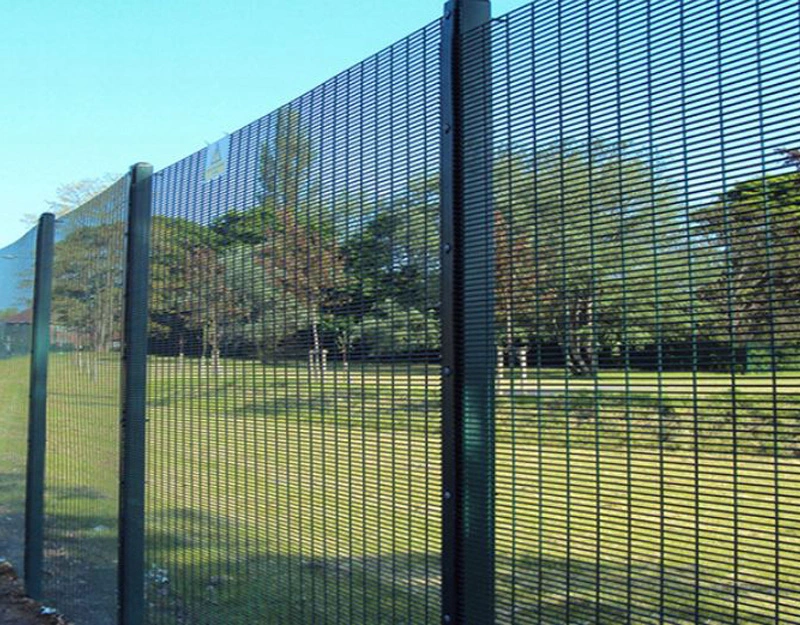
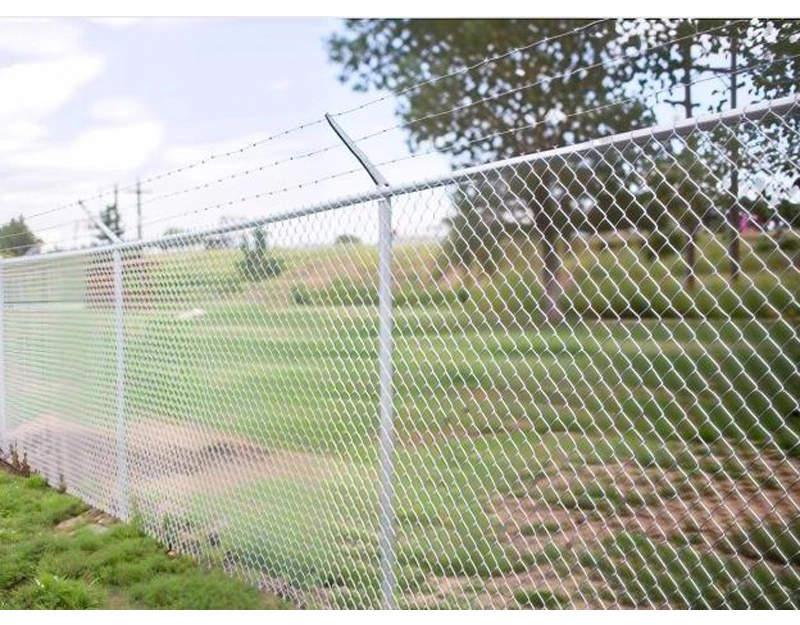
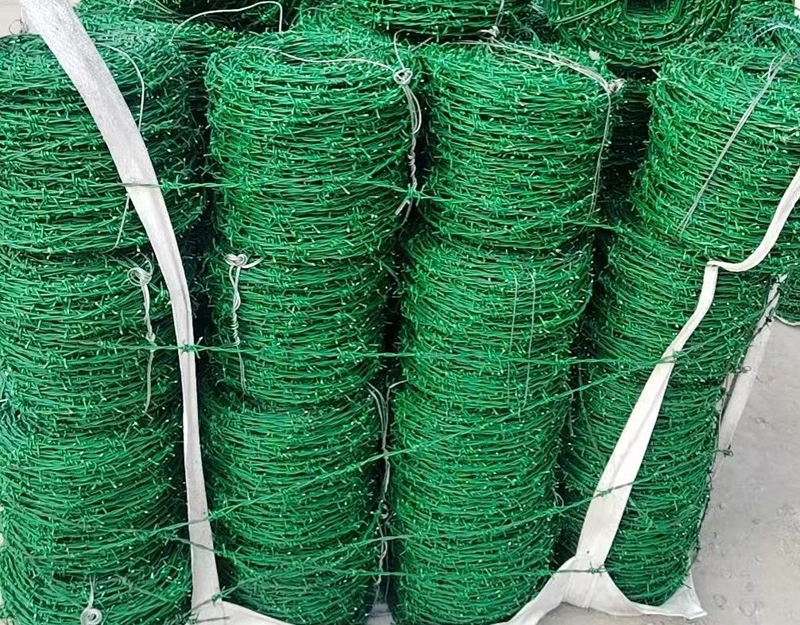
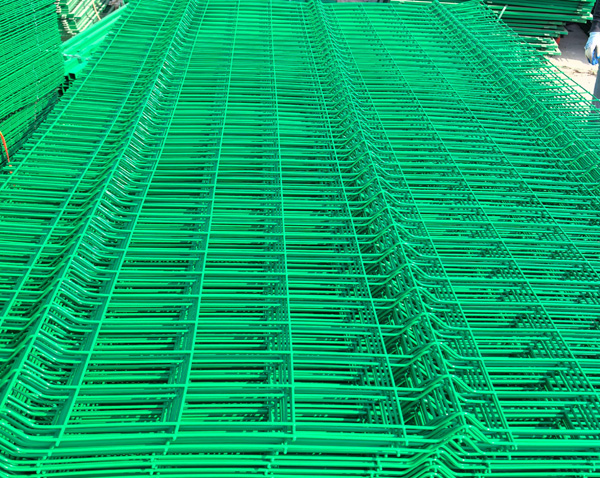
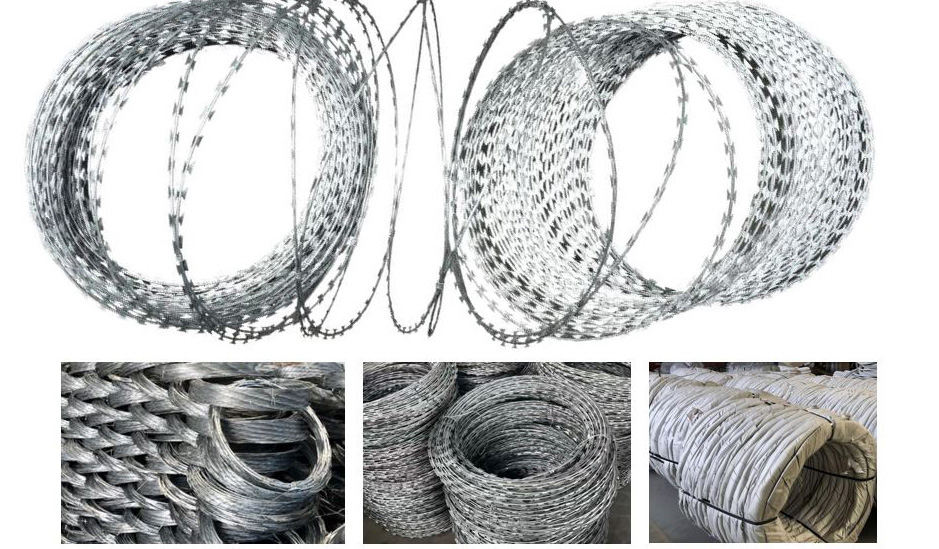
Several types of anti-climb fences are available, each suited to different security needs and aesthetic preferences. Common varieties include palisade fencing, welded mesh panels, and chain-link fences with additional anti-climb modifications. Palisade fences, for instance, feature pointed pales at the top, making them particularly effective against climbing. Welded mesh panels, on the other hand, offer a more modern and sleek appearance without compromising on security. Chain-link fences, when combined with barbed wire or Razor wire, provide a cost-effective yet highly secure option.
The durability and longevity of an anti climb fence largely depend on the materials used in its construction. Steel is a popular choice due to its strength and resistance to corrosion. Galvanized steel, in particular, offers excellent protection against rust, ensuring the fence remains in good condition even in harsh weather conditions. Aluminum is another material that provides a lightweight yet robust alternative, ideal for areas where weight is a consideration. Additionally, some manufacturers use composite materials, such as fiberglass, which combine the benefits of multiple materials to create a fence that is both strong and flexible.
To ensure the continued effectiveness of an anti climb fence, regular maintenance is essential. This includes checking for signs of wear and tear, such as rust, loose connections, or damaged components. Regular cleaning, especially in coastal or industrial environments, can help prevent the buildup of corrosive elements. Applying a protective coating, such as paint or a clear sealant, can further enhance the fence's resistance to environmental factors. Proper maintenance not only extends the life of the fence but also ensures it remains a reliable deterrent against intruders.
The effectiveness of an anti climb fence is significantly influenced by its installation. Proper installation involves several key steps, including site preparation, foundation setting, and alignment. Site preparation is crucial to ensure the ground is level and free of debris. A solid foundation, typically consisting of concrete footings, provides the necessary support to keep the fence stable and secure. Alignment is equally important, as a misaligned fence can create gaps that intruders might exploit. Professional installation is recommended to ensure the fence is installed correctly and meets all safety and security standards.
An anti climb fence should be part of a comprehensive security strategy. It can be integrated with other security measures, such as surveillance cameras, motion sensors, and lighting, to create a multi-layered defense system. For example, placing cameras and sensors along the fence line can provide real-time monitoring and alert authorities to any suspicious activity. Additionally, strategic placement of lighting, such as floodlights or motion-activated lights, can further deter potential intruders by increasing visibility and creating a sense of constant surveillance.
Before installing an anti climb fence, it is essential to understand and comply with local regulations and building codes. Many jurisdictions have specific requirements regarding the height, materials, and design of fences. Some areas may also require permits or inspections before and after installation. Failure to comply with these regulations can result in fines or even the removal of the fence. Consulting with local authorities or a professional installer can help ensure that the fence meets all legal requirements and avoids any potential issues.
Ensuring the safety of both the property and those around it is a critical aspect of anti climb fence installation. Safety standards and best practices should be followed to minimize the risk of injury. For example, the sharp points of palisade fences should be directed away from public areas to prevent accidental harm. Additionally, clear signage should be placed near the fence to warn of its presence and the potential dangers associated with attempting to climb it. Adhering to these standards not only protects the property but also demonstrates a commitment to the well-being of the community.
The cost of an anti climb fence can vary significantly depending on the type, materials, and size of the fence. Initial investment includes the cost of the fence itself, as well as any additional security features, such as gates, locks, and surveillance systems. Installation costs, which can be substantial, should also be factored in. However, it is important to consider the long-term benefits, such as enhanced security and potentially lower insurance premiums. Regular maintenance, while an ongoing expense, is generally minimal compared to the initial investment and helps ensure the fence remains effective and durable.
Investing in a high-quality anti climb fence can provide significant value for money. Not only does it enhance the security of the property, but it can also increase its overall value. A well-maintained and visually appealing fence can be a selling point for potential buyers, adding to the property's curb appeal. Moreover, the peace of mind that comes with knowing the property is well-protected is invaluable. In the event of a security breach, the fence can serve as a first line of defense, potentially saving the property owner from more significant losses. Overall, the return on investment for an anti climb fence is often substantial, making it a worthwhile expenditure for both residential and commercial properties.
When selecting an anti climb fence, it is important to consider its environmental impact. Sustainable materials, such as recycled steel or aluminum, can reduce the carbon footprint of the fence. Additionally, the manufacturing process and the disposal of the fence at the end of its life cycle should be taken into account. Some manufacturers offer recycling programs for their products, ensuring that the materials are reused rather than discarded. Choosing an environmentally friendly option not only benefits the planet but also aligns with the growing trend of sustainability in construction and security solutions.
While security is the primary concern, the aesthetic integration of an anti climb fence is also important. The fence should complement the overall design and style of the property, enhancing its visual appeal. For example, a modern, minimalist property may benefit from a sleek, welded mesh Panel Fence, while a more traditional setting might be better suited to a classic palisade fence. Customization options, such as color and finish, can further tailor the fence to match the property's aesthetic. By carefully considering the design and appearance of the fence, it is possible to achieve a balance between security and aesthetics, creating a harmonious and protected environment.
Leave a Reply