

 English
 China
China Thailand
 Malaysia
 Vietnam
 Laos
Laos Cambodia
 Pilipinas
 Indonesia
 Russian
 Portuguese
 Arabic
 Japanese
 Spanish
 Italian
 French
 German
News
- Home
- News
- Company News
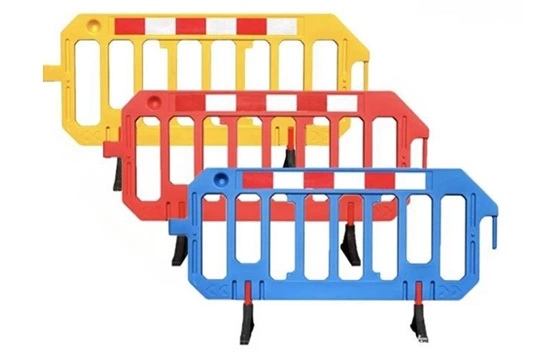
With the increasing need for effective road safety measures, Durable Plastic Barriers have emerged as a promising solution. These barriers, often designed to mimic the appearance and functionality of traditional panel fence systems, offer a versatile and robust alternative that can significantly enhance safety on roads, highways, and construction sites. This report delves into the benefits of using durable plastic barriers, their applications, and how they contribute to maximizing road safety.
Durable plastic barriers are constructed from high-density polyethylene (HDPE) or other advanced polymers, which provide exceptional strength and resistance to environmental factors such as UV radiation, temperature fluctuations, and chemical exposure. Unlike traditional metal or wooden Panel Fence systems, these plastic barriers do not corrode, rot, or degrade over time, ensuring a longer lifespan and reduced maintenance costs. The inherent durability of plastic barriers makes them an ideal choice for long-term road safety solutions.
Moreover, the impact resistance of these barriers is a key factor in their effectiveness. In the event of a collision, durable plastic barriers are designed to absorb and dissipate energy, reducing the force of impact and minimizing the risk of injury to vehicle occupants. This feature is particularly important in high-traffic areas where accidents are more likely to occur.
One of the significant advantages of using durable plastic barriers is their cost-effectiveness. While the initial investment may be comparable to traditional materials, the long-term savings in maintenance and replacement costs make them a more economical choice. Traditional panel fence systems, such as those made from wood or metal, require regular painting, rust removal, and structural repairs, all of which add to the overall cost. In contrast, plastic barriers require minimal maintenance, making them a budget-friendly option for road safety projects.
Additionally, durable plastic barriers are environmentally friendly. They are typically made from recycled materials and can be fully recycled at the end of their lifecycle, reducing waste and promoting sustainability. The use of recycled plastics in the manufacturing process also helps to reduce the carbon footprint associated with the production of new materials. This aligns with the growing global focus on sustainable infrastructure and responsible resource management.
Durable plastic barriers are highly versatile and can be easily adapted to various road safety needs. They are available in a range of sizes, shapes, and colors, allowing for customization to fit specific project requirements. For example, in urban areas, where aesthetics are a concern, plastic barriers can be designed to blend seamlessly with the surrounding environment. In contrast, on highways and construction sites, they can be brightly colored and highly visible to maximize safety.
The modular design of these barriers also allows for easy installation and reconfiguration. They can be quickly assembled and disassembled, making them ideal for temporary road closures, work zones, and events. This flexibility is particularly valuable in dynamic environments where road conditions and traffic patterns can change rapidly. Furthermore, the lightweight nature of plastic barriers means they can be easily transported and deployed, reducing the logistical challenges associated with traditional panel fence systems.
Visibility is a critical factor in road safety, and durable plastic barriers excel in this area. Many plastic barriers are designed with reflective strips or embedded reflectors, enhancing their visibility during low-light conditions. This is especially important in areas with poor lighting, such as rural roads and construction sites, where the risk of accidents is higher. Improved visibility helps drivers to better anticipate and navigate around barriers, reducing the likelihood of collisions.
Furthermore, some plastic barriers are equipped with additional safety features, such as water-filled bases or ballast systems, which increase their stability and resistance to movement. These features are particularly useful in high-wind areas or during severe weather conditions, where traditional panel fence systems may be more susceptible to damage or displacement. The enhanced stability of plastic barriers ensures that they remain in place and continue to provide effective protection, even under challenging conditions.
In conclusion, durable plastic barriers offer a robust, cost-effective, and environmentally friendly solution for maximizing road safety. Their enhanced durability, versatility, and improved visibility make them a superior alternative to traditional panel fence systems. By adopting these innovative barriers, transportation agencies and construction companies can significantly improve the safety and efficiency of their road networks, while also contributing to a more sustainable future.




Leave a Reply