

 English
 China
China Thailand
 Malaysia
 Vietnam
 Laos
Laos Cambodia
 Pilipinas
 Indonesia
 Russian
 Portuguese
 Arabic
 Japanese
 Spanish
 Italian
 French
 German
News
- Home
- News
- Company News
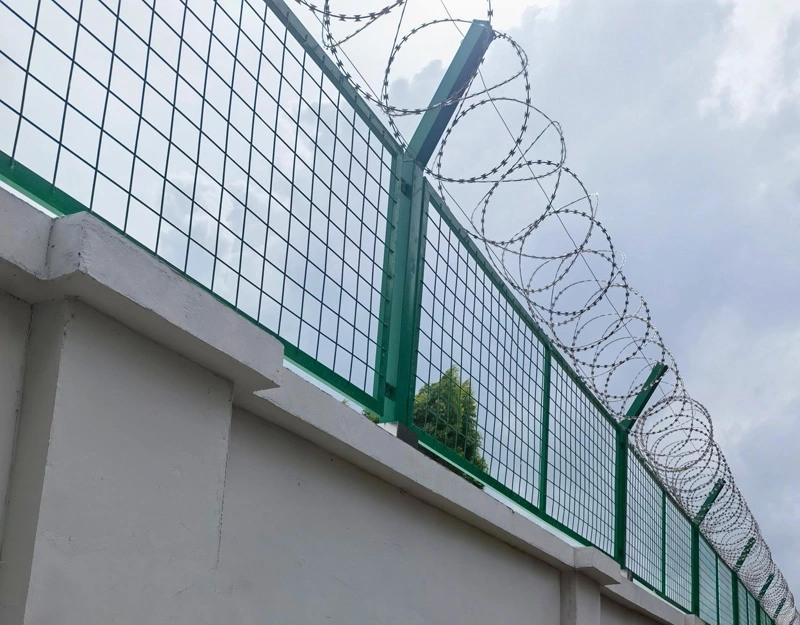
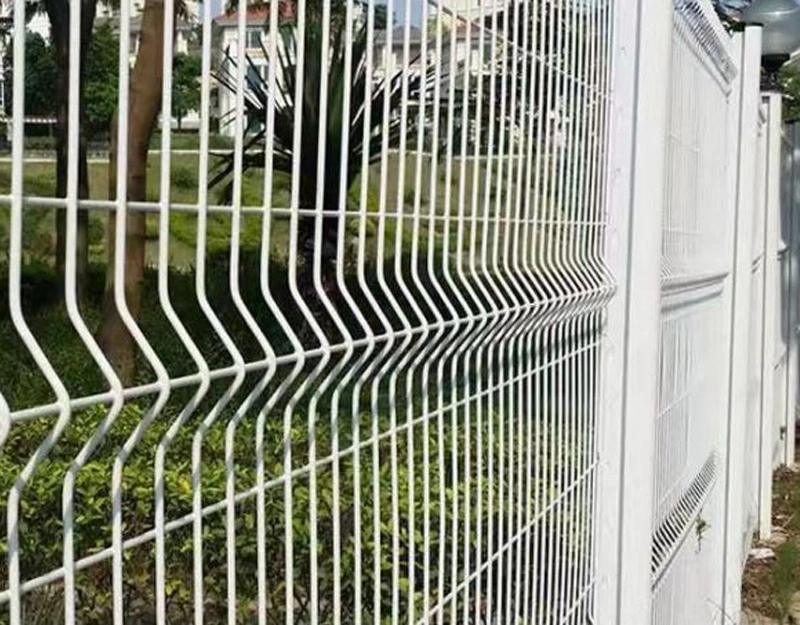
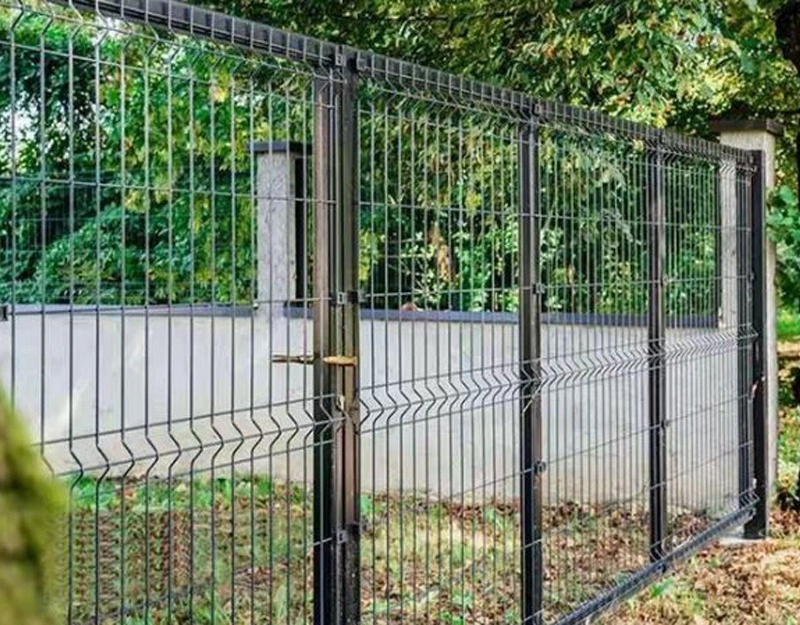
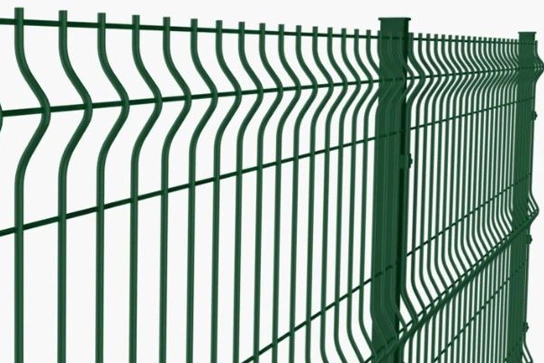
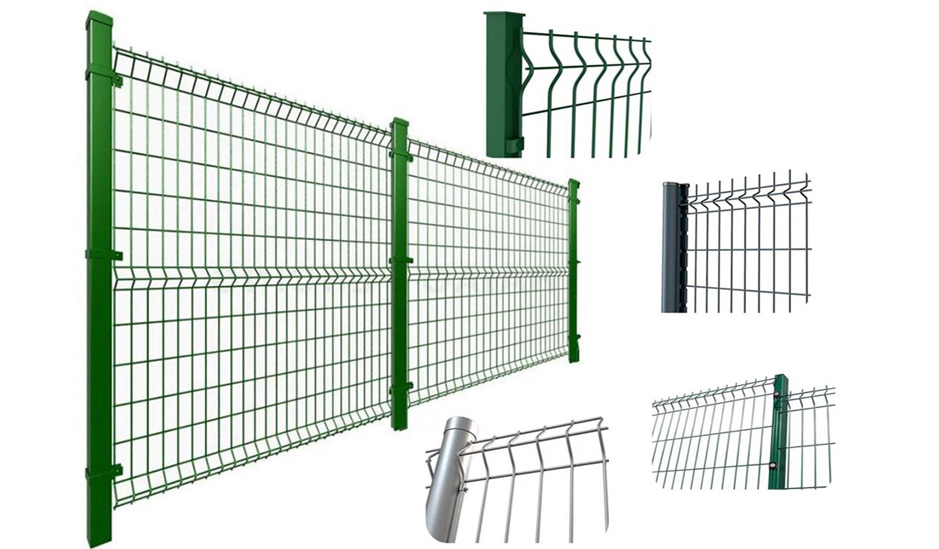
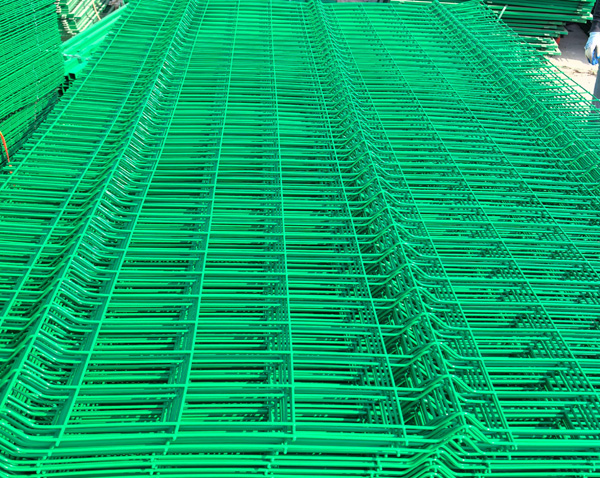
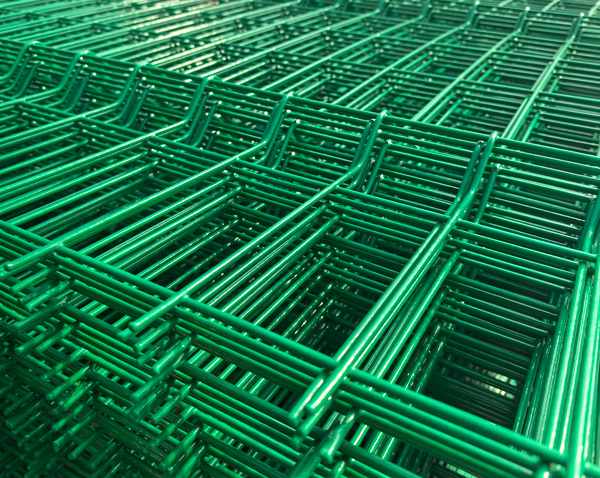
While the connection between Panel fence and maintaining a stainless steel strainer may not be immediately apparent, both topics highlight the importance of proper maintenance and material selection in ensuring longevity and functionality. This report will focus on providing essential tips for maintaining a Durable Stainless Steel Strainer in your kitchen, drawing parallels to the principles that make a Panel Fence effective and long-lasting.
Just as a high-quality Panel Fence is made from materials that can withstand the elements, a durable stainless steel strainer must be constructed from premium-grade stainless steel. The choice of material is crucial because it directly affects the strainer's resistance to corrosion, wear, and tear. Premium stainless steel, such as 304 or 316 grade, offers excellent corrosion resistance and durability, making it ideal for kitchen use where it will be exposed to water, acids, and other corrosive substances. By investing in a high-quality stainless steel strainer, you ensure that it will last longer and perform better, much like a well-constructed panel fence that can withstand harsh weather conditions.
One of the key reasons why a Panel Fence remains in good condition over time is regular maintenance. Similarly, a stainless steel strainer requires consistent cleaning and care to prevent build-up and corrosion. After each use, rinse the strainer thoroughly with warm water to remove any food particles or residue. For a deeper clean, soak the strainer in a solution of warm water and mild dish soap for a few minutes, then scrub gently with a non-abrasive sponge or brush. Avoid using harsh chemicals or abrasive sponges, as these can scratch the surface and reduce its corrosion resistance. Additionally, dry the strainer completely after washing to prevent water spots and potential rust formation. Regular cleaning and maintenance are essential for extending the life of your stainless steel strainer, just as they are for a panel fence.
A Panel Fence is often designed to be sturdy and resilient, but it still benefits from being installed in a way that minimizes exposure to direct damage. Similarly, proper storage is crucial for maintaining the integrity of your stainless steel strainer. Store the strainer in a dry, cool place away from direct sunlight and heat sources. If possible, hang the strainer or place it in a well-ventilated area to prevent moisture accumulation, which can lead to rust and corrosion. Avoid stacking heavy items on top of the strainer, as this can cause deformation or damage to the mesh. By storing your strainer properly, you can ensure that it remains in optimal condition, much like a well-maintained panel fence that is protected from external damage.
Just as a Panel Fence is built to withstand the elements but still requires careful handling to avoid unnecessary damage, a stainless steel strainer should be used and handled with care to minimize wear and tear. When using the strainer, avoid placing it on hot surfaces or in extremely hot water, as this can cause thermal shock and weaken the material. Additionally, do not use the strainer for tasks that it is not designed for, such as straining large, heavy objects that could stretch or damage the mesh. Always handle the strainer gently and avoid dropping it, as this can cause dents or cracks. By using the strainer correctly and handling it with care, you can extend its lifespan and maintain its performance, much like a panel fence that is treated with respect and care.
Even with the best care, a Panel Fence may occasionally require minor repairs to maintain its structural integrity. Similarly, a stainless steel strainer may need occasional repairs or replacements to continue functioning effectively. If you notice any small dents or scratches, you can often buff them out using a soft cloth and a mild polishing compound. However, if the strainer becomes severely damaged, such as with a broken handle or a torn mesh, it may be more cost-effective to replace it rather than attempt a repair. Regularly inspect your strainer for signs of wear and address any issues promptly to ensure it continues to perform at its best. By taking a proactive approach to maintenance and repair, you can extend the lifespan of your stainless steel strainer, just as you would with a well-maintained panel fence.
In conclusion, maintaining a durable stainless steel strainer in your kitchen involves several key practices, including choosing high-quality materials, regular cleaning and maintenance, proper storage, careful handling, and timely repairs. By following these essential tips, you can ensure that your strainer remains in top condition, providing reliable and efficient service for years to come. Just as a well-maintained Panel Fence stands the test of time, a well-cared-for stainless steel strainer will be a valuable and long-lasting addition to your kitchen.

Leave a Reply