

 English
 China
China Thailand
 Malaysia
 Vietnam
 Laos
Laos Cambodia
 Pilipinas
 Indonesia
 Russian
 Portuguese
 Arabic
 Japanese
 Spanish
 Italian
 French
 German
News
- Home
- News
- Company News
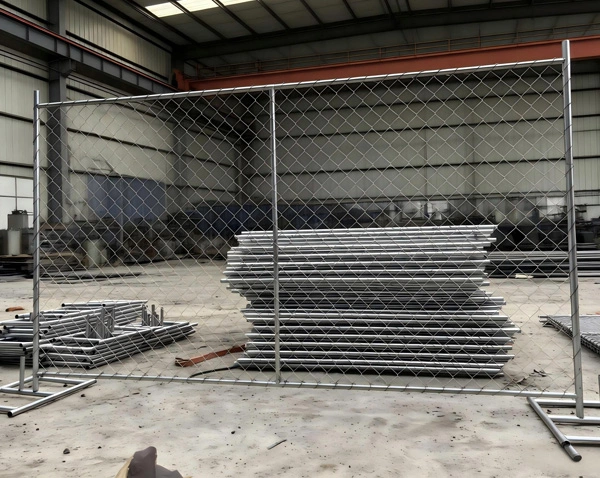
The evolution of industrial chain link mesh products has been marked by a relentless pursuit of improved durability and functionality. This document explores the recent advancements in mesh product design, focusing on how these innovations contribute to enhanced longevity and performance under various conditions. The discussion will cover material selection, manufacturing techniques, and application-specific designs that have transformed the landscape of industrial chain link mesh products.
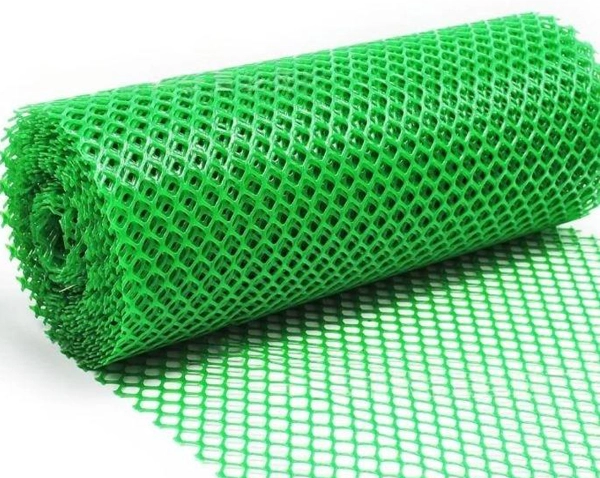
One of the most significant factors influencing the durability of industrial chain link mesh products is the choice of materials. Traditional steel, while strong, is susceptible to corrosion and environmental degradation over time. In response, manufacturers have increasingly turned to advanced alloys and coatings designed to resist corrosion and wear. For instance, the use of stainless steel or galvanized steel not only enhances the structural integrity of the mesh but also extends its lifespan significantly. Additionally, the incorporation of non-metallic materials such as high-strength polymers can offer both weight reduction and increased resistance to chemical and environmental stressors, making them ideal for specific applications where traditional metals may fall short.
Beyond material selection, the method of fabrication plays a critical role in the overall quality and durability of chain link mesh products. Modern manufacturing processes, including automated welding and precision cutting, ensure that each link and junction is formed with the utmost accuracy. These techniques minimize human error and lead to a more uniform product, which is less prone to weak points or failures. Furthermore, the use of computer-aided design (CAD) and simulation software allows engineers to test and optimize the mesh structure before production, ensuring that the final product meets or exceeds industry standards for strength and durability. By integrating these advanced technologies, manufacturers can produce mesh products that are not only stronger but also more consistent from one unit to another, thereby enhancing their reliability and service life.
An important aspect of innovation in the field of industrial chain link mesh products is the development of designs tailored to specific applications. Recognizing that different environments and uses place unique demands on the mesh, designers now create customized solutions that address particular challenges. For example, in coastal areas, where saltwater exposure is a major concern, special coatings and materials are used to protect against accelerated corrosion. Similarly, in high-traffic or high-impact settings, the mesh is engineered to withstand greater forces without deforming or breaking. Such application-specific designs often involve collaborations between material scientists, engineers, and end-users to develop products that not only meet but exceed the expected performance criteria. This collaborative approach ensures that the resulting mesh products are well-suited to their intended purposes, offering maximum durability and efficiency.
In the era of Industry 4.0, the integration of smart technologies into industrial chain link mesh products is becoming increasingly prevalent. Sensors embedded within the mesh can monitor structural integrity, detect signs of wear and tear, and even predict potential failures before they occur. This proactive maintenance approach allows for timely repairs and replacements, thereby extending the useful life of the mesh. Moreover, the data collected by these sensors can be analyzed to identify patterns and trends, enabling continuous improvement in design and manufacturing processes. By leveraging the power of the Internet of Things (IoT), industrial chain link mesh products are not only more durable but also smarter, contributing to more efficient and sustainable operations across various industries.
As global awareness of environmental issues continues to grow, so too does the emphasis on sustainability in the design and production of industrial chain link mesh products. Manufacturers are increasingly adopting eco-friendly practices, such as using recycled materials, reducing waste during production, and implementing energy-efficient manufacturing processes. Additionally, the design of mesh products now takes into account the entire lifecycle, from raw material extraction to end-of-life disposal or recycling. This holistic approach ensures that the environmental impact is minimized at every stage. By prioritizing sustainability, the industry not only contributes to a greener future but also responds to the growing demand for environmentally responsible products from consumers and businesses alike.
In conclusion, the ongoing innovations in the design and manufacturing of industrial chain link mesh products are driving significant improvements in durability and performance. Through the adoption of advanced materials, precise manufacturing techniques, application-specific designs, smart technologies, and sustainable practices, these products are better equipped to meet the diverse and demanding needs of modern industrial applications. As the industry continues to evolve, it is clear that the future of industrial chain link mesh products will be characterized by even greater resilience, efficiency, and environmental responsibility.
Leave a Reply