

 English
 China
China Thailand
 Malaysia
 Vietnam
 Laos
Laos Cambodia
 Pilipinas
 Indonesia
 Russian
 Portuguese
 Arabic
 Japanese
 Spanish
 Italian
 French
 German
News
- Home
- News
- Company News
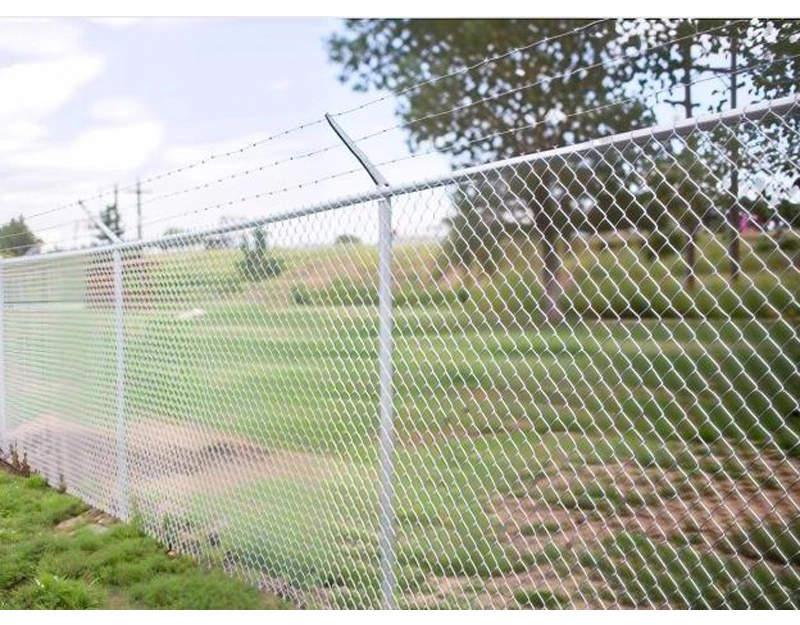
In the realm of industrial site security, the integration of high-quality fencing solutions has become increasingly crucial. This report delves into how high security fence factories are contributing to a significant enhancement in the overall security posture of industrial sites, emphasizing the importance of robust perimeter protection.
The evolution of fencing materials and technologies has played a pivotal role in elevating the security standards of industrial sites. High security fence factories have been at the forefront of this innovation, developing fences that not only provide physical barriers but also incorporate advanced features such as anti-climb designs, tamper-resistant locks, and electronic surveillance systems. These advancements ensure that unauthorized access is significantly reduced, thereby safeguarding valuable assets and personnel.
One of the key materials used by high security fence factories is reinforced steel, which offers exceptional durability and resistance to cutting or bending. Additionally, some factories are now incorporating composite materials that combine the strength of metal with the flexibility of polymers, resulting in fences that are both lightweight and highly secure. The use of these materials not only enhances the structural integrity of the fence but also extends its lifespan, providing long-term value for industrial facilities.
High security fence factories are increasingly focusing on the integration of their products with modern security systems. This includes the incorporation of sensors, cameras, and other monitoring devices directly into the fence structure. Such integrated systems can detect and alert security personnel to any breaches or attempts at intrusion, allowing for a rapid response. Furthermore, these systems can be connected to a central control room, enabling real-time monitoring and management of the entire perimeter.
For example, some high security fence factories offer fences equipped with infrared sensors that can detect movement and trigger alarms. Others provide options for integrating CCTV cameras, which can be strategically placed to cover blind spots and vulnerable areas. The combination of physical barriers and advanced technology creates a multi-layered security system that is far more effective than traditional fencing solutions.
While the primary focus of high security fence factories is on enhancing security, they also take into account economic and environmental factors. Cost-effectiveness is a critical consideration for many industrial sites, and high security fence factories have responded by offering solutions that balance security with affordability. For instance, modular fencing systems allow for easy installation and maintenance, reducing labor costs and minimizing downtime.
Additionally, there is a growing emphasis on sustainability within the industry. High security fence factories are exploring eco-friendly materials and manufacturing processes that reduce the environmental impact of their products. This includes the use of recycled metals and the implementation of energy-efficient production methods. By adopting sustainable practices, these factories not only contribute to a greener future but also align with the corporate social responsibility goals of many industrial clients.
Industrial sites vary greatly in terms of size, layout, and specific security requirements. High security fence factories recognize this diversity and offer a wide range of customization options to meet the unique needs of each facility. Customization can include the choice of materials, the height and design of the fence, and the integration of specific security features. This flexibility ensures that the fencing solution is tailored to the specific vulnerabilities and threats faced by the industrial site.
Moreover, high security fence factories often provide consultation services to help clients identify the most appropriate fencing solution for their needs. This may involve a thorough assessment of the site, including an evaluation of potential entry points, the surrounding environment, and the nature of the assets being protected. By working closely with clients, these factories can develop a comprehensive security plan that maximizes the effectiveness of the fencing system.
Ensuring compliance with local and international security standards is a top priority for high security fence factories. Many industries, such as those in the energy, chemical, and transportation sectors, are subject to stringent regulations regarding perimeter security. High security fence factories adhere to these standards by designing and manufacturing fences that meet or exceed the required specifications. This includes testing the fences for resistance to various types of attacks, such as cutting, climbing, and vehicle ramming.
Furthermore, these factories often collaborate with regulatory bodies and industry associations to stay up-to-date with the latest security guidelines and best practices. This ensures that their products are not only effective but also compliant with the highest standards of safety and security. By maintaining a strong commitment to regulatory compliance, high security fence factories build trust and credibility with their clients, who can be confident that their security needs are being met in a responsible and reliable manner.
In conclusion, the role of high security fence factories in enhancing the security of industrial sites cannot be overstated. Through the development of advanced materials, the integration of modern security systems, and a focus on economic and environmental considerations, these factories are providing robust and flexible solutions that address the complex security challenges faced by industrial facilities. As the demand for secure perimeters continues to grow, the innovations and expertise of high security fence factories will remain essential in protecting critical infrastructure and assets.
Leave a Reply