

 English
 China
China Thailand
 Malaysia
 Vietnam
 Laos
Laos Cambodia
 Pilipinas
 Indonesia
 Russian
 Portuguese
 Arabic
 Japanese
 Spanish
 Italian
 French
 German
News
- Home
- News
- Company News
Enhancing road safety is a critical aspect of modern transportation infrastructure, and one that requires the integration of multiple strategies to be effective. Among these, the use of delineator posts has emerged as a particularly impactful method for improving visibility and guiding drivers, especially in challenging conditions. This report explores how the strategic deployment of delineator posts, complemented by other safety measures such as anti-clim fences, can significantly increase road safety.
Delineator posts are designed to enhance driver awareness of the road's alignment, especially during low-visibility conditions such as fog, heavy rain, or at night. These posts are typically made with reflective materials, ensuring they remain visible from a distance. By clearly marking the edges of the road or the centerline, delineator posts help drivers maintain their lane position, reducing the risk of accidents caused by unintended lane departures. In addition, their consistent placement along the road provides a continuous visual cue, which is crucial for maintaining safe driving behavior in complex road environments.
The effectiveness of delineator posts largely depends on their strategic placement. Ideally, they should be installed at regular intervals, with closer spacing in areas where visibility is naturally lower, such as curves, hills, or densely wooded sections. Additionally, placing them at key decision points, such as intersections and exits, can further aid in guiding drivers and preventing confusion. The height and reflectivity of the posts must also be considered; they need to be high enough to be seen over snow banks or other obstacles, yet not so high that they become a hazard themselves. Proper maintenance, including regular cleaning and replacement of damaged posts, is essential to ensure their continued efficacy.
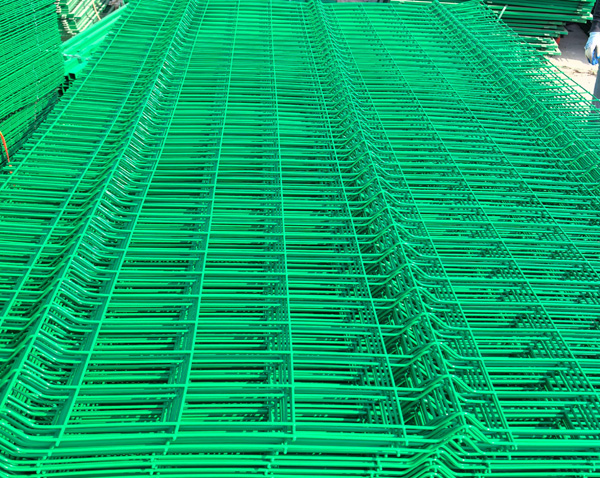
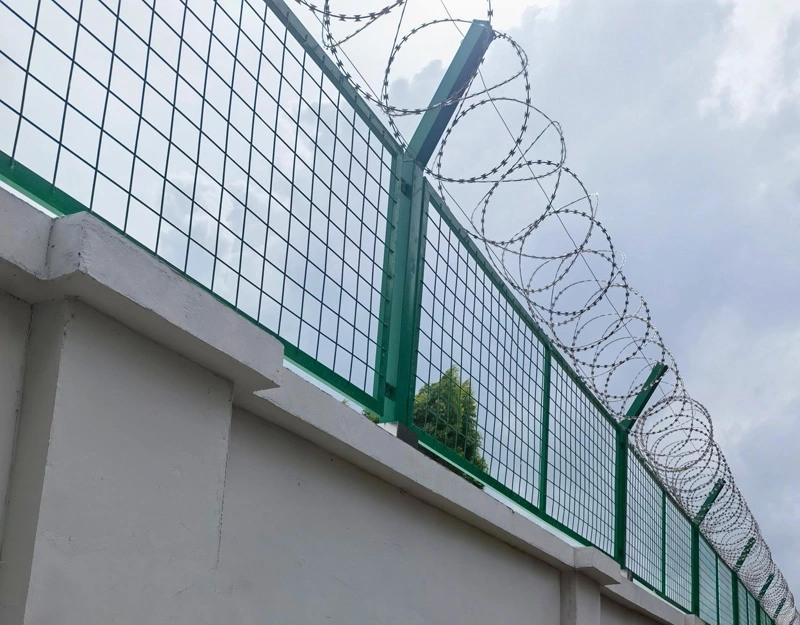
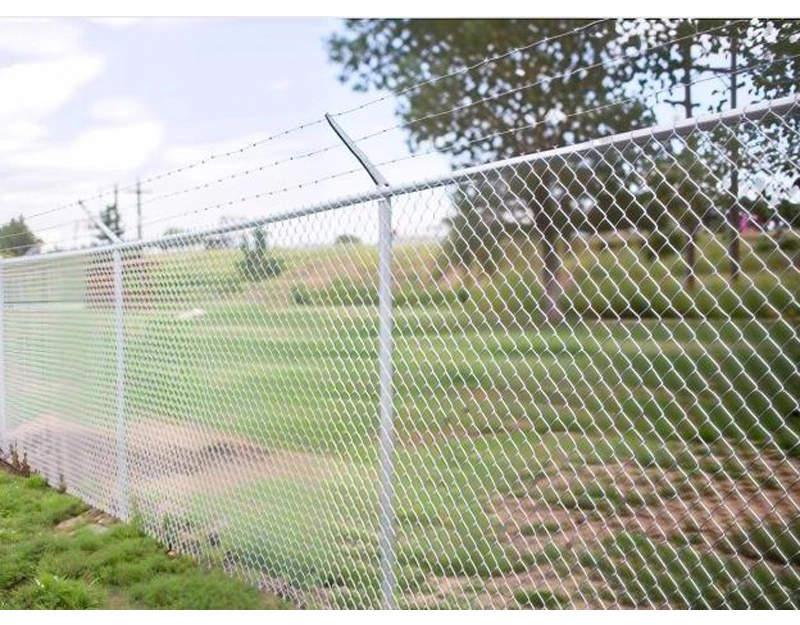
While delineator posts play a vital role in enhancing visibility and guiding traffic, they are most effective when integrated with other safety measures. One such measure is the installation of anti-clim fences. These fences serve as a physical barrier, preventing vehicles from leaving the roadway and potentially entering dangerous areas, such as steep embankments or oncoming traffic lanes. The combination of delineator posts and anti-clim fences creates a multi-layered safety system. The posts provide visual guidance, while the fences offer a physical deterrent, significantly reducing the likelihood of severe accidents. Furthermore, the presence of anti-clim fences can also deter unauthorized access to the road, contributing to overall security and safety.
Different road environments present unique challenges, and the use of delineator posts and anti-clim fences must be adapted accordingly. For example, in urban settings, where space is limited and there is a higher density of pedestrians and cyclists, the design and placement of these safety features need to be carefully planned to avoid creating new hazards. In contrast, rural roads, which often have higher speeds and less lighting, may require more frequent and highly visible delineator posts, along with robust anti-clim fencing to prevent vehicles from leaving the road. Understanding the specific needs and characteristics of each road environment is crucial for implementing effective safety measures.
In conclusion, the effective use of delineator posts, combined with the strategic deployment of anti-clim fences, represents a comprehensive approach to enhancing road safety. By improving visibility, providing clear guidance, and creating physical barriers, these measures can significantly reduce the risk of accidents and save lives. However, it is important to recognize that no single solution can address all road safety issues. A holistic approach, involving the integration of multiple safety measures, ongoing maintenance, and continuous evaluation, is necessary to achieve the highest levels of road safety. As technology and best practices continue to evolve, the adaptation and refinement of these measures will be key to maintaining and improving road safety in the future.

Leave a Reply