

 English
 China
China Thailand
 Malaysia
 Vietnam
 Laos
Laos Cambodia
 Pilipinas
 Indonesia
 Russian
 Portuguese
 Arabic
 Japanese
 Spanish
 Italian
 French
 German
News
- Home
- News
- Company News
Installing a razor mesh fence is an effective way to enhance the security of your property, but it requires careful planning and execution to ensure safety and efficiency. This technical guide aims to provide comprehensive instructions on how to install a razor mesh fence while adhering to safety standards and best practices. We will cover essential preparation steps, installation techniques, maintenance tips, and highlight the importance of using personal protective equipment (PPE) throughout the process. By following these guidelines, you can successfully install a razor mesh fence that not only deters intruders but also complies with all relevant regulations.
Before embarking on the installation of a razor mesh fence, it's crucial to assess the specific security requirements of your property. Consider factors such as the level of risk, the surrounding environment, and any local laws or ordinances that may impact the installation. A thorough assessment helps in determining the appropriate type of razor mesh fence and its placement, ensuring that it effectively addresses your security concerns without unnecessary overreach.
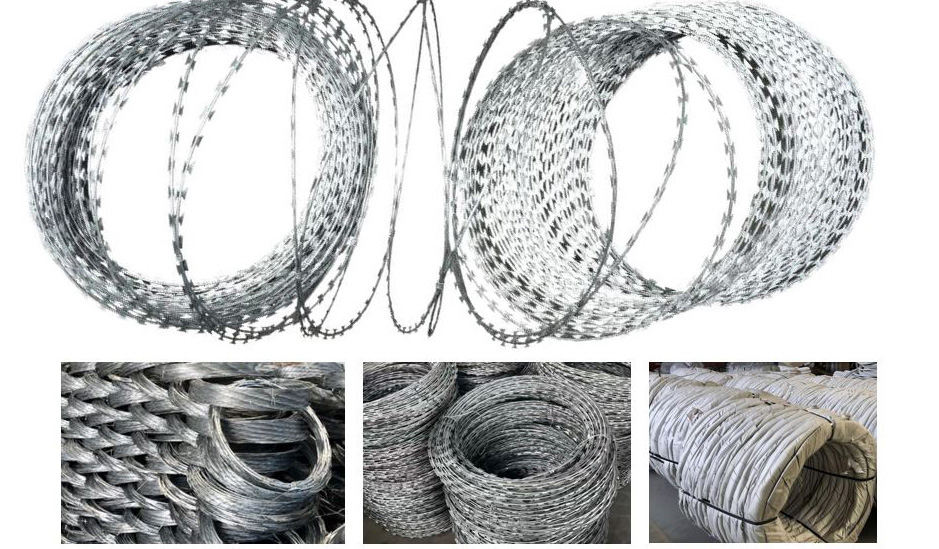
Selecting the right razor mesh fence involves considering several key factors, including the material, design, and size. High-quality materials like galvanized steel or stainless steel are preferred due to their durability and resistance to corrosion. The design should be chosen based on the level of security needed, with options ranging from standard concertina wire to more advanced configurations. Additionally, the height and length of the fence must be determined to ensure it provides adequate coverage and meets your specific security needs.
The use of PPE is non-negotiable when installing a razor mesh fence. Essential PPE includes thick gloves, long-sleeved shirts, long pants, safety glasses, and sturdy boots. These items protect against cuts, abrasions, and other injuries that could occur during the handling and installation of the razor mesh. It is also advisable to have first aid kits readily available in case of minor injuries.
Handling and transporting razor mesh fence materials require special attention to prevent accidents. Always use proper lifting techniques to avoid strain or injury. When moving the materials, ensure they are securely fastened to prevent them from shifting or falling. Additionally, clear the installation area of any obstacles or debris to create a safe working environment. Proper storage of materials before and after installation is also critical to prevent unauthorized access or damage.
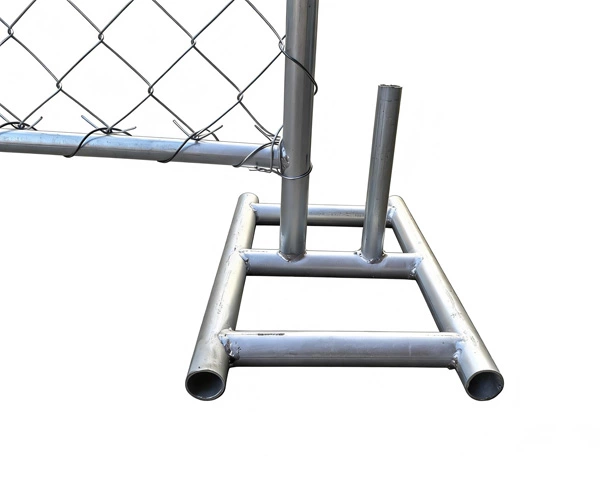
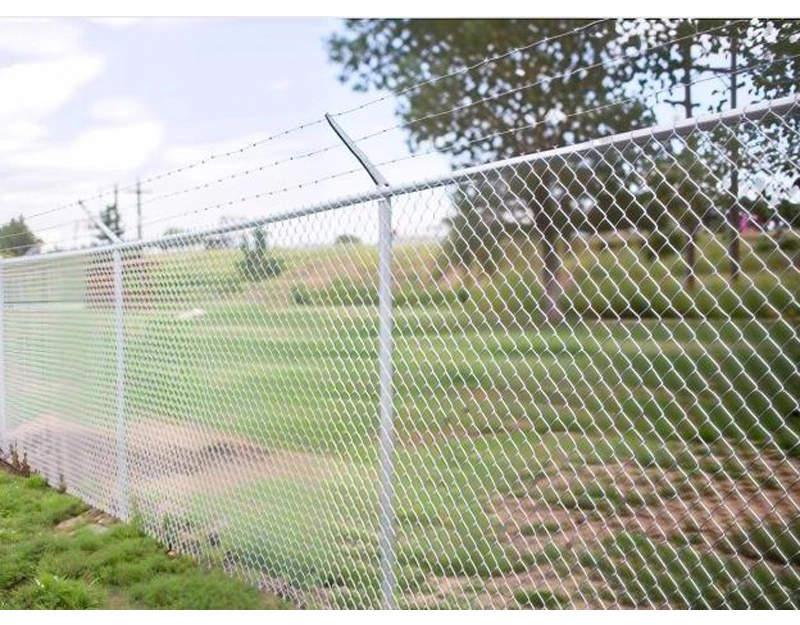
The first step in the installation process is to prepare the site. Mark the boundary where the fence will be installed and ensure the ground is level and free of obstructions. Next, set up the fencing posts at regular intervals, typically 6 to 8 feet apart. Use a post hole digger to create holes for the posts, and secure them with concrete or a suitable anchoring system. Ensure the posts are plumb and properly aligned to provide a stable foundation for the razor mesh fence.
Once the posts are in place, it's time to attach the razor mesh fence. Start by unrolling the mesh and securing one end to the first post using appropriate fasteners, such as clips or ties. Continue unrolling and attaching the mesh to each subsequent post, ensuring it is taut and evenly spaced. Pay close attention to the tension of the mesh to avoid sagging, which can compromise the fence's effectiveness. Regularly check the alignment and make adjustments as necessary to maintain a straight and secure fence line.
To ensure the longevity and effectiveness of your razor mesh fence, regular inspections are essential. Conduct visual checks every few months to identify any signs of wear, damage, or corrosion. Pay particular attention to the fastenings, posts, and the mesh itself. Any issues should be addressed promptly to prevent further deterioration. Minor repairs, such as tightening loose fastenings or replacing damaged sections, can often be done with basic tools and materials.
Maintaining the cleanliness of your razor mesh fence is crucial for its long-term performance. Over time, the fence can accumulate dirt, debris, and other contaminants that can affect its appearance and functionality. Use a soft brush or a low-pressure water spray to clean the mesh regularly. For more stubborn dirt, a mild detergent solution can be used, followed by a thorough rinse with water. Applying a protective coating, such as a rust inhibitor, can also help preserve the fence and extend its lifespan.

Leave a Reply