

 English
 China
China Thailand
 Malaysia
 Vietnam
 Laos
Laos Cambodia
 Pilipinas
 Indonesia
 Russian
 Portuguese
 Arabic
 Japanese
 Spanish
 Italian
 French
 German
News
- Home
- News
- Company News
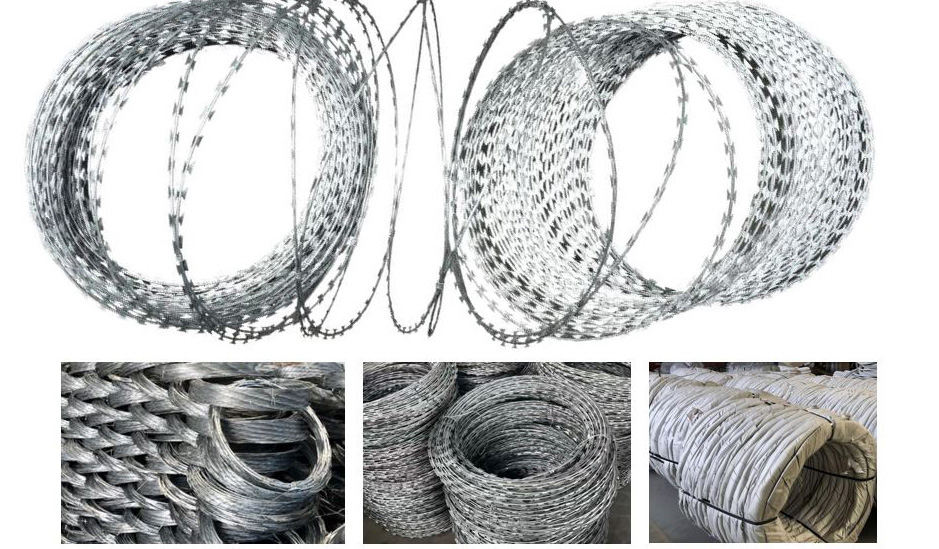
Razor mesh fence, also known as concertina wire or Razor wire, is a security measure designed to provide robust protection against intrusion. This type of fencing is widely used in military, industrial, and residential settings due to its high level of deterrence and durability. The materials used in modern razor mesh fences have evolved over the years, incorporating advanced technologies and materials that enhance their performance and longevity. This report delves into the durability of contemporary razor mesh fence materials, examining the factors that contribute to their strength and resilience, and how they compare with traditional options.
The concept of using barbed wire for security purposes dates back to the 19th century. However, it was not until the 20th century that razor wire, a more formidable deterrent, was introduced. Initially, these materials were made from basic metals, which, while effective, were prone to corrosion and wear. Over time, advancements in metallurgy and manufacturing techniques have led to the development of more durable and resistant materials.
Today, razor mesh fence materials are engineered with a focus on enhancing both their physical and chemical properties. For instance, the use of galvanized steel, stainless steel, and even composite materials has become common. These materials offer superior resistance to environmental factors such as rust, UV radiation, and extreme temperatures. Additionally, innovations in coating technologies, such as powder coating and PVC coatings, further enhance the lifespan and aesthetic appeal of razor mesh fences.
The durability of a razor mesh fence is heavily dependent on the quality and composition of the materials used. High-grade stainless steel, for example, provides excellent resistance to corrosion and can withstand harsh weather conditions. Similarly, galvanized steel, which is coated with a layer of zinc, offers a protective barrier against rust and other forms of degradation. Ensuring that the base material is of high quality is crucial for maintaining the structural integrity of the fence over time.
Environmental conditions play a significant role in the durability of razor mesh fences. Exposure to saltwater, high humidity, and frequent temperature fluctuations can accelerate the deterioration of the materials. Regular maintenance, such as cleaning and re-coating, is essential to mitigate the effects of these environmental stressors. Proper installation and adherence to manufacturer guidelines also contribute to the overall longevity of the fence.
Galvanized steel and stainless steel are two of the most commonly used materials in razor mesh fences. Galvanized steel, while cost-effective, may require more frequent maintenance to prevent corrosion. On the other hand, stainless steel, though more expensive, offers superior resistance to corrosion and requires less maintenance. The choice between these materials often depends on the specific environmental conditions and budget constraints of the project.
Composite materials, such as those made from a combination of metal and plastic, offer a unique blend of strength and flexibility. These materials are lightweight and can be designed to resist a wide range of environmental factors. Additionally, advanced coatings, such as epoxy and polyurethane, provide an extra layer of protection against corrosion and UV damage. The use of these materials and coatings can significantly extend the life of the razor mesh fence.
Ongoing research in material science is leading to the development of new alloys and composites that offer enhanced durability and performance. For example, the use of nanotechnology in creating self-healing materials could revolutionize the way razor mesh fences are maintained. These materials can repair minor damage and prevent the spread of corrosion, thereby extending the lifespan of the fence.
The integration of smart technologies, such as sensors and monitoring systems, is another trend in the evolution of razor mesh fences. These technologies can detect intrusions, monitor the condition of the fence, and alert authorities in real-time. By combining physical security with advanced surveillance, razor mesh fences can provide a more comprehensive and effective security solution. This integration not only enhances the functionality of the fence but also contributes to its overall durability by enabling proactive maintenance and rapid response to potential issues.

Leave a Reply