

 English
 China
China Thailand
 Malaysia
 Vietnam
 Laos
Laos Cambodia
 Pilipinas
 Indonesia
 Russian
 Portuguese
 Arabic
 Japanese
 Spanish
 Italian
 French
 German
News
- Home
- News
- Company News
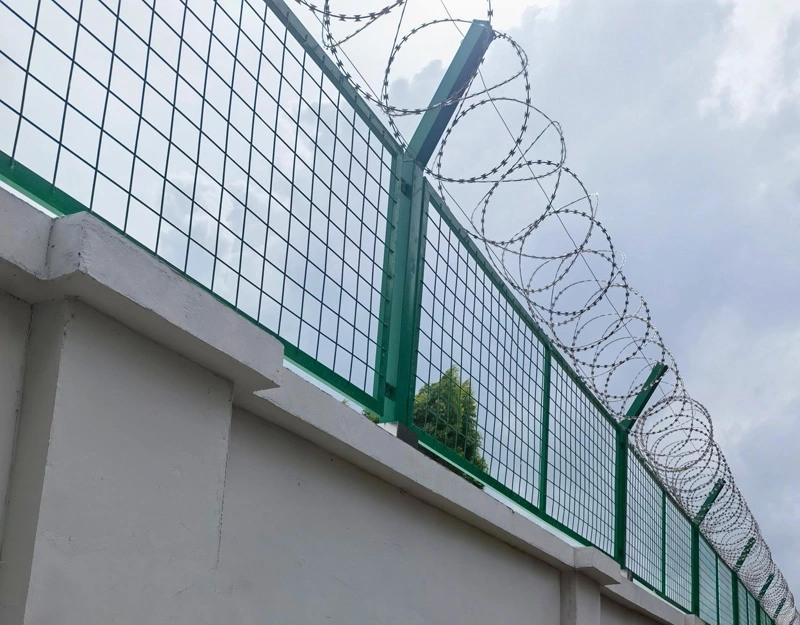
When it comes to securing your property, choosing the right fence is a critical decision. Among the many options available, the 358 fence, also known as prison mesh or anti-climb wire mesh fence, stands out for its robust security features and durability. This type of fencing is particularly popular in high-security applications such as prisons, military sites, and industrial facilities. However, it can also be an excellent choice for residential and commercial properties that require a higher level of security. In this technical report, we will explore how to choose the right 358 fence for your property by examining the key factors to consider, including material quality, installation requirements, and cost-effectiveness. By the end of this guide, you will have a clear understanding of what makes a 358 fence the ideal choice for enhancing the security of your property.
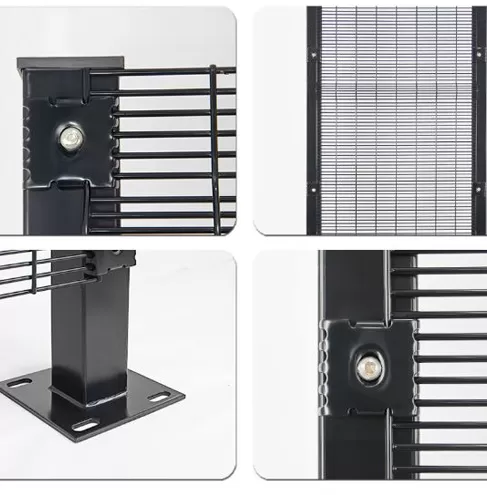
The 358 fence gets its name from the dimensions of the wire mesh: 3" x 0.5" (76.2mm x 12.7mm) with a wire diameter of 4mm. This specific configuration provides a very tight and secure mesh that is difficult to climb or cut through. The wires are typically made from galvanized steel, which offers excellent resistance to corrosion and rust, ensuring a long service life even in harsh environmental conditions. Additionally, some manufacturers offer PVC-coated or powder-coated options, which not only enhance the aesthetic appeal but also provide an extra layer of protection against weathering.
One of the primary advantages of the 358 fence is its anti-climb design. The small openings in the mesh make it extremely difficult for intruders to gain a foothold, thereby significantly reducing the risk of unauthorized access. Furthermore, the thick gauge of the wire used in the construction of the 358 fence makes it highly resistant to cutting tools, adding another layer of security. These features make the 358 fence an ideal choice for high-risk areas where security is paramount.
The quality of the materials used in the construction of a 358 fence is crucial for ensuring its longevity and effectiveness. High-quality galvanized steel is the most common material, offering excellent strength and corrosion resistance. However, it is essential to verify the grade of the steel and the thickness of the wire to ensure that the fence meets the required standards. Additionally, consider the coating options, such as PVC or powder coating, which can further enhance the fence's durability and appearance. It is also advisable to check for any certifications or compliance with industry standards, such as ASTM or ISO, to ensure that the fence meets the necessary quality benchmarks.
Proper installation is key to the effectiveness of a 358 fence. The site conditions, such as the terrain and soil type, must be taken into account to determine the appropriate installation method. For example, in areas with soft or unstable ground, concrete footings may be necessary to provide a stable base for the fence posts. Additionally, the height of the fence should be carefully considered based on the security needs of the property. A standard 358 fence is typically 6-8 feet tall, but custom heights can be ordered for specific requirements. It is also important to ensure that the fence is installed in compliance with local building codes and regulations to avoid any legal issues.
While the initial cost of a 358 fence may be higher compared to other types of fencing, it often proves to be a cost-effective solution in the long run. The durability and low maintenance requirements of a 358 fence mean that it will last longer and require fewer repairs over time. This can result in significant savings on maintenance and replacement costs. Additionally, the enhanced security provided by the 358 fence can help prevent potential losses due to theft or vandalism, further justifying the initial investment. It is important to compare the total cost of ownership, including installation, maintenance, and potential savings, to make an informed decision.
One of the key benefits of a 358 fence is its low maintenance requirements. Regular inspections and minor touch-ups, such as tightening loose fasteners or reapplying coatings, are generally sufficient to keep the fence in good condition. However, it is important to follow the manufacturer's recommendations for maintenance to ensure the longevity of the fence. In areas with high exposure to corrosive elements, such as saltwater or industrial pollutants, additional protective measures may be necessary. Regular cleaning and inspection can help identify any potential issues early, allowing for timely repairs and preventing more extensive damage. By adhering to a regular maintenance schedule, you can ensure that your 358 fence continues to provide reliable security for many years.
Leave a Reply