

 English
 China
China Thailand
 Malaysia
 Vietnam
 Laos
Laos Cambodia
 Pilipinas
 Indonesia
 Russian
 Portuguese
 Arabic
 Japanese
 Spanish
 Italian
 French
 German
News
- Home
- News
- Company News
In today’s world, security is a paramount concern for both residential and commercial properties. One of the most effective ways to enhance perimeter security is through the use of anti-climb 3D fences. These advanced fencing solutions are designed to provide superior protection against climbing threats, making them an excellent choice for those looking to secure their premises. This report delves into the various aspects of how 3D fences offer enhanced security, including their design, materials, and practical applications.
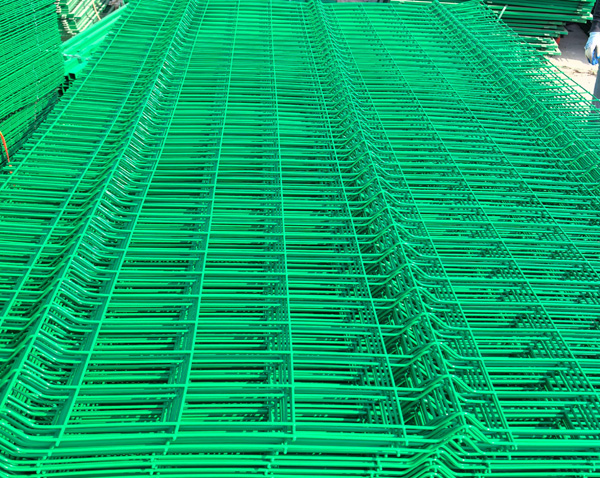
Anti-climb 3D fences are characterized by their three-dimensional structure, which sets them apart from traditional flat fences. The unique geometry includes a series of vertical and horizontal bars that create a V-shaped or W-shaped profile. This design not only makes it difficult for intruders to gain a foothold but also significantly increases the overall strength and stability of the fence. The V-shaped or W-shaped bars act as a natural deterrent, as they make it nearly impossible for individuals to climb over the fence without risking injury.
The materials used in the construction of anti-climb 3D fences are carefully selected to ensure maximum durability and resistance to environmental factors. High-quality galvanized steel and powder-coated finishes are commonly used, providing excellent corrosion resistance and longevity. The robust nature of these materials ensures that the fence can withstand harsh weather conditions, such as heavy rain, strong winds, and extreme temperatures, without compromising its structural integrity.
One of the primary advantages of anti-climb 3D fences is their ability to act as a formidable physical barrier. The three-dimensional design creates a complex and challenging surface that is difficult to scale. Intruders attempting to climb the fence will find it extremely difficult to maintain balance and grip, thereby deterring unauthorized entry. Additionally, the sharp edges and angles of the 3D bars can cause discomfort and potential injury, further discouraging attempts to breach the fence.
Anti-climb 3D fences can be seamlessly integrated with other security systems to create a multi-layered defense. For instance, they can be equipped with motion sensors, CCTV cameras, and alarm systems to enhance overall security. When an intruder attempts to climb the fence, the motion sensors and cameras can detect the movement and trigger an immediate response, alerting security personnel and law enforcement. This integration ensures that any attempt to breach the perimeter is quickly identified and addressed, providing comprehensive protection.
While the initial cost of installing anti-climb 3D fences may be higher compared to traditional fencing options, the long-term benefits and cost-effectiveness make them a worthwhile investment. The durability and low maintenance requirements of 3D fences mean that they require fewer repairs and replacements over time, resulting in lower ongoing costs. Additionally, the enhanced security provided by 3D fences can lead to reduced insurance premiums and lower risk of property damage, theft, and vandalism, ultimately providing a positive return on investment.
Anti-climb 3D fences are designed to be low-maintenance, requiring minimal upkeep to remain in optimal condition. The high-quality materials and finishes used in their construction ensure that they can withstand the elements and resist corrosion, rust, and wear. Regular inspections and occasional cleaning are typically sufficient to maintain the fence's appearance and functionality. This low-maintenance aspect not only saves time and resources but also extends the lifespan of the fence, ensuring that it continues to provide reliable security for many years.
For homeowners, anti-climb 3D fences offer a highly effective solution for securing their property. The three-dimensional design provides a strong visual deterrent and a physical barrier that can prevent burglars and intruders from gaining access to the home. In residential settings, 3D fences can be customized to match the aesthetic of the property, ensuring that they blend in seamlessly while still providing top-notch security. Case studies have shown that homes equipped with 3D fences experience a significant reduction in break-ins and other security-related incidents.
Anti-climb 3D fences are also widely used in commercial and industrial settings, where security is a critical concern. Warehouses, factories, and other business premises benefit from the enhanced protection provided by 3D fences. These fences can be installed around the perimeter of the property to prevent unauthorized access and protect valuable assets. In addition, 3D fences can be integrated with other security measures, such as access control systems and surveillance cameras, to create a comprehensive security solution. Case studies from various industries demonstrate the effectiveness of 3D fences in deterring and preventing security breaches.
When installing anti-climb 3D fences, it is essential to ensure compliance with local safety and building codes. These regulations often specify the height, materials, and installation requirements for perimeter fencing. 3D fences are designed to meet or exceed these standards, providing a safe and compliant solution for property owners. Additionally, manufacturers of 3D fences often provide detailed guidelines and support to help customers navigate the regulatory landscape and ensure that their fencing installations are fully compliant.
Environmental considerations are increasingly important in the construction and installation of security solutions. Anti-climb 3D fences are designed with sustainability in mind, using materials and manufacturing processes that minimize their environmental impact. Many 3D fences are made from recycled or recyclable materials, reducing waste and promoting a more sustainable approach to security. Furthermore, the long lifespan and low maintenance requirements of 3D fences contribute to their overall environmental friendliness, as they reduce the need for frequent replacements and resource-intensive maintenance activities.

Leave a Reply